seanbessorealty@gmail.com
    (503) 353-6673

Sean Besso RealtySean Besso Realty

Oregon Real Estate Lives Here

  • About
    • Sean Besso
    • Online Reviews
    • Leave Feedback
  • Buyers
  • Sellers
  • Communities
    • Beaverton
    • Downtown & the Pearl District
    • Happy Valley & Clackamas
    • NE Portland
    • North Portland
    • NW Portland
    • Oregon City
    • SE Portland
    • SW Portland
    • West Linn
  • Blog

Portland Living: Summer 2026 Real Estate Outlook & Late Spring Gardening Tips 🌿🏡

Image

There’s something special about springtime in Portland. The days stretch a little longer, gardens come alive, and the real estate market begins to hum with renewed energy. Whether you’re preparing to list your home, searching for your next one, or simply enjoying where you are, this season is full of opportunity.

Let’s take a closer look at what’s ahead for the Portland housing market this summer—and how a little strategic gardening can boost both your enjoyment and your home’s value.


🌞 Portland Real Estate Market: What to Expect in Summer 2026

Image

The Portland market in 2026 is shaping up to be one of the most balanced we’ve seen in recent years—and that’s a good thing.

A More Balanced Market Is Here to Stay

After several years of intense competition, rising interest rates helped cool the market, creating a healthier balance between buyers and sellers. As we move into summer 2026:

  • Inventory is gradually improving, giving buyers more options
  • Sellers are still benefiting from relatively strong home values
  • Price growth is expected to remain moderate rather than explosive

This shift means fewer bidding wars—but also more thoughtful, strategic transactions.

Buyers Are Regaining Confidence

Summer is traditionally Portland’s busiest season, and 2026 should be no exception. With stabilizing mortgage rates and more inventory:

  • Buyers are re-entering the market with greater confidence
  • First-time buyers are finding more accessible opportunities
  • Move-up buyers are taking advantage of improved selection

The pace will likely pick up as we head into June and July, especially for well-presented homes.

Pricing Strategy Matters More Than Ever

In today’s market, success isn’t about overpricing and hoping for the best. Instead:

  • Homes priced correctly are still selling quickly
  • Overpriced listings tend to linger and require reductions
  • Presentation—including curb appeal—plays a major role

In other words, preparation and strategy are key to standing out.

Neighborhood Trends to Watch

Different parts of Portland are moving at slightly different speeds:

  • Close-in neighborhoods continue to attract strong demand due to access to amenities
  • Suburban areas remain popular for space and lifestyle flexibility
  • Condos and townhomes are gaining attention for affordability

Overall, summer 2026 is expected to bring steady activity, modest appreciation, and solid opportunities for both buyers and sellers.

Image

🌱 Late Spring Gardening Tips for Portland Homes

Image

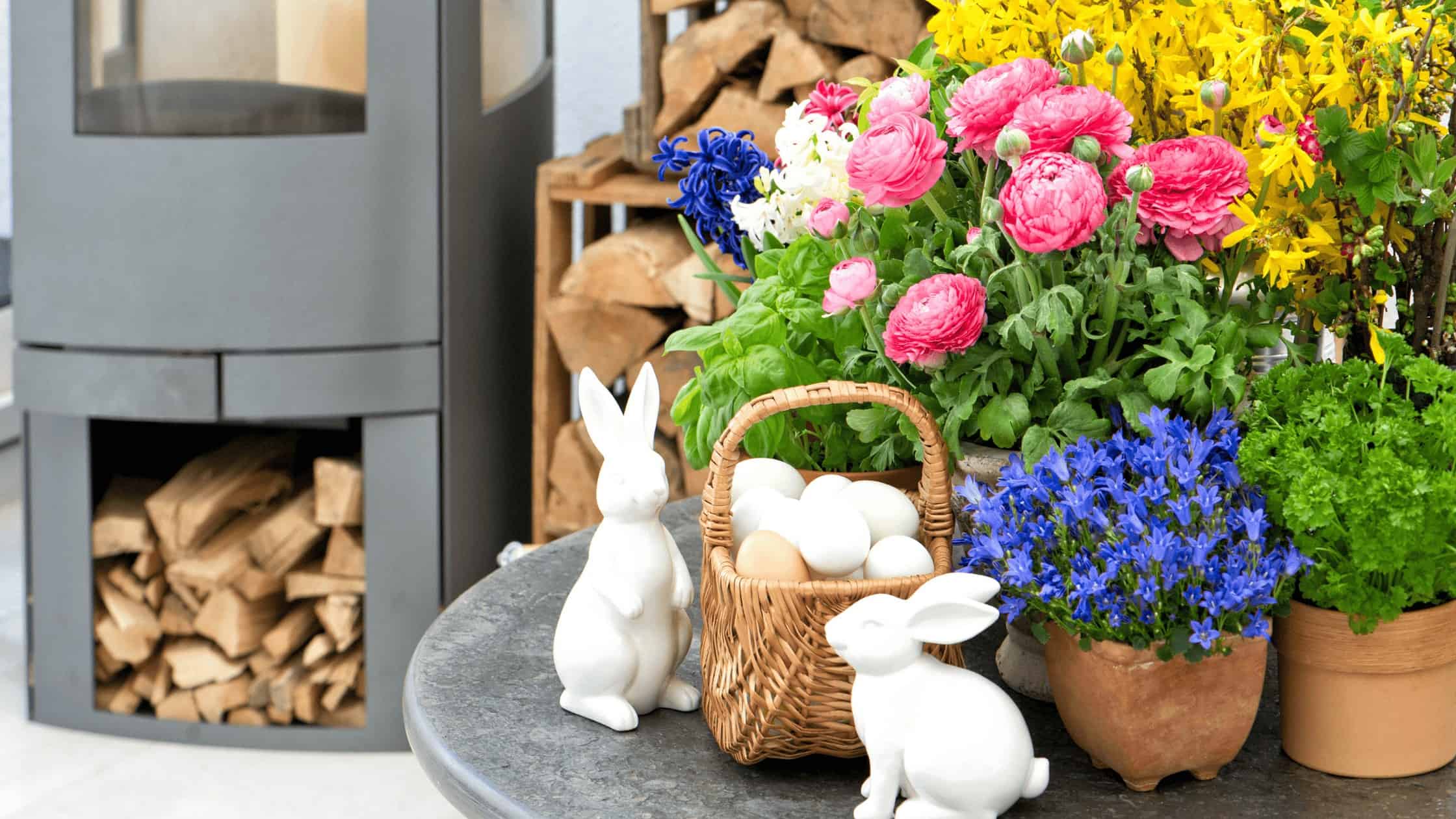
In Portland, gardening isn’t just a hobby—it’s part of the culture. And if you’re thinking about selling, it’s also one of the easiest ways to enhance curb appeal.

Here’s how to make the most of your late spring garden in the Pacific Northwest climate.


🌼 1. Choose Plants That Thrive Locally

Portland’s mild, wet winters and warm, dry summers create ideal conditions for a wide range of plants. Some excellent local choices include:

  • Hydrangeas, rhododendrons, and ferns, which thrive in the region’s moisture-rich climate
  • Native plants like Nootka rose and Western columbine, which attract pollinators and require less maintenance
  • Perennials such as hostas, astilbes, and daylilies that return year after year

👉 Native and climate-adapted plants not only look great—they’re also easier to maintain and environmentally friendly.


🥕 2. Time Your Planting Carefully

Timing is everything in Portland gardening.

  • The last frost typically falls around mid-to-late May, so tender plants should wait until then
  • Early spring crops include peas, carrots, spinach, and broccoli
  • Late spring is perfect for planting beans, cucumbers, squash, and basil once temperatures warm

This staggered approach helps ensure a productive garden all season long.


🌿 3. Refresh and Prepare Your Soil

After Portland’s rainy winter, your soil likely needs a little attention.

  • Add mulch to retain moisture and improve appearance
  • Pull weeds while the soil is still soft and workable
  • Consider a simple soil test to check for acidity or compaction issues

Healthy soil = healthier plants and a more vibrant yard.


🪴 4. Embrace Outdoor Living Spaces

One of the biggest trends in both gardening and real estate? Blending indoor and outdoor living.

  • Stage patios and decks with potted plants like lavender or rosemary
  • Keep spaces clean, uncluttered, and inviting
  • Add simple seating to create a “lifestyle moment”

Well-designed outdoor spaces can make a powerful impression on buyers—and make your home more enjoyable in the meantime.


🌎 5. Garden Smarter for a Changing Climate

Oregon gardeners are increasingly adapting to warmer, drier summers.

  • Choose low-water or drought-tolerant plants when possible
  • Group plants with similar water needs
  • Water efficiently and mulch to conserve moisture

Sustainable landscaping isn’t just good for the environment—it’s a major selling point for today’s buyers.


🏡 Why Gardening Matters in Real Estate

Here’s the inside scoop: landscaping doesn’t always dramatically increase appraised value—but it absolutely impacts perceived value.

A well-maintained yard can:

  • Create a strong first impression
  • Help buyers emotionally connect with a home
  • Make listing photos stand out online

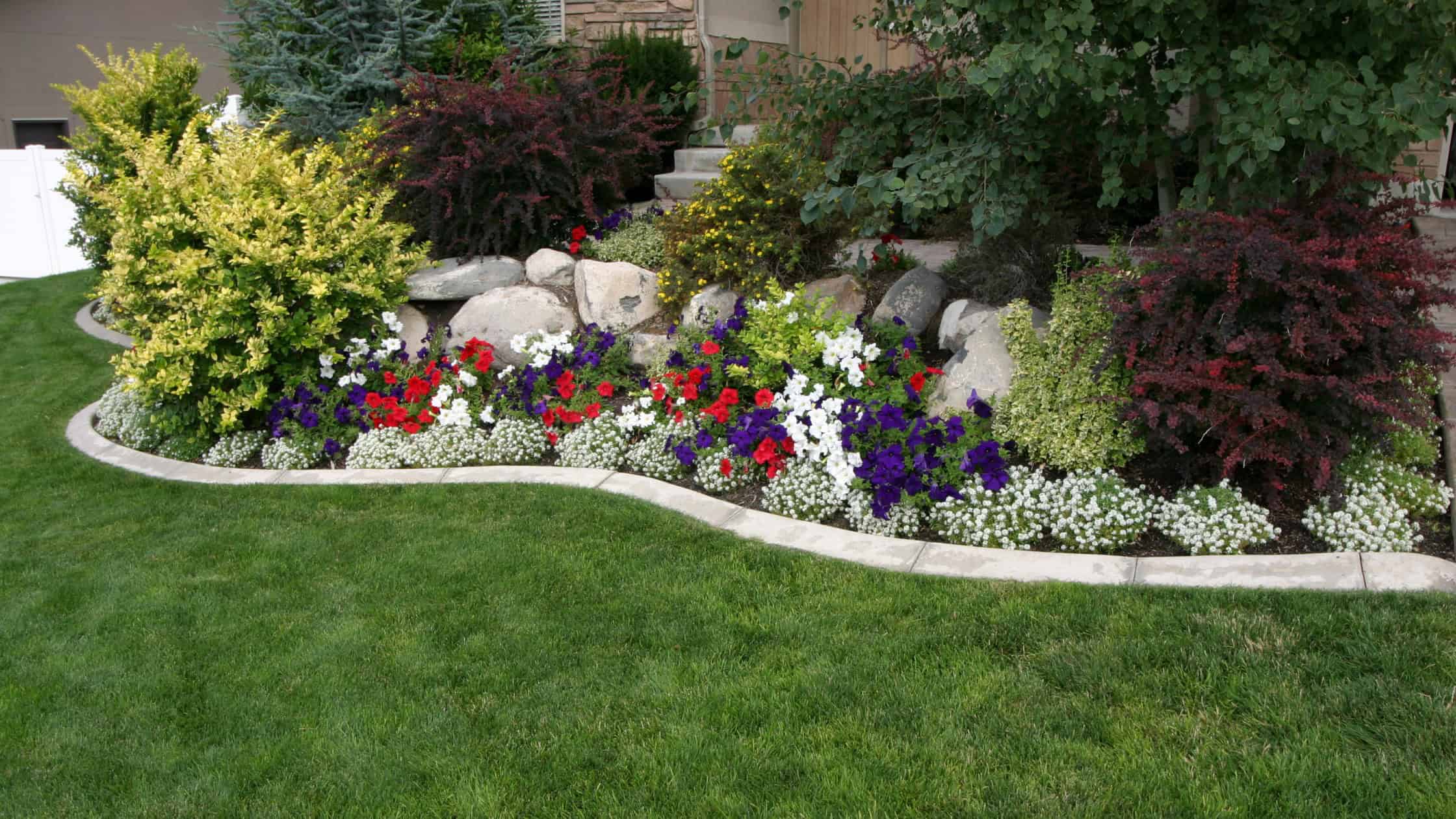
Even simple improvements—fresh mulch, trimmed shrubs, and a few blooming plants—can go a long way.


Image

🌸 Final Thoughts: A Season of Opportunity

Summer 2026 in Portland is shaping up to be a season of balance, beauty, and smart decisions.

  • The real estate market offers stability and opportunity
  • Buyers and sellers alike can move forward with confidence
  • A thoughtfully maintained garden can elevate both lifestyle and value

Whether you’re preparing to sell, searching for your next home, or simply enjoying your space, now is the perfect time to lean into what makes Portland living so special.

And if you ever want guidance on how to position your home in today’s market—or which improvements will make the biggest impact—I’m always here to help.

Here’s to a vibrant summer ahead 🌿

Posted in: Buying A Home, Getting To Know You, Portland, Real Estate Tagged: Gardening, Home Buying, Home Tips, Homeownership Tips, Market Trends, Portland, Real Estate, Real Estate Market Trends, Sean Besso, Spring

Spring Home Maintenance Checklist

As winter weather fades, it’s the perfect time to assess your home for any seasonal damage and get ready for the warmer months ahead. With longer days and milder temperatures, spring offers an ideal opportunity to step outside and take on larger home and yard projects.

1. Wash Windows

    • Give your home a fresh, polished feel by cleaning grime from your windows inside and out. Sparkling glass brightens your indoor spaces and enhances curb appeal on the exterior. You can tackle exterior windows yourself with a hose attachment, or consider hiring a professional for a thorough, hassle-free clean.

2. Check Screen Doors & Windows

    • Window screens help keep fresh air flowing while preventing insects from getting inside—but they can only do their job if they’re in good condition. Before installing them for the warmer months, take a few minutes to inspect each screen carefully and repair any holes or tears, even minor ones. Screen repair kits are widely available at most hardware and home improvement stores, making this an easy and worthwhile task.

3. Inspect Driveways and Paths

    • Freezing and thawing cycles can take a toll on concrete, asphalt, and other hardscape surfaces. Take a walk around your property to check for any damage to walkways, paths, and driveways, and plan for repairs as needed. While asphalt can often be patched, more significant damage to concrete may require full replacement.

4. Clean Light Fixtures & Lamps

    • Ceiling-mounted fixtures, fans, and table lamps can collect a surprising amount of dust over time, which can dull their appearance and reduce the amount of light they give off. Refresh your space by gently cleaning these surfaces with a soft microfiber cloth or duster to restore their shine and brightness.

5. Clean Gutters & Downspouts

    • Once the last frost has passed, it’s a good idea to have your gutters and downspouts cleaned and inspected for any needed repairs. Clogged systems can lead to rotting wood trim along the eaves, which may create openings for pests to enter your attic. Taking care of this maintenance early in the season can also help protect your home from spring rains. Clean, properly functioning gutters and downspouts ensure water flows freely and is directed away from your home. When downspouts are correctly installed, they help prevent water from pooling around the foundation, reducing the risk of damage over time.

6. Clean Underneath Area Rugs

    • Move furniture as needed, roll up your rug and pad, and take a moment to vacuum underneath. It may feel like a bit of extra effort, but once you see what’s been hiding beneath, you may find it well worth adding to your regular cleaning routine.

7. Wipe Wall Scuffs & Dings

    • Using a damp, soft cloth and a bit of dish soap, or a product (like Magic Eraser), swipe off scuff marks. Fill any dings in the wall and touch up with paint.

8. Check Sprinkler & Irrigation Systems

    • Taking time in the spring to check your sprinkler or irrigation system can help conserve water and keep your plants healthy. Professionals recommends running the system through each zone manually while walking your property to ensure everything is working properly. Look for any broken or damaged sprinkler heads, and make adjustments as needed—especially if water is spraying your home, such as windows, which can lead to moisture issues. It’s also important to redirect any heads that are watering streets, sidewalks, or porches to prevent unnecessary waste. If you’re unsure how to properly maintain your system, consider contacting a professional. A little attention now can help lower your water bill while protecting one of our most valuable natural resources.

I hope you find this checklist helpful! Until next month!

Resources: Houzz.com

Posted in: Buying A Home, Home Improvement News, Home Maintenance, Portland, Real Estate Tagged: Checklist, Home Maintenance, Home Maintenance Checklist, Home Tips, Portland, Real Estate, Sean Besso, Spring, Spring Home Maintenance Checklist

Kitchen Projects That Deliver BIG Results

Right in that happy middle ground between simply updating your cabinet hardware and doing a full gut renovation, midsize kitchen remodels focus on the areas that matter most. They solve your biggest frustrations — or take advantage of exciting possibilities — to create a big visual and functional impact, without the stress or price tag of starting from scratch. Here are 10 ideas worth exploring! Use this list help you determine which updates will have the biggest impact in your kitchen and bring them to life.

Add an Appliance Garage

    • Small appliances like toasters, coffee makers and blenders can quickly take over your countertops. Tucking them away in a cabinet helps with clutter, but it’s not very convenient. Enter the appliance garage! A cabinetmaker can modify your existing cabinets to create a dedicated spot with pocket, tambour or flip-up doors — or add a shallow cabinet right on the countertop that blends in with your current finish. Add an outlet inside, and you’ve got a neat, out-of-sight home for your appliances that keeps your kitchen looking streamlined while everything stays within easy reach.

Upgrade Your Appliances

    • Whether you go bold with standout appliances or keep things sleek with panel-ready models, swapping out dated refrigerators, ranges, hoods and dishwashers gives your kitchen an instant refresh. Today’s appliances are also more energy-efficient and packed with smart features, saving money and making everyday cooking easier. Sticking with the same sizes is usually simplest, but a skilled cabinetmaker can often adjust surrounding cabinetry to fit slight differences.

Change the Countertop

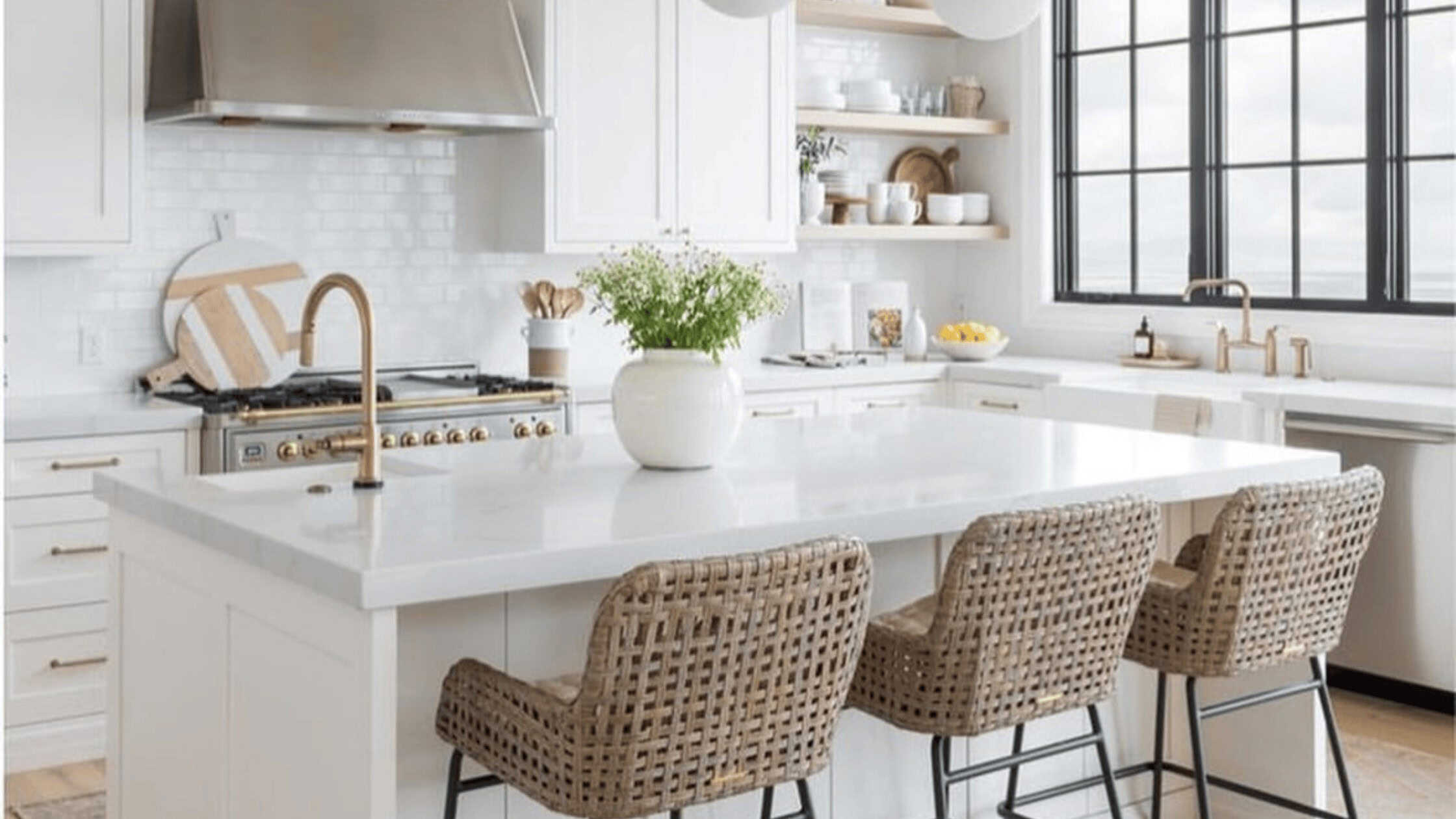
    • Because countertops take up so much visual space — especially on a big island — they often set the tone for the whole kitchen. Swapping out an outdated or worn surface can instantly refresh the room and make a huge impact. Upgrading from laminate or tile to a more durable, easy-care material can boost function too. While it’s an investment (and may affect your backsplash), even changing just the island top to a contrasting, complementary material can give your kitchen a stylish new look.

Replace the Backsplash

    • Swapping out — or adding — a backsplash is a simple upgrade that can totally transform your kitchen without touching the cabinets or countertops. It’s a great chance to play with bold color, fun shapes or eye-catching patterns to give a neutral space some personality. Prefer a calmer vibe? A more subtle tile can let other features shine. If a full redo feels like too much, highlight just one spot — like behind the range — for a standout focal point. Or, if you’re updating your counters too, carry the same material up the wall for a sleek, seamless look.

Give Your Existing Cabinetry a Make-Over

    • If your kitchen layout works and your cabinets are in good shape, a professional paint or stain job can completely refresh the space. Not loving the door style? Refacing is a budget-friendly way to get a whole new look without a full replacement. Pros swap out doors and drawer fronts, veneer the cabinet boxes, and can update hinges and hardware at the same time. It’s also a great moment to boost storage or style — add cabinets to reach the ceiling, or switch a few solid doors to glass or metal mesh for a lighter, display-ready feel. Big impact, far less hassle.

Replace Your Flooring

    • Kitchen floors take a beating, and over time they can look worn, uneven or just outdated. Replacing them is a great way to freshen up the whole space, boost safety and better connect your kitchen to the rest of your home. If your subfloor is in good shape, floating or click-lock options — like laminate or engineered wood — can often go right over the existing floor for an easier install. Want a seamless look with tile or solid wood, especially in an open-plan space? Removing the old flooring may be worth it for that clean, cohesive finish.

Find Prep and Dining Space

    • Adding an island or eat-in spot is a top priority for many homeowners. Even in smaller kitchens, a designer can often squeeze in a narrow prep island with a stool or two, keeping plenty of clearance and avoiding traffic jams — all without changing the room’s footprint.

Build a Beverage Station

    • Dreaming of a stylish bar or coffee station? Even if your older kitchen didn’t come with one, you can often create it from unused space — like that old built-in desk that’s been collecting clutter for years. A remodeling pro can help you turn it into a beverage hub with an outlet, durable countertop and smart storage for glasses and supplies. Want to level it up? Add a sink, mini-fridge, wine chiller or even a built-in espresso machine. Just be sure to check local building codes and work with licensed pros before you start.

Maximize Your Interior Storage

    • If storage is your main frustration, you might not need more cabinets — just smarter organization. Simple add-ons like drawer dividers and pullouts can help, but a customized system designed around your space and cooking style can make a world of difference. From taming deep drawers to conquering that tricky corner cabinet, the right setup keeps everything easy to find and perfectly suited to your needs.

Don’t Forget Your Pet!

    • In a recent survey, more than 1 in 5 renovating pet owners added pet-friendly features to their remodel — and it’s easy to see why! If you’ve got a furry family member, consider a built-in feeding station at the end of an island or cabinet run, even with a handy pot filler if you’d like. Add a pullout or tilt-out bin nearby for food storage, and you’ve got a smart, stylish upgrade that keeps both you and your pet happy.

I hope you all had a wonderful February. Until next month!

Source: houzz.com

Posted in: Buying A Home, Getting To Know You, Home Improvement News, Home Maintenance, Portland, Real Estate Tagged: Home Buying, Home Design, Home Tips, Homeownership Tips, Kitchen Design, Portland, Real Estate, Remodel Tips, Sean Besso

Looking Ahead to 2026! 🌲🏡✨

Looking Ahead to 2026: Portland Real Estate Trends, Fresh Curb Appeal, and a Festive New Year Treat 🌲🏡✨

Hello, Portland friends! As we welcome a brand-new year, I’m feeling optimistic about what 2026 has in store for our local real estate market. Whether you’re planning to sell your home at the start of the year or simply staying informed, a little insight and preparation can make a big difference. Let’s take a friendly look at expected Portland-area market trends, easy curb appeal ideas, and—because celebrations matter—a fun New Year recipe to enjoy with the people you care about.


Portland, Oregon Real Estate Market Trends for 2026

The Portland metro market continues to evolve, and 2026 is shaping up to be a year of steadier, more thoughtful movement.

A More Balanced Market
After several years of ups and downs, many Portland-area neighborhoods are seeing a healthier balance between buyers and sellers. While well-priced homes remain in demand, buyers are taking more time and making informed decisions.

Moderate, Sustainable Price Growth
Home values are expected to grow at a calmer, more sustainable pace in 2026. This stability benefits everyone by encouraging confidence and reducing the stress that often comes with extreme market swings.

Condition and Presentation Matter More Than Ever
Portland buyers are paying close attention to how well a home has been maintained. Move-in-ready properties—or homes that clearly show pride of ownership—tend to stand out and sell more smoothly.

Lifestyle and Location Still Shine
Access to daily conveniences, green spaces, and flexible living areas continues to be important. From walkable neighborhoods to quiet residential streets, buyers are looking for homes that support their everyday lives.


Curb Appeal Tips for Selling at the Start of the Year

If you’re planning to list your home in early 2026, curb appeal is one of the most effective ways to make a strong first impression—rain or shine!

Brighten the Entry
A fresh coat of paint on the front door, clean hardware, or a welcoming seasonal wreath can instantly boost your home’s charm.

Keep It Clean and Clear
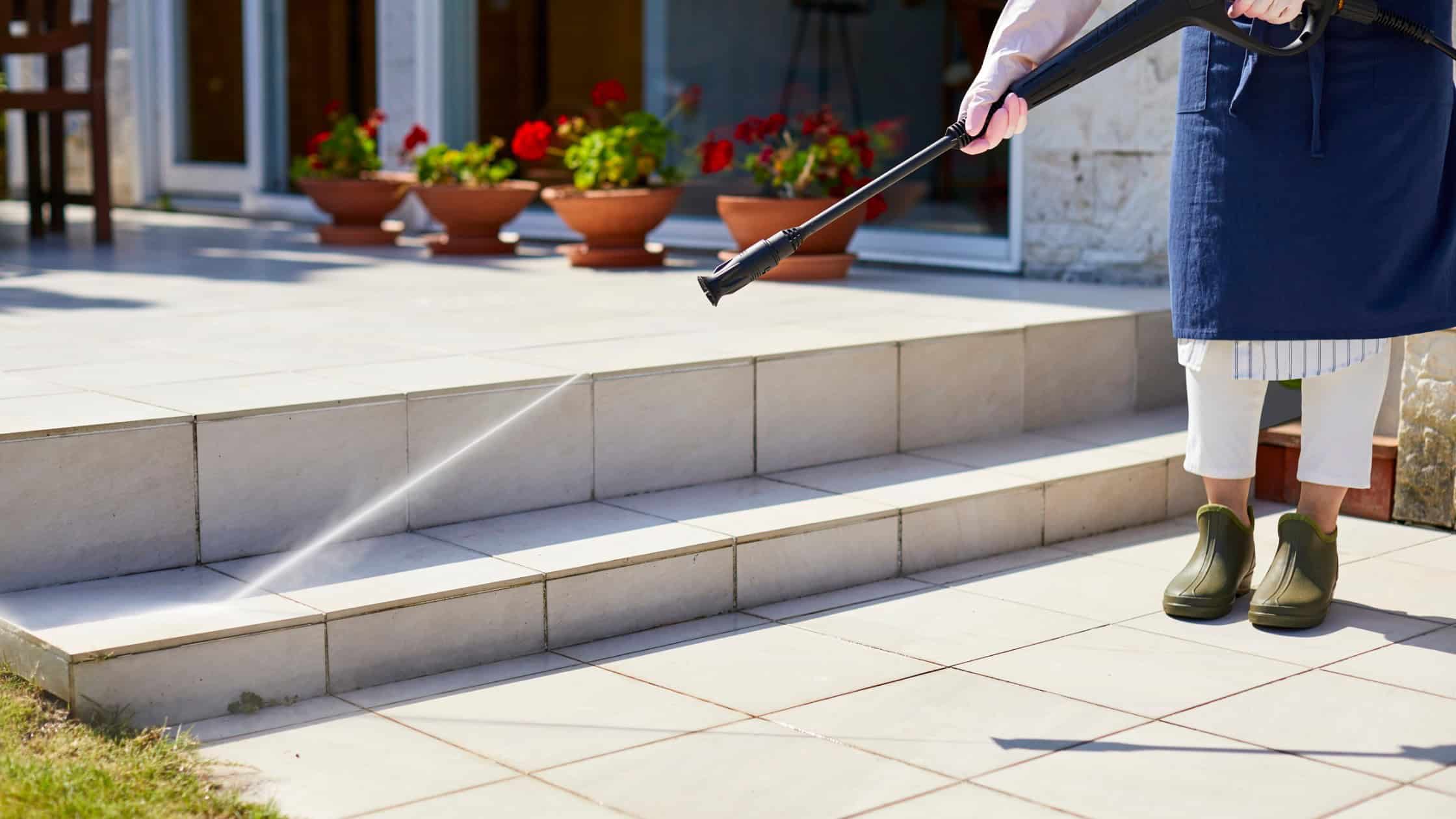
Power-wash sidewalks, driveways, and siding. Trim back plants, clear debris, and make sure walkways are safe and tidy.

Add Simple Greenery
Potted evergreens, winter planters, or neatly maintained shrubs bring life and warmth during Portland’s cooler months.

Warm, Inviting Lighting
Exterior lighting is especially important in winter. Make sure porch lights work and consider soft pathway lighting to create a welcoming glow.

Don’t Forget the Small Details
Updated house numbers, a clean mailbox, and clutter-free entry areas send a clear message: this home has been cared for.


A Fun New Year Recipe: Sparkling Citrus Punch 🍊🥂

Celebrate the New Year with a bright, refreshing drink that’s easy to make and fun to share!

Ingredients:

  • 1 cup orange juice

  • ½ cup pineapple juice

  • Sparkling water or lemon-lime soda

  • Orange or lemon slices

  • Ice

Instructions:

  1. Fill glasses with ice.

  2. Pour in the orange and pineapple juices.

  3. Top with sparkling water or soda for fizz.

  4. Garnish with citrus slices and serve right away.

Cheers to fresh starts and joyful moments!


A Thoughtful Start to 2026

Portland’s real estate market in 2026 rewards preparation, thoughtful pricing, and homes that feel welcoming and well maintained. If you’re considering selling, starting early and focusing on presentation can set you up for success.

Here’s to a happy, healthy, and hopeful New Year—filled with new beginnings and exciting possibilities across Portland and beyond! 🎉🏡

Posted in: Buying A Home, Getting To Know You, Portland, Real Estate Tagged: Curb Appeal, Home Buying, Home Design, Home Tips, Homeownership Tips, Market Trends, Portland, Real Estate, Sean Besso, Winter

Ways to Prep Your Garden & Yard for Winter

Winter is coming! Try tackling some of these outdoor to-do’s and set up your garden for success in Spring.

Finish Fall Harvesting

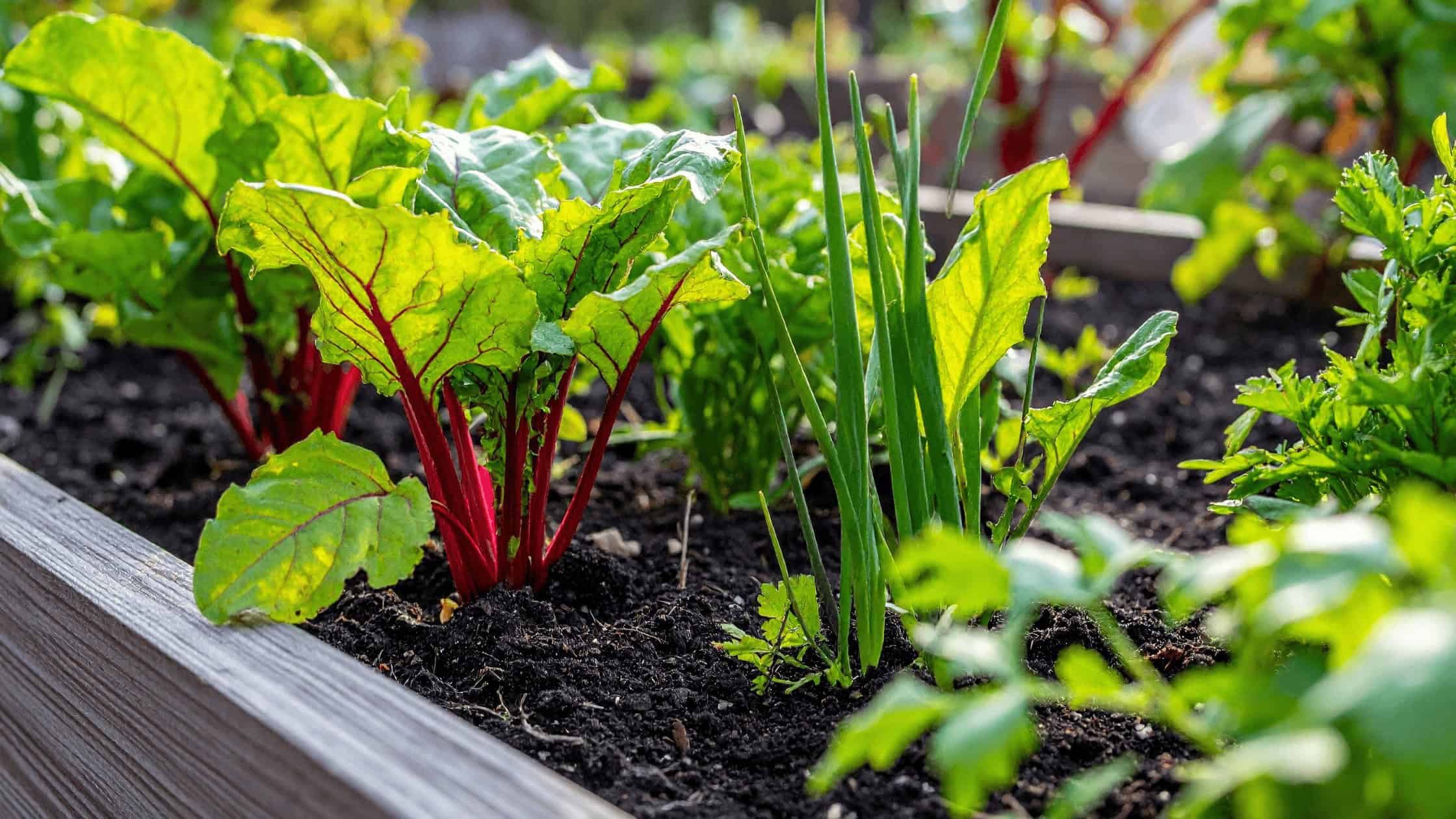
    • Harvest most vegetables and fruits from your garden before the weather turns frosty. Some vegetables, such as kale, can handle the cold, so you can let them go longer. But if you live in a region that gets heavy snowfall, you’ll want to harvest everything before your vegetable garden gets buried.

Assess Your Yard’s Health

    • Take a general survey of how the plants in your garden are faring. If they have been struggling, try to determine if the location is wrong, the plants need additional care or you simply need to move or replace them. Fall is also a good time to make plans for any problematic areas you’ve noticed during the past few months; you can deal with them either immediately or in early spring. This might include addressing areas that are too dry or overly soggy, or managing overgrown plants or barren patches. Assess outdoor structures at the same time. You’ll want to make any needed repairs before winter weather sets in.

Prep Outdoor Furniture for Colder Months

    • Clean cushions, pillows, rugs, throws and other decorative items as well as portable outdoor furniture when the outdoor entertaining season is over in your area. Move everything to a protected place, such as a garage, shed or storage unit, for the season. If you plan to keep using your outdoor spaces throughout the colder months, invest in good protective covers. Do the same for fixtures that are permanently installed but vulnerable to cold temperatures or temperature fluctuations, such as birdbaths, fountains, fire pits, grills and outdoor kitchen features.

Do Some Clean Up

    • Remove fading annuals and plants that are diseased or dead or have been infested by insects. Cut off any rotting stems or mushy foliage on herbaceous perennials, or completely cut back those plants. You also should cut back plants, such as lilies, irises and peonies, that will die off and be more difficult to clean up in spring, or that are susceptible to diseases, especially fungal diseases, that can develop in winter. Do the same with exuberant self-seeders, or you may end up with an overabundance of them come spring. Trim plants that need a light shaping. Check trees and large shrubs for dead or weak branches that might break during storms. Removing them will prevent damage to both the plants and the surrounding areas. Fall is not the ideal time for a major pruning, but you can gently shape plants and remove limbs.

Protect Your Containers

    • Move ceramic, terra-cotta and other fragile containers indoors or to a sheltered spot for the winter, as they can easily crack when exposed to the cold. Insulate larger containers that can’t be moved. Metal, stone and concrete containers are more cold-tolerant, but you might want to move them as well, especially if you expect extreme weather or they are pieces you love. Clean any empty containers and store them in a shed, garage or other sheltered place until you’re ready to reuse them in the spring.

Tackle Lawns & Garden Beds

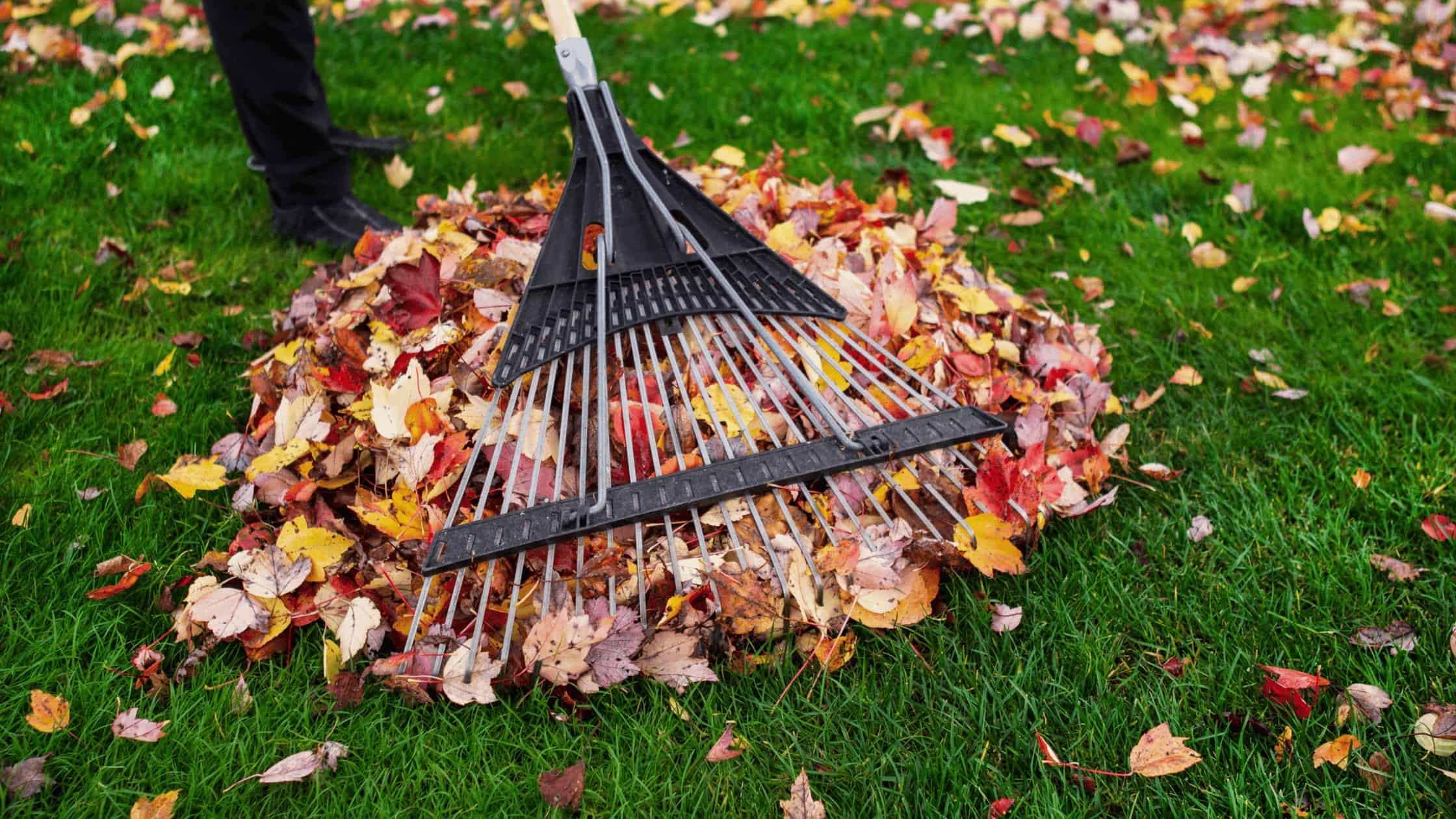
    • Aerate and de-thatch your lawn in fall to loosen the soil and encourage absorption of air, water and nutrients. Doing so also will encourage strong root growth. Rake leaves off lawns and garden beds on a regular basis. Add them to a compost or leaf pile, or mulch them with a mower to break them up. You can lightly scatter shredded leaves over the lawn to decompose and enrich the soil over winter, but be careful not to smother the grass. Add shredded leaves to your garden beds as well, along with bark mulch, compost or leaf mold.

Prep Your Pipes

    • In cold-winter regions, shut off any exterior water systems before cold weather hits. Then open the tap and drain the lines to prevent damage. Finally, disconnect any hoses. Do the same for any water lines leading to an outdoor kitchen. At the same time, drain and clean any outdoor water features, such as fountains and ponds. In warmer regions, check that your irrigation system is still working correctly. Repair or replace any sprinkler heads or drip system components as needed. Cut back on watering frequency as the weather cools. If rainfall is sufficient, turn the system off. Even if you live in a warmer area, it’s a good idea to keep an eye on winter forecasts. Insulate exterior pipes and taps if a freeze is predicted, especially one that will last several days. Another option is to open the taps slightly to allow water to slowly drip out.

Overwinter Delicate Plants

    • Move tender plants and less hardy overwintering bulbs, especially those in ceramic or terra-cotta containers, to a sunny window or sheltered spot for the winter. If moving plants isn’t practical, you can cover them with cloches or cold frames.

Clean & Store Tools

    • Whether gardening season is coming to an end or you’ll continue to work in your yard, fall is an ideal time to repair, clean and sanitize your outdoor tools. Store them in a shed or garage where you can easily access them if needed but where they are protected from winter weather.

Get a Head Start on Spring Planting

    • Add soil amendments to planting beds before winter sets in. They’ll break down during the coming months, and you’ll be able to get a jump on spring planting once the soil is dry enough to work. If you live in a warm-winter area, you also can grow cover crops, such as fava beans or clover, throughout the season that will restore nutrients to the soil or support overwintering pollinators. Sow wildflower seeds and plant bulbs, either in the ground or in containers, for spring blooms.

I hope you all had a lovely Thanksgiving surrounded by friends and loved ones. Until next month!

Source: houzz.com

Posted in: Buying A Home, Getting To Know You, Portland, Real Estate Tagged: Exterior Design, Garden Tips, Home Buying, Home Design, Home Tips, Homeownership Tips, Portland, Real Estate, Sean Besso, Winter, Yard Maintenance

First Aid, Emergency, and Medical Supply Checklist

Don’t wait until you need them to stock up on your first-aid kit and emergency stash. Here is a list of what to get and where to keep it.

1. First-Aid Kit

Too much stuff can be confusing to sort through in an emergency. Keep your supplies streamlined and well organized, and take the time to get familiar with each item in your kit before you need them. Taking a first aid and CPR course from your local Red Cross is smart, particularly for those with kids or elders in the house.

Where to store it: Keep your first-aid supplies in a centrally located place (such as the kitchen or mudroom) for easy access in an emergency, and make sure every member of the household knows where it is. If you have young children in the home, store it up high. For homes with both young and older kids, show the older children how to use a stepladder to retrieve the kit if needed, stressing that it is for emergencies only, and is not a toy.
What to include: In addition to any personal medications (inhaler for asthma, etc.), consider adding the following items to your kit.

  • Bandages in assorted sizes
  • Absorbent compresses
  • Sterile gauze pads
  • Antiseptic wipes
  • Cloth tape
  • Antibiotic ointment
  • Space blanket
  • Non-latex gloves (in case of allergy)
  • Scissors
  • Tweezers
  • Thermometer
  • Instant cold compress
  • Roller bandage
  • Hydrocortisone ointment
  • First aid booklet

See the Red Cross for a complete list.

2. Medical Kit

Being prepared for common illnesses, aches and pains can save a lot of hassle and midnight drugstore runs. Check expiration dates on your prescription medications, and return leftovers to the pharmacy (call ahead: most will accept them). Medications flushed down the toilet can enter our water supply; be on the safe side and take the time to dispose of them properly.

Where to store: Humidity and heat can damage ingredients in most medications, so do not store them in the medicine cabinet, which tends to be humid. Try a hall closet or high kitchen cupboard (away from the stove) instead. If you have medications that must be refrigerated, and you have kids at home, store them in a locked box in the fridge to prevent accidental ingestion. Because both over-the-counter and prescription medications can be dangerous when not taken as intended, it is best to keep them high and hidden, whether or not you have kids in the house. Safely dispose of unused, unneeded and expired medications.

What to include: Consider keeping the following items in your medical kit.

  • Antibiotic ointment
  • Band-Aids
  • Tweezers
  • Fever reducers and pain relievers
  • Aspirin
  • Thermometer
  • Rubbing alcohol
  • Hydrogen peroxide
  • Antacids
  • Antihistamines
  • Anti-itch lotion
  • Laxatives
  • Anti-diarrhea medication
  • Cold, cough and flu medications

You may wish to consider adding some natural remedies that serve the same purpose as one or more of the items above. Consult your health care practitioner for more ideas.

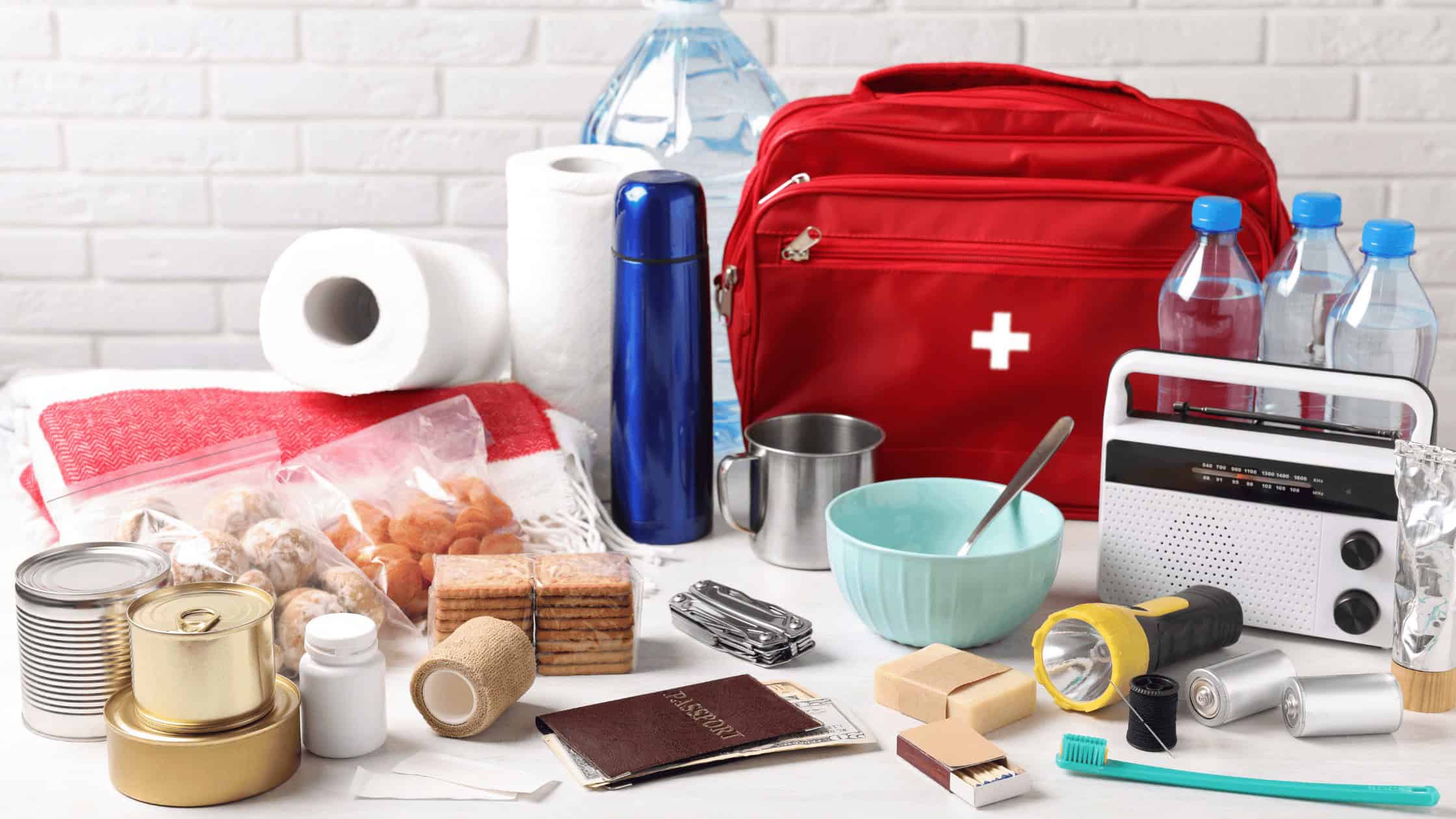
3. Emergency Preparedness Kit

If you’ve been putting off creating an emergency kit, make a point of doing so soon. Be prepared!

Where to store: Don’t hide your kit so deep in the basement or garage that you can’t find it when you need it. In the garage near the back door, in a coat closet near the front door or in the pantry are all good choices. Storing your supplies in a brightly colored backpack is a smart choice, as it can easily be found and toted along if you ever needed to evacuate your home.

What to include: The quickest and easiest way to ensure you have a well-stocked emergency kit is to order one from the Red Cross store. If you want to create your own, consult the list on the kit they offer, and gather the items yourself. Supplement your basic kit with personal items you would want in an emergency: medications, favorite shelf-stable foods, a change of clothes for each person in the house, pet food, plus something to read, play or do. Finally, tuck in a list of emergency numbers and a solar charger for your cellphone.

4. Supplemental Kits for Pets, Car, and More

Depending on your lifestyle (city dwellers may not need a car kit) and household (pets or not) you may want to put together a few smaller kits tailored to your needs. Homes with kids may want to keep a spare first-aid kit in the backyard or favorite play space where injuries are likely to occur, while very large homes may require several first-aid kits.

Maintaining your kits: Try to tie in maintaining your medical and emergency kits with another chore you do every six months or so, such as steam-cleaning your carpet or inspecting your gutters. Check for and dispose of expired items, and replace as necessary. Then give yourself a big pat on the back and revel in the feeling of being prepared.

I hope you find this checklist helpful! Until next month!

Resources: Houzz.com

Posted in: Buying A Home, Home Maintenance, Portland, Real Estate Tagged: Checklist, Home Maintenance, Home Maintenance Checklist, Home Tips, Portland, Real Estate, Safety, Sean Besso

October Home Maintenance Checklist

It’s time to cover and store outdoor furniture and grills. Get your home ready for more time spent indoors with the checklist below.

1. Check Safety Devices

    • Test smoke and carbon monoxide detectors in the house, replacing batteries as needed. Check the expiration date on the kitchen fire extinguisher and replace it if needed.

2. Vacuum Radiators, Baseboard Heaters, and Heating Grates

    • Prepare for heating season by vacuuming up dust from radiators, baseboard heaters and heating grates. If you have radiators with covers, remove the covers and vacuum beneath them before replacing.

3. Tidy Up Your Mudroom

    • The flurry of activity this time of year can leave the mudroom looking a little worse for the wear. Take some time to regain sanity: sort through papers and put away stray summer items. Clean the floors and invest in a new doormat if needed. Keep a recycling basket near the entrance to make sorting mail and school papers easier, and dedicate a tote or bin for items that need to go out.

4. Rake Leaves

    • To make quicker work of collecting leaves from a large lawn, rake the fallen foliage onto a large plastic tarp. Then bag it or add it to your compost pile.

5. Cover or Store Outdoor Furniture and Grills

    • If you plan to leave your patio furniture or grill outside through the fall and winter, cover them well and stow them beneath an overhang that will protect them from rain and snow. Even if you live in a mild climate, covering your grill between uses is a good idea to preserve the finish.

6. Clean Carpeting and Area Rugs

    • Have area rugs and carpeting professionally cleaned if needed, or spot-clean on your own. Rotate area rugs before putting them back in place. This will help prevent one side from becoming more worn or faded than the other.

7. Maintain Your Wood Stove or Fireplace

    • If you have a fireplace or wood stove, it is a safety essential that you have it serviced before lighting the first fire of the season. If you haven’t done so already, schedule an appointment to have your chimney inspected and, if necessary, cleaned.

8. Decorate for Halloween!

    • If you’re planning to participate in Halloween festivities — whether you’re working on an elaborate lawn display or simple door decor — it helps to get an early start on shopping (or crafting).

I hope you find this checklist helpful! Until next month!

Resources: Houzz.com

Posted in: Buying A Home, Home Improvement News, Home Maintenance, Portland, Real Estate Tagged: Checklist, Fall, Fall Home Maintenance Checklist, Home Maintenance, Home Maintenance Checklist, Home Tips, Portland, Real Estate, Sean Besso

Ways to Refresh Your Yard

Summer is quickly coming to an end, but it’s never too late to refresh your yard this season. We still have plenty of nice weather days ahead of us, so make the most out of it with the design ideas below and enjoy your newly revitalized yard before fall arrives.

Revive Your Planters

    • Replace fading blooms with summer favorites. Purchasing plants that are ready to bloom rather than already in full bloom will help you extend the season. You might also want to refresh your potting soil to give the new plants a good start.

Refresh with New Paint

    • Add a splash or two of an unexpected color to give your yard a new look without a lot of fuss. Start small with a painted pot or Adirondack chair, or experiment with other garden elements. Look for paint designed for both the surface you are painting and for outdoor use. Also, if you’ll be painting a planter used for edibles, be sure to choose a nontoxic option.

Add Umbrellas or Shade Sails

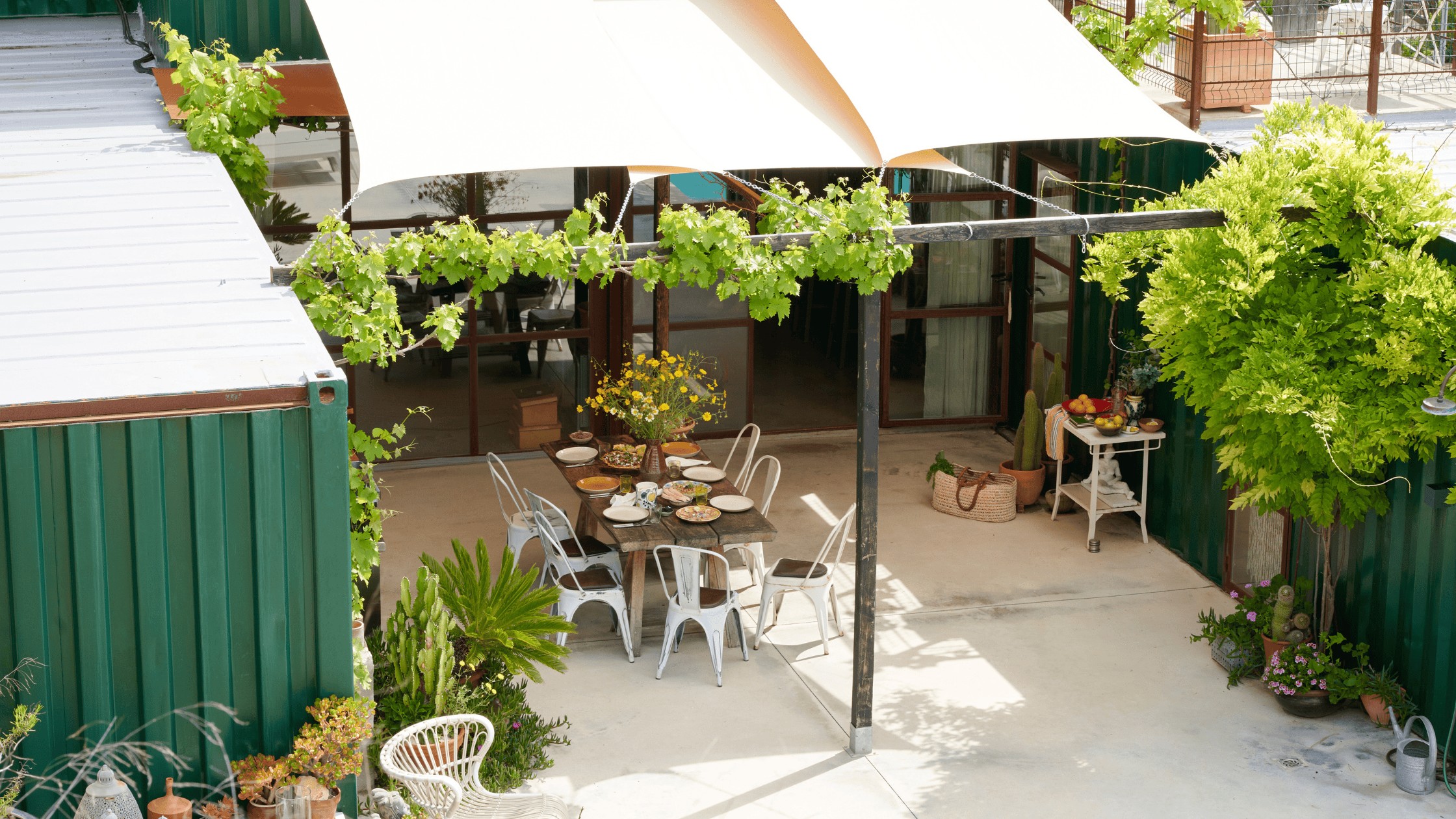
    • Use a freestanding umbrella to provide shade in spots other than above your dining table. You’ll find umbrellas in a range of size and colors. A shade sail can provide even more protection for a sitting or dining area without closing off the rest of the space. The breezes will still circulate to cool you down, but you’ll have a bit of respite from the direct heat. Even better, you’ll find plenty of color options to choose from so that you can tailor the look to your landscape design.

Change Out Pillows and Cushions

    • New pillows and cushions go a long way toward giving furnishings a fresh look. Bonus: Many retailers put their summer-theme offerings on sale at this time of year. And while you’re at it, you might also find just the right chair or table to fit the new look.

Light Things Up

    • Supplement your existing outdoor lights with lanterns and candles that will enhance the ambiance. Opt for large statement pieces, such as lanterns like the ones seen here, or place smaller pillar candles or tea lights around your entertaining areas for a soft, continuous glow. Whatever type of lighting you choose, be sure that it is study and place it so it won’t be knocked aside or tipped over easily, especially if you have live flames. Consider making things even safer by opting for battery-powered versions.

Hang a Hammock or Swing

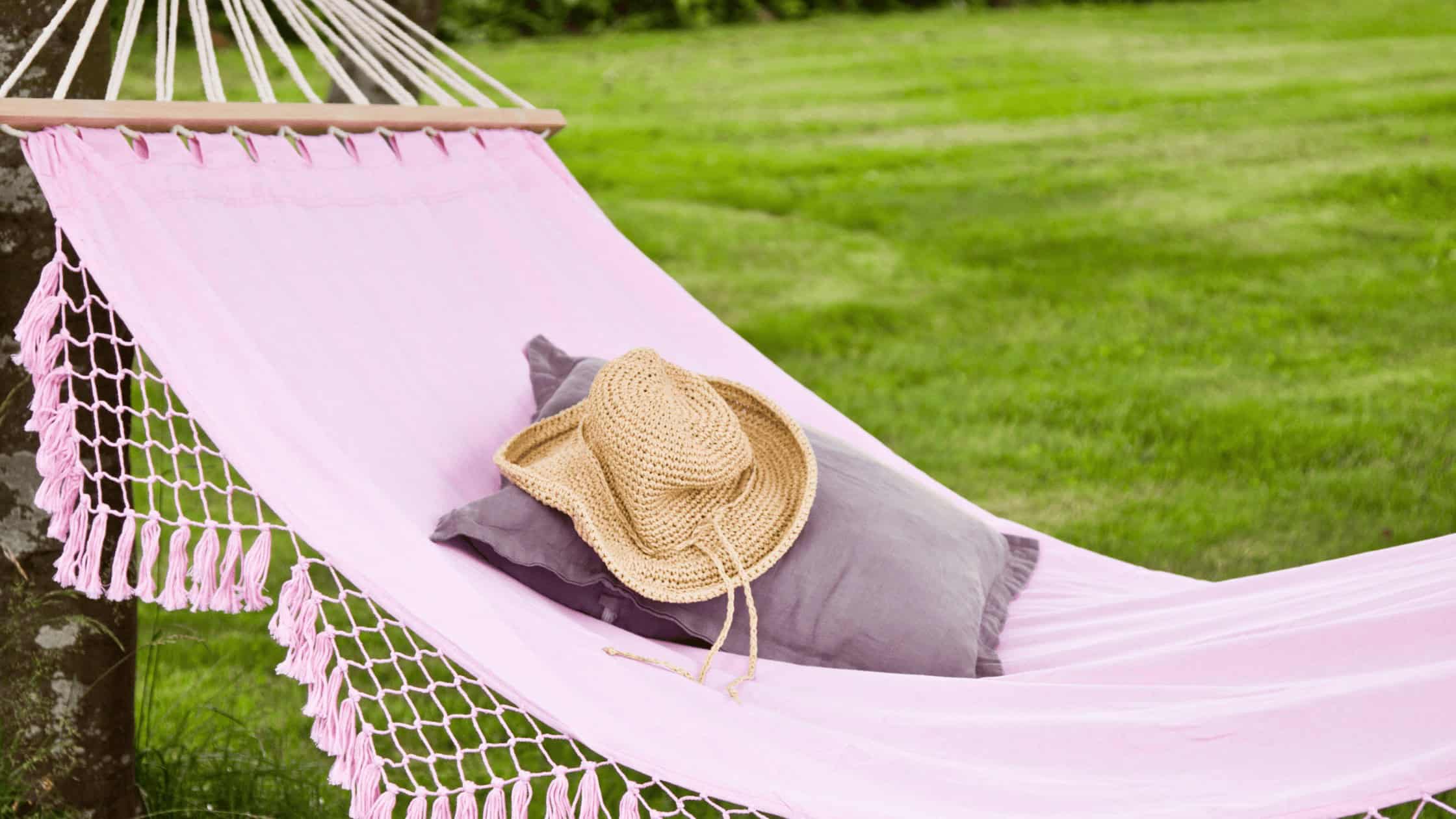
    • Nothing says summer quite like hanging out in a hammock or drifting back and forth on a swing. If your hangout place is also a brilliant color that matches the colors in your summertime yard, so much the better. Whether you choose a hammock or a swing, make sure it’s securely anchored before you put it to use.

Create a Relaxing Retreat

    • Move chairs and sofas from a spot that’s basking in the sun to a location under a shady tree. The naturally filtered light will help cool things down, and you’ll be able to enjoy the beauty of your yard while reading, sipping or simply daydreaming.

Designate a Place for Drinks

    • Borrow the idea of a bar cart for your outdoor space. You won’t want to keep the drinks there full time, but having a set location and a few accoutrements handy, including a tub for chilling drinks and bar tools, will mean you’re ready to go when it’s time to bring things out. A bar cart also can do double duty as a table or counter when not in use for drinks. Closed cabinetry will let you keep some glassware and cutlery as well as any bar tools outside. To make juggling everything you’ll be bringing out from the kitchen even easier, consider having a weather-friendly tray on hand. If space is tight, look for other possible options when it’s time to entertain: the end of a counter, the top of a storage cabinet or even a potting bench.

Roast Mallows and Gather Around a Fire Pit

    • Extend the evening by gathering around a fire. It’s the perfect way to relax, sip some drinks and maybe make a s’more or two. If a permanent fire pit isn’t in your budget or landscape plan right now, look for smaller portable options, including some that use propane or electricity for the flames. They’re generally readily available and less expensive than built-in fire pits, and they have the added advantage of allowing you to place them wherever the action is for the evening.

Take Movie Night Outdoors

    • Turn your yard into an outdoor movie theater. A full outdoor theater is a commitment, but for an occasional family-and-friends movie night, especially if you aren’t fussy about quality, you can get by with a portable screen, white sheet or wall; a reliable projector or favorite movie player; speakers that can compete with ambient nighttime sounds from traffic noise or windy gusts; and some comfortable lawn chairs or lounges. Locate your screen in a spot that’s relatively free from adjacent lighting, and set up the projector and sound system. Also, be aware of how your location will affect your neighbors. You don’t want to blast them out with loud sounds or project something unsettling, such as a horror flick, to the neighborhood. Then just add popcorn and enjoy.

Comment with any changes you’ll be making to your yard before the end of summer. Until next month!

Source: houzz.com

Posted in: Buying A Home, Getting To Know You, Portland, Real Estate Tagged: Exterior Design, Home Buying, Home Design, Home Tips, Homeownership Tips, Outdoor Decor, Outdoor Decorating, Outdoor Furnishing, Portland, Real Estate, Sean Besso

Reasons to Cook & Eat Outdoors This Summer

Get the grill ready! Nothing beats the smell of dinner sizzling on the grill and relaxing al fresco dining. It’s simple pleasures like this that should be enjoyed more often. Here are 10 reasons to bring your crew outside for dinner (or breakfast or lunch) more often this season and beyond.

It Becomes a Social Event

    • When you’re cooking outside, preparing dinner is part of the fun instead of a chore that keeps you holed up in the kitchen alone. Family and friends can easily hang out and chat with whoever is stationed at the grill, and can pitch in by prepping sides or gathering plates.

Cooking Outside Keeps Your Kitchen Cool

    • On the hottest, muggiest days of summer, just the thought of turning on the oven can be horrifying. Keep your cool by cooking and serving dinner outdoors instead.

Skip the Kitchen Clean Up!

    • Not only does eating outdoors mean less kitchen prep, it means less cleanup too — and who doesn’t want that? Whether you’re cooking for a big crowd or just family, having a night off from messy pots and pans can be a big relief.

Hosting Outside Means You Don’t Have to Deep Clean the House

    • If you’d love to invite people over more often but hate the time it takes to get the house presentable, outdoor dinner parties may be the ideal solution. Put a fresh tablecloth on the outdoor table, maybe turn on some twinkle lights and you’re good to go.

Grilling is a Crowd Pleaser

    • When some folks in your group are vegetarian, some are vegan, some are gluten-free and others are mega meat eaters, it can seem impossible to please everyone. But when you’re grilling, customizing each diner’s plate is fairly simple — especially if you ask everyone to bring something they would like to eat to contribute to the grill.

Grilling Tends to be Quicker

    • With slow-cooked barbecue being the (rather delicious) exception, most cooking on the grill tends to fall into the quick-cooking category. Think grilled veggies, kabobs and burgers — it’s so easy, there’s no reason you couldn’t cook dinner on the grill most weeknights, especially if you have a quick-to-heat gas grill.

It Makes Weeknight Dinners Feel Special

    • There’s something about cooking and eating outdoors that can make any old dinner feel more like vacation. And if you have kids, eating outside also means that they’re more likely to run off and play outside when they finish the meal, rather than beg for screen time, so it’s a win-win.

It Works for Breakfast & Lunch Too!

    • If the weather is pleasant, why not bring your breakfast or lunch outdoors, where you can enjoy it in the fresh air? If you don’t feel like turning on the stove at all, make like you’re camping and cook up some French toast in a cast iron skillet on the grill, or roast hot dogs for lunch on a lazy Saturday.

You Can Host a Larger Crowd Outdoors

    • Even if your house is small or doesn’t have the right flow for entertaining a crowd, chances are that more can fit comfortably outdoors. And when you consider that people like to stand around the grill, you probably don’t even need as many seats as you would if you hosted the same number of folks indoors.

Food Tastes Better Outside

    • Is it some ancestral memory of cooking on the fire? Is it the fresh air? Whatever the reason, food eaten outdoors always seems to taste better, and who’s going to argue with that?

Be sure to comment with some of your favorite grilling recipes. Until next month!

Source: houzz.com

Posted in: Buying A Home, Getting To Know You, Portland, Real Estate Tagged: Exterior Design, Home Buying, Home Design, Home Tips, Homeownership Tips, Outdoor Decor, Outdoor Decorating, Outdoor Furnishing, Portland, Real Estate, Sean Besso

July Home Maintenance Checklist

Summer is in full swing! The first day of July is tomorrow which means swimming, BBQs, and fireworks. Knock out some of these home maintenance checklist items and enjoy all that summer has to offer.

1. Clean Your Porch Lights

    • If you have glass light fixtures that are easily removed, bring them inside and wash in a dishpan of warm water with gentle soap. If the fixtures must stay in place, turn the power off and carefully wipe the exteriors with a damp microfiber cloth; dry with a soft cloth. When finished, change lightbulbs as needed.

2. Clean Windows Inside & Out

    • Keep that summer sunshine streaming in by giving windows a quick rinse with glass cleaner or a vinegar solution, then squeegee them dry or wipe with a clean microfiber cloth. If you want to avoid using a ladder outside, reach exterior windows with a window-washing hose attachment or telescoping window washer, or hire a window-washing service to get the job done.

3. Check Safety Devices

    • Carbon monoxide detectors and smoke detectors should be tested monthly; replace batteries as needed, and replace the entire device if it is more than 10 years old. Interconnected smoke detectors (when one alarm goes off, they all sound) are the safest because it is more likely that everyone in the house will hear the alarm. Also, take a moment to check the expiration date on any fire extinguishers in the house and replace them if needed.

4. Check Window Screens for Holes

    •  It’s summer, and the mosquitoes are out in full force. If you’ve been getting bitten inside the house, check your window screens and screen doors for small holes and tears. Use a screen patching kit to repair any damage, and keep those pesky bugs outdoors where they belong.

5. Keep Your Landscaping Fire Safe

    • It’s important to remove weeds, fallen leaves, needles and other items that could become fuel in a fire, particularly from the area immediately surrounding your home.

6. Add Shade to Your Yard

    • Make your backyard more comfortable with an umbrella or shade sail. With ample shady spots to sit, you’ll likely find yourself wanting to spend more time in your outdoor space — and shade is a must for summer backyard gatherings.

7. Refresh Summer Whites

    • Fresh, clean and crisp, nothing says summer quite like white linens. Keep your white textiles looking their best by laundering slipcovers, cushion covers and curtains, or sending them out for dry cleaning if they’re not machine washable. Keep white upholstery and Roman blinds looking fresh by vacuuming them regularly using your vacuum’s upholstery attachment.

8. Prepare for Summer Guests

    • Before guests arrive, be sure to clear out your own personal items, make up the beds with fresh sheets and set out a stack of fresh towels. Small extras such as bottles of water, a basket of travel-size toiletries and a card with the house Wi-Fi password will be much appreciated. If you host frequent overnight guests, consider adding a trundle bed or bunk to make the most of the space, especially if you know you’ll be having kids visiting.

I hope you find this checklist helpful! Until next month!

Resources: Houzz.com

Posted in: Buying A Home, Home Improvement News, Home Maintenance, Portland, Real Estate Tagged: Checklist, Fall, Fall Home Maintenance Checklist, Home Maintenance, Home Maintenance Checklist, Home Tips, Portland, Real Estate, Sean Besso

Posts navigation

  • 1
  • 2
  • 3
  • …
  • 8
  • Next Page »

Quick Search

About Sean Besso

Whether you are an experienced investor or a first time buyer, I can help you in finding the property of your dreams. Feel free to browse through my profile and please don't hesitate to reach out for any of your real estate needs! Meet Sean...

Client Reviews

Impressed with his social, professional and articulate manners. Very responsive to requests. Easily explains situations and information in a format that can be quickly understood and processed by individuals outside of the real estate profession. Enjoyed the experience and learned so much.
- Dan Shoop


More Testimonials

Get in Touch

Sean Besso Broker
Licensed in the State of Oregon
2207 NE Broadway Ste. 100
Portland, OR 97232
Call Us: (503) 444-9008
© 2026 · Sean Besso Broker

Privacy

Privacy Policy | Sitemap | DMCA

Agent Reputation | Real Estate Website Design

Marketing | Order Order
Log in