seanbessorealty@gmail.com
    (503) 353-6673

Sean Besso RealtySean Besso Realty

Oregon Real Estate Lives Here

  • About
    • Sean Besso
    • Online Reviews
    • Leave Feedback
  • Buyers
  • Sellers
  • Communities
    • Beaverton
    • Downtown & the Pearl District
    • Happy Valley & Clackamas
    • NE Portland
    • North Portland
    • NW Portland
    • Oregon City
    • SE Portland
    • SW Portland
    • West Linn
  • Blog

Spring Home Maintenance Checklist

As winter weather fades, it’s the perfect time to assess your home for any seasonal damage and get ready for the warmer months ahead. With longer days and milder temperatures, spring offers an ideal opportunity to step outside and take on larger home and yard projects.

1. Wash Windows

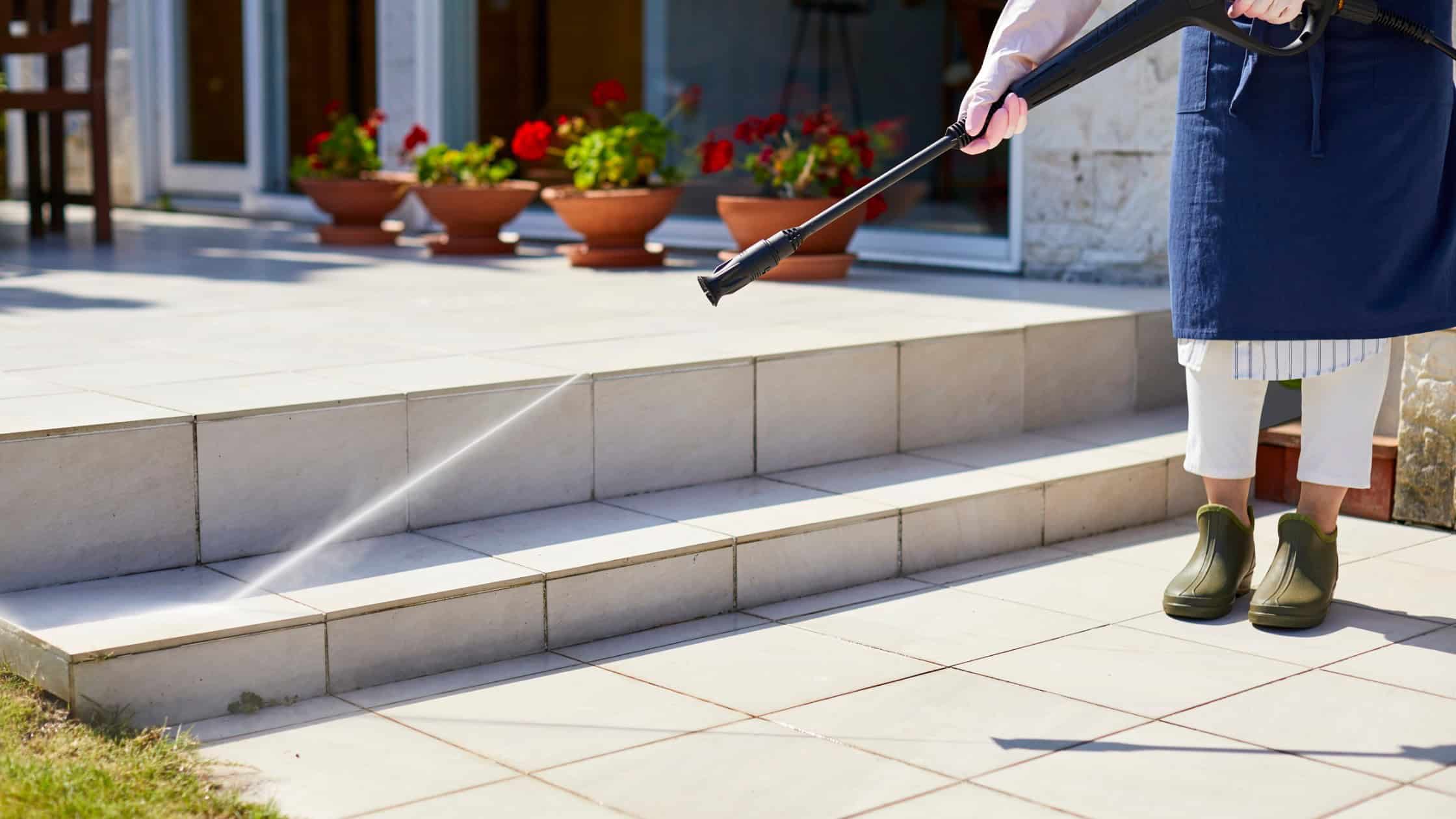
    • Give your home a fresh, polished feel by cleaning grime from your windows inside and out. Sparkling glass brightens your indoor spaces and enhances curb appeal on the exterior. You can tackle exterior windows yourself with a hose attachment, or consider hiring a professional for a thorough, hassle-free clean.

2. Check Screen Doors & Windows

    • Window screens help keep fresh air flowing while preventing insects from getting inside—but they can only do their job if they’re in good condition. Before installing them for the warmer months, take a few minutes to inspect each screen carefully and repair any holes or tears, even minor ones. Screen repair kits are widely available at most hardware and home improvement stores, making this an easy and worthwhile task.

3. Inspect Driveways and Paths

    • Freezing and thawing cycles can take a toll on concrete, asphalt, and other hardscape surfaces. Take a walk around your property to check for any damage to walkways, paths, and driveways, and plan for repairs as needed. While asphalt can often be patched, more significant damage to concrete may require full replacement.

4. Clean Light Fixtures & Lamps

    • Ceiling-mounted fixtures, fans, and table lamps can collect a surprising amount of dust over time, which can dull their appearance and reduce the amount of light they give off. Refresh your space by gently cleaning these surfaces with a soft microfiber cloth or duster to restore their shine and brightness.

5. Clean Gutters & Downspouts

    • Once the last frost has passed, it’s a good idea to have your gutters and downspouts cleaned and inspected for any needed repairs. Clogged systems can lead to rotting wood trim along the eaves, which may create openings for pests to enter your attic. Taking care of this maintenance early in the season can also help protect your home from spring rains. Clean, properly functioning gutters and downspouts ensure water flows freely and is directed away from your home. When downspouts are correctly installed, they help prevent water from pooling around the foundation, reducing the risk of damage over time.

6. Clean Underneath Area Rugs

    • Move furniture as needed, roll up your rug and pad, and take a moment to vacuum underneath. It may feel like a bit of extra effort, but once you see what’s been hiding beneath, you may find it well worth adding to your regular cleaning routine.

7. Wipe Wall Scuffs & Dings

    • Using a damp, soft cloth and a bit of dish soap, or a product (like Magic Eraser), swipe off scuff marks. Fill any dings in the wall and touch up with paint.

8. Check Sprinkler & Irrigation Systems

    • Taking time in the spring to check your sprinkler or irrigation system can help conserve water and keep your plants healthy. Professionals recommends running the system through each zone manually while walking your property to ensure everything is working properly. Look for any broken or damaged sprinkler heads, and make adjustments as needed—especially if water is spraying your home, such as windows, which can lead to moisture issues. It’s also important to redirect any heads that are watering streets, sidewalks, or porches to prevent unnecessary waste. If you’re unsure how to properly maintain your system, consider contacting a professional. A little attention now can help lower your water bill while protecting one of our most valuable natural resources.

I hope you find this checklist helpful! Until next month!

Resources: Houzz.com

Posted in: Buying A Home, Home Improvement News, Home Maintenance, Portland, Real Estate Tagged: Checklist, Home Maintenance, Home Maintenance Checklist, Home Tips, Portland, Real Estate, Sean Besso, Spring, Spring Home Maintenance Checklist

Kitchen Projects That Deliver BIG Results

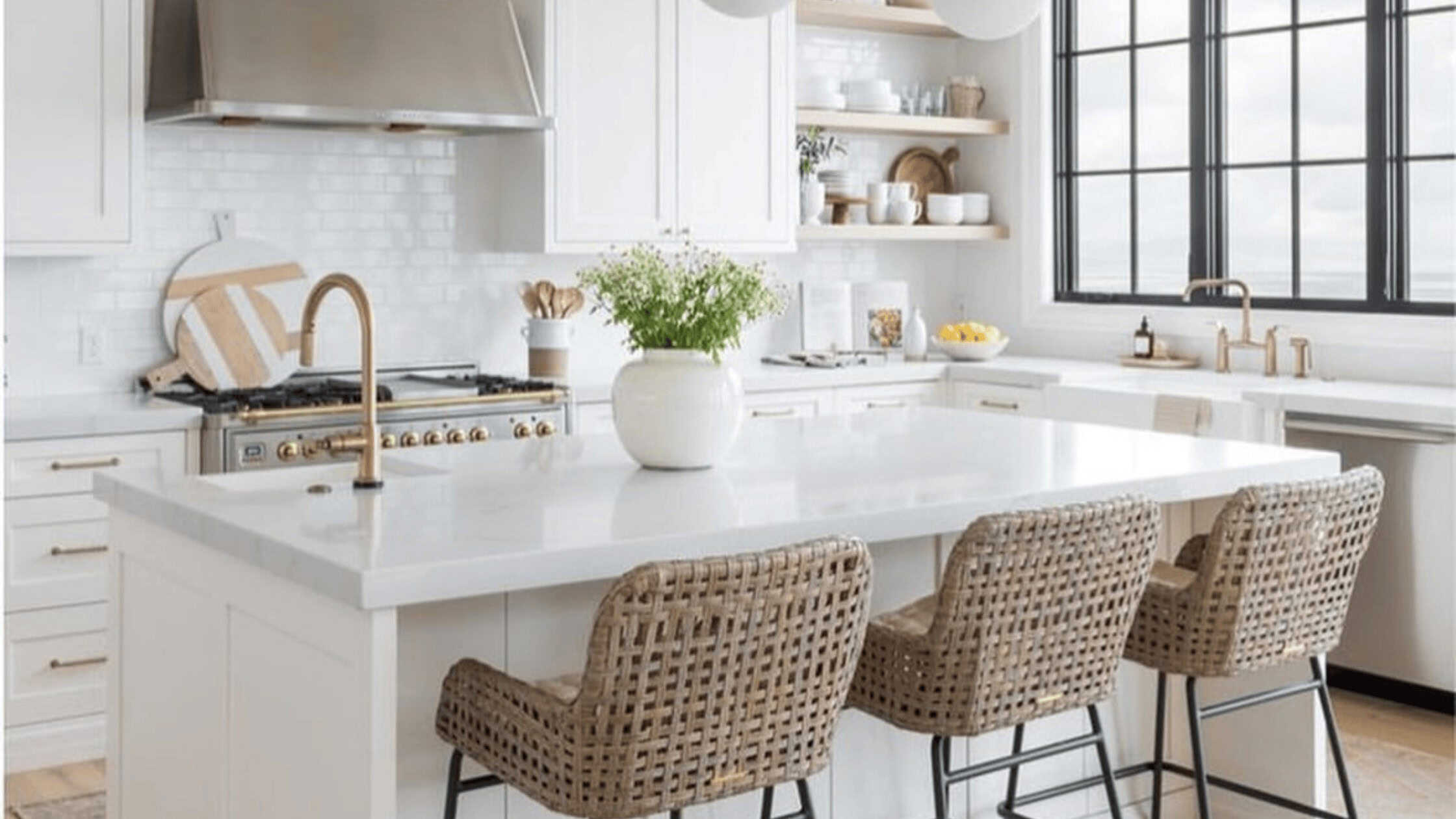
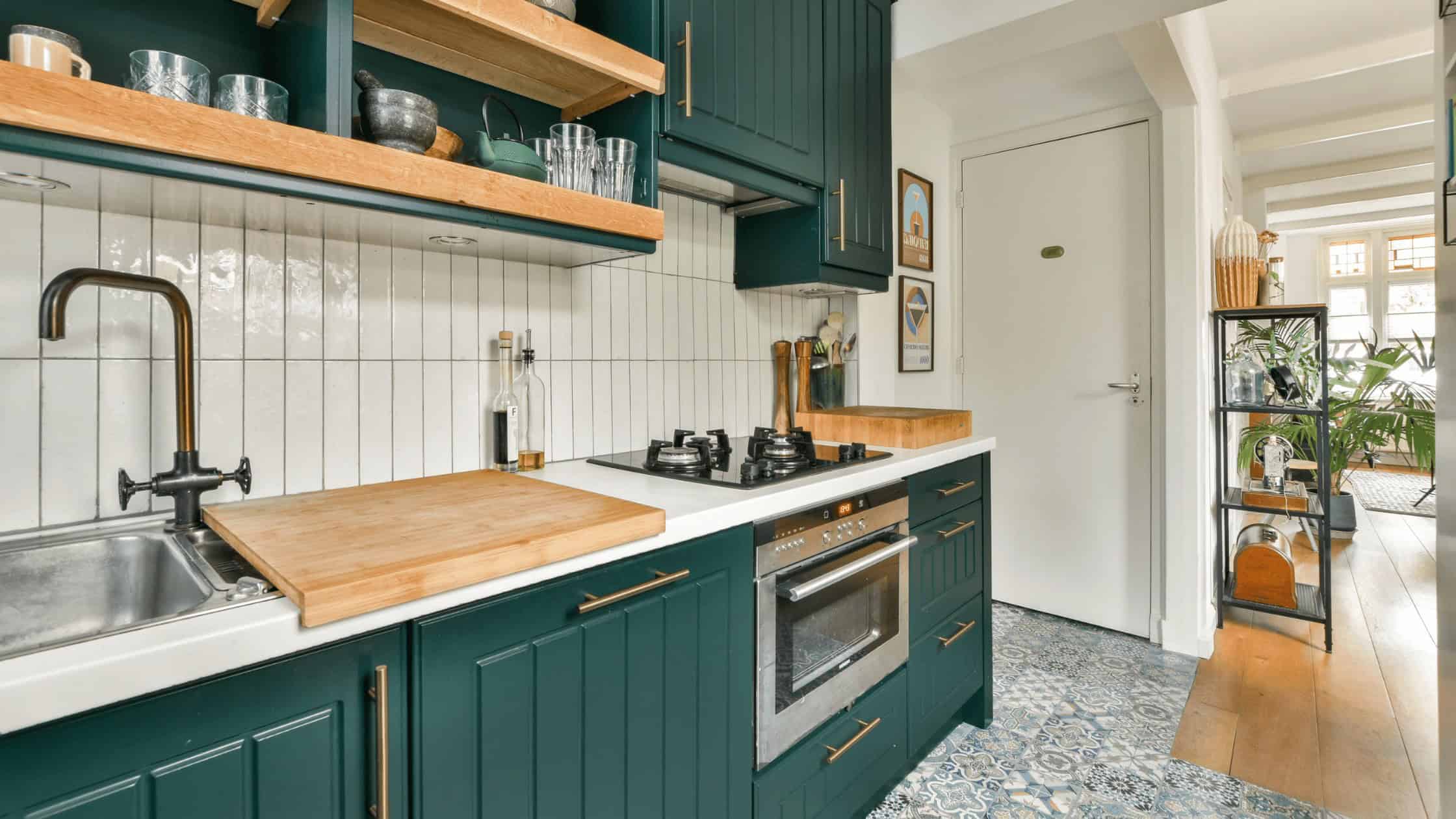
Right in that happy middle ground between simply updating your cabinet hardware and doing a full gut renovation, midsize kitchen remodels focus on the areas that matter most. They solve your biggest frustrations — or take advantage of exciting possibilities — to create a big visual and functional impact, without the stress or price tag of starting from scratch. Here are 10 ideas worth exploring! Use this list help you determine which updates will have the biggest impact in your kitchen and bring them to life.

Add an Appliance Garage

    • Small appliances like toasters, coffee makers and blenders can quickly take over your countertops. Tucking them away in a cabinet helps with clutter, but it’s not very convenient. Enter the appliance garage! A cabinetmaker can modify your existing cabinets to create a dedicated spot with pocket, tambour or flip-up doors — or add a shallow cabinet right on the countertop that blends in with your current finish. Add an outlet inside, and you’ve got a neat, out-of-sight home for your appliances that keeps your kitchen looking streamlined while everything stays within easy reach.

Upgrade Your Appliances

    • Whether you go bold with standout appliances or keep things sleek with panel-ready models, swapping out dated refrigerators, ranges, hoods and dishwashers gives your kitchen an instant refresh. Today’s appliances are also more energy-efficient and packed with smart features, saving money and making everyday cooking easier. Sticking with the same sizes is usually simplest, but a skilled cabinetmaker can often adjust surrounding cabinetry to fit slight differences.

Change the Countertop

    • Because countertops take up so much visual space — especially on a big island — they often set the tone for the whole kitchen. Swapping out an outdated or worn surface can instantly refresh the room and make a huge impact. Upgrading from laminate or tile to a more durable, easy-care material can boost function too. While it’s an investment (and may affect your backsplash), even changing just the island top to a contrasting, complementary material can give your kitchen a stylish new look.

Replace the Backsplash

    • Swapping out — or adding — a backsplash is a simple upgrade that can totally transform your kitchen without touching the cabinets or countertops. It’s a great chance to play with bold color, fun shapes or eye-catching patterns to give a neutral space some personality. Prefer a calmer vibe? A more subtle tile can let other features shine. If a full redo feels like too much, highlight just one spot — like behind the range — for a standout focal point. Or, if you’re updating your counters too, carry the same material up the wall for a sleek, seamless look.

Give Your Existing Cabinetry a Make-Over

    • If your kitchen layout works and your cabinets are in good shape, a professional paint or stain job can completely refresh the space. Not loving the door style? Refacing is a budget-friendly way to get a whole new look without a full replacement. Pros swap out doors and drawer fronts, veneer the cabinet boxes, and can update hinges and hardware at the same time. It’s also a great moment to boost storage or style — add cabinets to reach the ceiling, or switch a few solid doors to glass or metal mesh for a lighter, display-ready feel. Big impact, far less hassle.

Replace Your Flooring

    • Kitchen floors take a beating, and over time they can look worn, uneven or just outdated. Replacing them is a great way to freshen up the whole space, boost safety and better connect your kitchen to the rest of your home. If your subfloor is in good shape, floating or click-lock options — like laminate or engineered wood — can often go right over the existing floor for an easier install. Want a seamless look with tile or solid wood, especially in an open-plan space? Removing the old flooring may be worth it for that clean, cohesive finish.

Find Prep and Dining Space

    • Adding an island or eat-in spot is a top priority for many homeowners. Even in smaller kitchens, a designer can often squeeze in a narrow prep island with a stool or two, keeping plenty of clearance and avoiding traffic jams — all without changing the room’s footprint.

Build a Beverage Station

    • Dreaming of a stylish bar or coffee station? Even if your older kitchen didn’t come with one, you can often create it from unused space — like that old built-in desk that’s been collecting clutter for years. A remodeling pro can help you turn it into a beverage hub with an outlet, durable countertop and smart storage for glasses and supplies. Want to level it up? Add a sink, mini-fridge, wine chiller or even a built-in espresso machine. Just be sure to check local building codes and work with licensed pros before you start.

Maximize Your Interior Storage

    • If storage is your main frustration, you might not need more cabinets — just smarter organization. Simple add-ons like drawer dividers and pullouts can help, but a customized system designed around your space and cooking style can make a world of difference. From taming deep drawers to conquering that tricky corner cabinet, the right setup keeps everything easy to find and perfectly suited to your needs.

Don’t Forget Your Pet!

    • In a recent survey, more than 1 in 5 renovating pet owners added pet-friendly features to their remodel — and it’s easy to see why! If you’ve got a furry family member, consider a built-in feeding station at the end of an island or cabinet run, even with a handy pot filler if you’d like. Add a pullout or tilt-out bin nearby for food storage, and you’ve got a smart, stylish upgrade that keeps both you and your pet happy.

I hope you all had a wonderful February. Until next month!

Source: houzz.com

Posted in: Buying A Home, Getting To Know You, Home Improvement News, Home Maintenance, Portland, Real Estate Tagged: Home Buying, Home Design, Home Tips, Homeownership Tips, Kitchen Design, Portland, Real Estate, Remodel Tips, Sean Besso

First Aid, Emergency, and Medical Supply Checklist

Don’t wait until you need them to stock up on your first-aid kit and emergency stash. Here is a list of what to get and where to keep it.

1. First-Aid Kit

Too much stuff can be confusing to sort through in an emergency. Keep your supplies streamlined and well organized, and take the time to get familiar with each item in your kit before you need them. Taking a first aid and CPR course from your local Red Cross is smart, particularly for those with kids or elders in the house.

Where to store it: Keep your first-aid supplies in a centrally located place (such as the kitchen or mudroom) for easy access in an emergency, and make sure every member of the household knows where it is. If you have young children in the home, store it up high. For homes with both young and older kids, show the older children how to use a stepladder to retrieve the kit if needed, stressing that it is for emergencies only, and is not a toy.
What to include: In addition to any personal medications (inhaler for asthma, etc.), consider adding the following items to your kit.

  • Bandages in assorted sizes
  • Absorbent compresses
  • Sterile gauze pads
  • Antiseptic wipes
  • Cloth tape
  • Antibiotic ointment
  • Space blanket
  • Non-latex gloves (in case of allergy)
  • Scissors
  • Tweezers
  • Thermometer
  • Instant cold compress
  • Roller bandage
  • Hydrocortisone ointment
  • First aid booklet

See the Red Cross for a complete list.

2. Medical Kit

Being prepared for common illnesses, aches and pains can save a lot of hassle and midnight drugstore runs. Check expiration dates on your prescription medications, and return leftovers to the pharmacy (call ahead: most will accept them). Medications flushed down the toilet can enter our water supply; be on the safe side and take the time to dispose of them properly.

Where to store: Humidity and heat can damage ingredients in most medications, so do not store them in the medicine cabinet, which tends to be humid. Try a hall closet or high kitchen cupboard (away from the stove) instead. If you have medications that must be refrigerated, and you have kids at home, store them in a locked box in the fridge to prevent accidental ingestion. Because both over-the-counter and prescription medications can be dangerous when not taken as intended, it is best to keep them high and hidden, whether or not you have kids in the house. Safely dispose of unused, unneeded and expired medications.

What to include: Consider keeping the following items in your medical kit.

  • Antibiotic ointment
  • Band-Aids
  • Tweezers
  • Fever reducers and pain relievers
  • Aspirin
  • Thermometer
  • Rubbing alcohol
  • Hydrogen peroxide
  • Antacids
  • Antihistamines
  • Anti-itch lotion
  • Laxatives
  • Anti-diarrhea medication
  • Cold, cough and flu medications

You may wish to consider adding some natural remedies that serve the same purpose as one or more of the items above. Consult your health care practitioner for more ideas.

3. Emergency Preparedness Kit

If you’ve been putting off creating an emergency kit, make a point of doing so soon. Be prepared!

Where to store: Don’t hide your kit so deep in the basement or garage that you can’t find it when you need it. In the garage near the back door, in a coat closet near the front door or in the pantry are all good choices. Storing your supplies in a brightly colored backpack is a smart choice, as it can easily be found and toted along if you ever needed to evacuate your home.

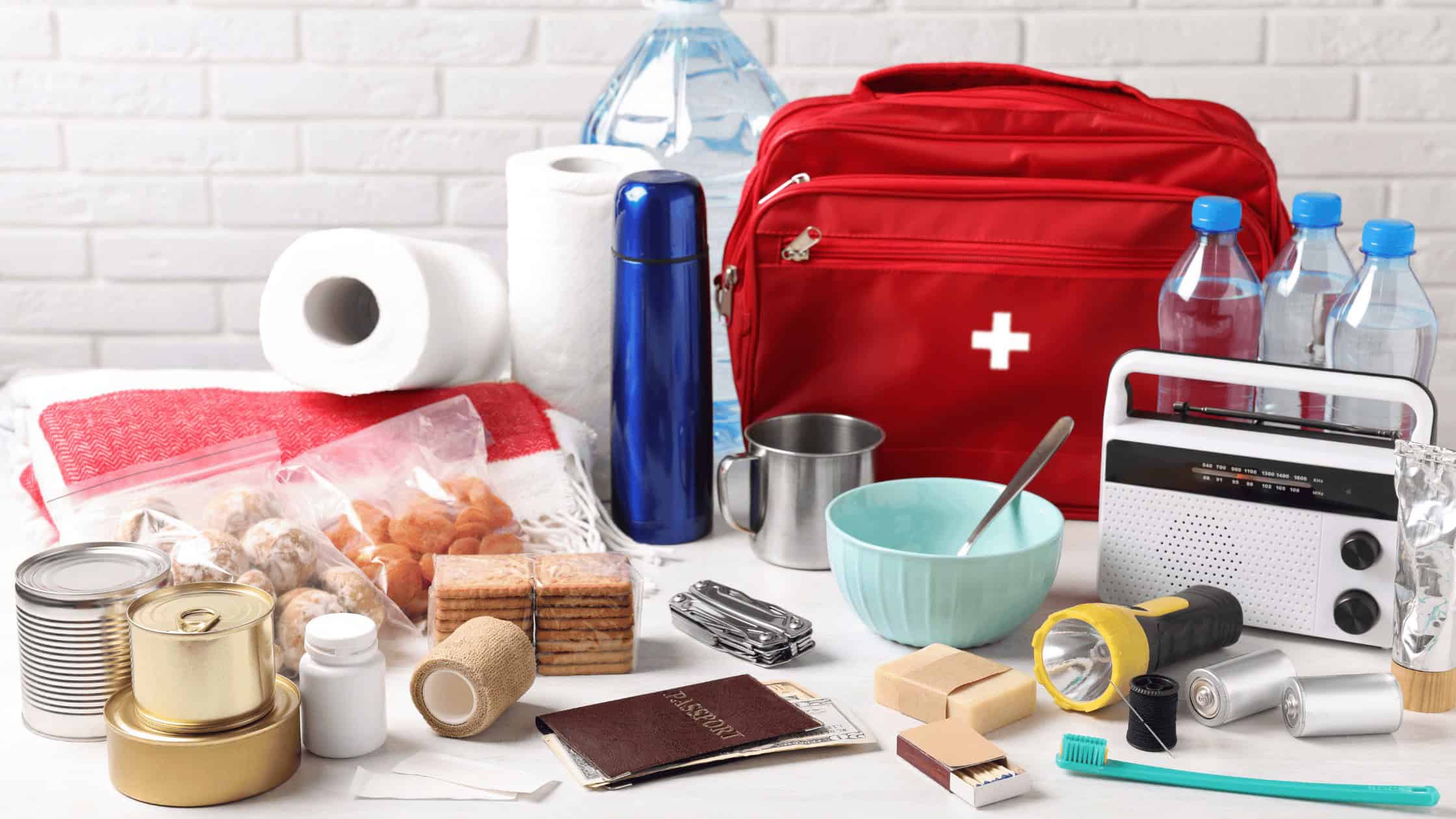
What to include: The quickest and easiest way to ensure you have a well-stocked emergency kit is to order one from the Red Cross store. If you want to create your own, consult the list on the kit they offer, and gather the items yourself. Supplement your basic kit with personal items you would want in an emergency: medications, favorite shelf-stable foods, a change of clothes for each person in the house, pet food, plus something to read, play or do. Finally, tuck in a list of emergency numbers and a solar charger for your cellphone.

4. Supplemental Kits for Pets, Car, and More

Depending on your lifestyle (city dwellers may not need a car kit) and household (pets or not) you may want to put together a few smaller kits tailored to your needs. Homes with kids may want to keep a spare first-aid kit in the backyard or favorite play space where injuries are likely to occur, while very large homes may require several first-aid kits.

Maintaining your kits: Try to tie in maintaining your medical and emergency kits with another chore you do every six months or so, such as steam-cleaning your carpet or inspecting your gutters. Check for and dispose of expired items, and replace as necessary. Then give yourself a big pat on the back and revel in the feeling of being prepared.

I hope you find this checklist helpful! Until next month!

Resources: Houzz.com

Posted in: Buying A Home, Home Maintenance, Portland, Real Estate Tagged: Checklist, Home Maintenance, Home Maintenance Checklist, Home Tips, Portland, Real Estate, Safety, Sean Besso

October Home Maintenance Checklist

It’s time to cover and store outdoor furniture and grills. Get your home ready for more time spent indoors with the checklist below.

1. Check Safety Devices

    • Test smoke and carbon monoxide detectors in the house, replacing batteries as needed. Check the expiration date on the kitchen fire extinguisher and replace it if needed.

2. Vacuum Radiators, Baseboard Heaters, and Heating Grates

    • Prepare for heating season by vacuuming up dust from radiators, baseboard heaters and heating grates. If you have radiators with covers, remove the covers and vacuum beneath them before replacing.

3. Tidy Up Your Mudroom

    • The flurry of activity this time of year can leave the mudroom looking a little worse for the wear. Take some time to regain sanity: sort through papers and put away stray summer items. Clean the floors and invest in a new doormat if needed. Keep a recycling basket near the entrance to make sorting mail and school papers easier, and dedicate a tote or bin for items that need to go out.

4. Rake Leaves

    • To make quicker work of collecting leaves from a large lawn, rake the fallen foliage onto a large plastic tarp. Then bag it or add it to your compost pile.

5. Cover or Store Outdoor Furniture and Grills

    • If you plan to leave your patio furniture or grill outside through the fall and winter, cover them well and stow them beneath an overhang that will protect them from rain and snow. Even if you live in a mild climate, covering your grill between uses is a good idea to preserve the finish.

6. Clean Carpeting and Area Rugs

    • Have area rugs and carpeting professionally cleaned if needed, or spot-clean on your own. Rotate area rugs before putting them back in place. This will help prevent one side from becoming more worn or faded than the other.

7. Maintain Your Wood Stove or Fireplace

    • If you have a fireplace or wood stove, it is a safety essential that you have it serviced before lighting the first fire of the season. If you haven’t done so already, schedule an appointment to have your chimney inspected and, if necessary, cleaned.

8. Decorate for Halloween!

    • If you’re planning to participate in Halloween festivities — whether you’re working on an elaborate lawn display or simple door decor — it helps to get an early start on shopping (or crafting).

I hope you find this checklist helpful! Until next month!

Resources: Houzz.com

Posted in: Buying A Home, Home Improvement News, Home Maintenance, Portland, Real Estate Tagged: Checklist, Fall, Fall Home Maintenance Checklist, Home Maintenance, Home Maintenance Checklist, Home Tips, Portland, Real Estate, Sean Besso

July Home Maintenance Checklist

Summer is in full swing! The first day of July is tomorrow which means swimming, BBQs, and fireworks. Knock out some of these home maintenance checklist items and enjoy all that summer has to offer.

1. Clean Your Porch Lights

    • If you have glass light fixtures that are easily removed, bring them inside and wash in a dishpan of warm water with gentle soap. If the fixtures must stay in place, turn the power off and carefully wipe the exteriors with a damp microfiber cloth; dry with a soft cloth. When finished, change lightbulbs as needed.

2. Clean Windows Inside & Out

    • Keep that summer sunshine streaming in by giving windows a quick rinse with glass cleaner or a vinegar solution, then squeegee them dry or wipe with a clean microfiber cloth. If you want to avoid using a ladder outside, reach exterior windows with a window-washing hose attachment or telescoping window washer, or hire a window-washing service to get the job done.

3. Check Safety Devices

    • Carbon monoxide detectors and smoke detectors should be tested monthly; replace batteries as needed, and replace the entire device if it is more than 10 years old. Interconnected smoke detectors (when one alarm goes off, they all sound) are the safest because it is more likely that everyone in the house will hear the alarm. Also, take a moment to check the expiration date on any fire extinguishers in the house and replace them if needed.

4. Check Window Screens for Holes

    •  It’s summer, and the mosquitoes are out in full force. If you’ve been getting bitten inside the house, check your window screens and screen doors for small holes and tears. Use a screen patching kit to repair any damage, and keep those pesky bugs outdoors where they belong.

5. Keep Your Landscaping Fire Safe

    • It’s important to remove weeds, fallen leaves, needles and other items that could become fuel in a fire, particularly from the area immediately surrounding your home.

6. Add Shade to Your Yard

    • Make your backyard more comfortable with an umbrella or shade sail. With ample shady spots to sit, you’ll likely find yourself wanting to spend more time in your outdoor space — and shade is a must for summer backyard gatherings.

7. Refresh Summer Whites

    • Fresh, clean and crisp, nothing says summer quite like white linens. Keep your white textiles looking their best by laundering slipcovers, cushion covers and curtains, or sending them out for dry cleaning if they’re not machine washable. Keep white upholstery and Roman blinds looking fresh by vacuuming them regularly using your vacuum’s upholstery attachment.

8. Prepare for Summer Guests

    • Before guests arrive, be sure to clear out your own personal items, make up the beds with fresh sheets and set out a stack of fresh towels. Small extras such as bottles of water, a basket of travel-size toiletries and a card with the house Wi-Fi password will be much appreciated. If you host frequent overnight guests, consider adding a trundle bed or bunk to make the most of the space, especially if you know you’ll be having kids visiting.

I hope you find this checklist helpful! Until next month!

Resources: Houzz.com

Posted in: Buying A Home, Home Improvement News, Home Maintenance, Portland, Real Estate Tagged: Checklist, Fall, Fall Home Maintenance Checklist, Home Maintenance, Home Maintenance Checklist, Home Tips, Portland, Real Estate, Sean Besso

PNW Spring Gardening Tips & Tricks

As temperatures warm, many garden plants are unfurling new leaves and bursting into bloom. It’s a great time to set out starts of annual flowers and cold-hardy vegetables, because by planting now you’ll catch that first flush of spring growth and have a head start on the growing season. Read on to learn what to do to your garden in April.

Condition Your Soil

    • Many garden favorites prefer alkaline soil to best soak up the its nutrients. But most of the Pacific Northwest tends to have more acidic soil, so these garden plants need a little help to perform well. Sprinkle garden lime in a circle around the base of each lime-loving plant to make sure the pH in your garden stays alkaline enough for these beauties. Lawns also prefer alkaline soil, and likewise, April is the perfect time to adjust the pH with a fast-acting garden lime.

Plant Flowers

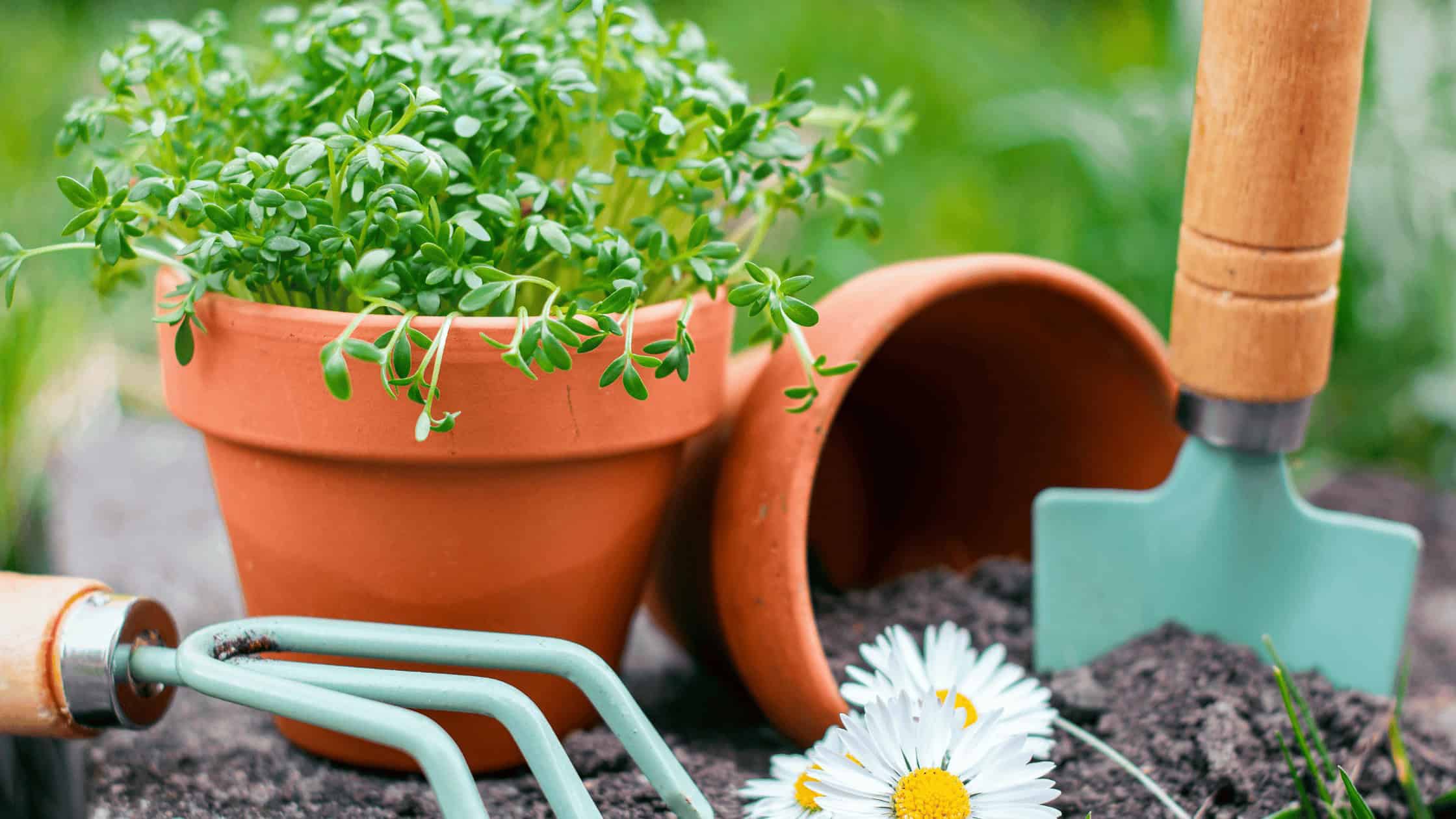
    • Annual flowers to plant in April include snapdragons, sweet William or annual dianthus, nasturtium, calendula (shown), marigold, pansy, dusty miller and sweet alyssum. Sweet alyssum and calendula are great choices of annual flowers to incorporate into vegetable garden areas, because the flowers attract pollinators that will help you get a good crop.

Plant Cool-Weather Vegetables

    • April is the perfect time to set out starts of cold-tolerant vegetables. While it’s not yet time to set out starts of heat-loving plants like tomatoes, squash, corn or peppers, by planting less-sensitive veggies now you can get a great jump on the season. Vegetables to plant now include cabbage, broccoli, cauliflower, Chinese vegetables such as pak choi, Swiss chard, carrots, beets, celery, lettuce, onions and herbs such as parsley, chervil and cilantro. Hold off on basil for now. Onion sets are available at nurseries now, and these already-sprouted starts take off quickly in the damp, cool weather.

Get Your Starts and Seedlings Going

    • A package of seeds will usually announce if the plant should be started indoors, with instructions that include various phrases. Choose the right container to start off the seeds. Be sure to select the right spot with enough light for your seeds to germinate and augment the space with grow lights or a heat mat if necessary. It’s important to keep the seeds moist, but not too wet. Gently prepare seedlings for the outdoors by hardening them off if you plan to move them into your garden.

Pull Weeds

    • April is also an important time to stay on top of weeding. While no herbicide works in cool weather, there are a number of tools that can help you weed more quickly and easily. The hori-hori, or Japanese soil knife, is an effective tool for slicing into soil and removing weeds even with a deep taproot.

Control Snails

    • You’ll want to protect your new starts and seedlings from the ravages of snails and slugs. It’s also smart to protect the shoots of emerging perennials, which are susceptible to damage. Place pet-safe iron phosphate bait around growing seedlings. Simply sprinkle a small amount of bait around new plants. Just don’t set it into piles, which can mold or be easily eaten by pets or kids. By sprinkling, you make it less likely that anyone would consume the quantities necessary to cause iron poisoning.

Happy gardening and I hope you all have a wonderful April!

Resources: Houzz.com

Posted in: Buying A Home, Home Improvement News, Home Maintenance, Portland, Real Estate Tagged: Checklist, Home Maintenance, Home Maintenance Checklist, Home Tips, Portland, Real Estate, Sean Besso, Spring, Spring Gardening, Spring Gardening Checklist

March Home Maintenance Checklist

The first day of Spring is quickly approaching – March 20th! Whether you have an hour or a weekend to spare, get your home ready for the season with the checklist below.

1. Inspect Your Home for Any Winter Damage

    • Once winter storms have passed, carefully inspect the exterior of your home and make repairs as needed. If you had an ice dam on your roof during the winter, now is the time to repair any damage it caused. Check doors and windows for any leaks and broken seals.

2. Start Removing Winter Layers

    • Swap out heavy winter bedding for lighter-weight quilts and coverlets. Also consider changing deep-pile rugs for flat-weave or natural-fiber versions for the warmer months.

3. Refresh Your Entryway

    • As the weather thaws, begin putting away heavy coats and wool hats and make room for those mucky spring boots. Clean or replace the doormat, clear off the hooks (or hangers, if you have a coat closet) and be sure to put out an umbrella holder stocked for spring showers. A clean boot tray lined with river stones will help water drain away from your footwear.

4. Dust Off Mirrors and Table Lamps

    • Use a duster or soft rags to remove dust from table lamps and wipe down mirrors with a damp microfiber cloth. These freshened-up surfaces will enhance the light throughout your space.

5. Clean Up Patio Furniture

    • Outdoor furniture can get really grimy over the winter, so be sure to give everything a good scrubbing before you start using it for the season. Launder washable outdoor cushion covers and replace worn-out pieces if needed.

6. Deep Clean Your Kitchen

    • Give your kitchen a fresh start by cleaning some of the areas we often skip during quick daily tidying: Clean small appliances; wipe grease and grime from the range hood, backsplash and light fixtures; clean grout; and vacuum hard-to-reach places (like under the stove) using an attachment.

7. Make a Garden Plan

    • Sketch out a plan and jot down ideas for this year’s plantings, as well as any ideas you have for changes to the hardscape, like putting in a new path or fence. Start some seeds indoors or pick up seedlings at your local nursery. Check botanical gardens for plant sales too, as these can be great places to find native plants that do especially well in your region.

8. Get Organized for Tax Season

    • The tax-filing deadline isn’t until April 15, but taking care of things this month will make the process a lot less stressful. Sort through paperwork, update your files and gather all important documents in one place.

I hope you find this checklist helpful as we get closer to Springtime weather! Until next month!

Resources: Houzz.com

Posted in: Buying A Home, Home Improvement News, Home Maintenance, Portland, Real Estate Tagged: Checklist, Fall, Fall Home Maintenance Checklist, Home Maintenance, Home Maintenance Checklist, Home Tips, Portland, Real Estate, Sean Besso

Winter Curb Appeal

Winter may be chilly, but your home’s curb appeal can still be warm and inviting! ❄️

Small updates like fresh porch decor, modern house numbers, and cozy lighting can make a big difference. Whether you’re preparing to sell or just want to give your home a seasonal refresh, these simple tips go a long way.

1. Freshen Up Your Front Door

    • Even just a fresh paint coat of the existing color can sometimes do the trick. Or consider giving your front door a new color. For a cohesive look, paint the door a shade darker or lighter than the home’s exterior color. For a bolder statement, use the color wheel, choosing a color the opposite of the home’s main color. For example, if the home is mostly brown, give the front door its complementary color—dark blue.

2. Add Winter-Friendly Plants to Your Porch

    • Incorporating evergreen plants and shrubs around your entryway can create a rich, green backdrop even as frosts settle in for the season. Consider potted plants like these to keep a pop of color on your porch in the winter:

      • Boxwood
      • Juniper
      • Wintergreen
      • Christmas rose
      • Blue spruce
      • Snowdrops

      If the soil in your yard is still soft, you can plant some evergreens like boxwood or spruce to add some structure to your landscaping that will last you through the colder months.

3. Update Your House Numbers

    • Swapping out address numbers takes less than an hour and only requires the new numbers, nails, and a hammer. Pick a style that complements your home’s architecture and match the finish to either the mailbox or your door hardware.

5. Upgrade Your Mailbox

    • Replace an old or rusty mailbox with a fresh and clean one.

6. Swap Out Lighting

    • If there’s room, add a hanging pendant or chandelier above the front door. Pick a fixture that’s about one-third or one-fourth the size of the front door (including the trim). Or, update the carriage lights beside the door. Boxed lanterns in a black or antique bronze finish are a nice touch.

7. Winter Landscaping

    • There are many ways to liven up the front garden, walkways and window boxes. Cold weather plants can include winter flowers such as narcissi, snow drops, and hellebores. Don’t forget to upgrade the front porch planters as well. Hardy perennials and evergreen branches, as well as the afore-mentioned mini-white lights, can liven up any drab, grey day.

8. Stage Your Porch with Weather-Resistant Outdoor Furniture

    • If you have a covered porch, stage a pair of chairs with colorful throw pillows, cozy blankets, and a textured outdoor rug to create a welcoming first impression.

9. Winterize Gutters

    • This will help prevent icicle formation. A hot lead can turn ice-cold the minute a potential buyer spots a row of pesky icicles dangling from your roof or gutters. No matter how “winter wonderland” the scene appears, it indicates that you haven’t prepared your gutters for the winter. Safely knock down icicles with a telescopic roof rake. You’ll also want to clean your gutters periodically to prevent ice dams from forming and damaging your exterior features.

10. If Applicable, Clear Away Snow

    • Potential home buyers who see an un-shoveled walkway will immediately visualize themselves in-charge of the back-breaking task. They also may feel suspicious of the hardscape’s condition if they can’t see it for themselves. Clear your walkways and driveways to prevent these negative thoughts upon arrival. Stock up on extra ice melt to keep your driveway and walkways clear and safe.

Posted in: Buying A Home, Home Improvement News, Home Maintenance, Portland, Real Estate Tagged: Home Tips, Portland, Real Estate, Sean Besso, Sean Besso Realty

Preparing Your Home for Winter Storms

Hello 2025! I hope you all had a wonderful start to your new year. With the new year, it’s hard to not look back on previous years and think about the winter storms we’ve had. This blog post is going to be filled with tasks you can easily accomplish and will hopefully relieve some stress that comes with winter storms.

1. Check Your Smoke & CO Detectors

    • Houses tend to stay sealed up for long periods of time during a winter storm. So, it’s no surprise that deaths due to accidental fires and carbon monoxide poisoning rise during prolonged winter storms. Also it’s very important to make sure that your smoke and CO detectors are in proper working order and have fresh batteries—they really are lifesavers. When you plan your alternate fuel source, check your detectors for all-around winter preparedness.

2. Plan for an Alternate Method of Heating

    • What happens if the power goes out and your primary heating source won’t work? Most furnaces and gas fireplaces require electricity so you’ll need an alternate source of heating that doesn’t require electricity like a generator or wood stove. Make sure you have plenty of wood, pellets, kindling, lighters and matches to get you through an emergency.

3. Protect Your Pipes

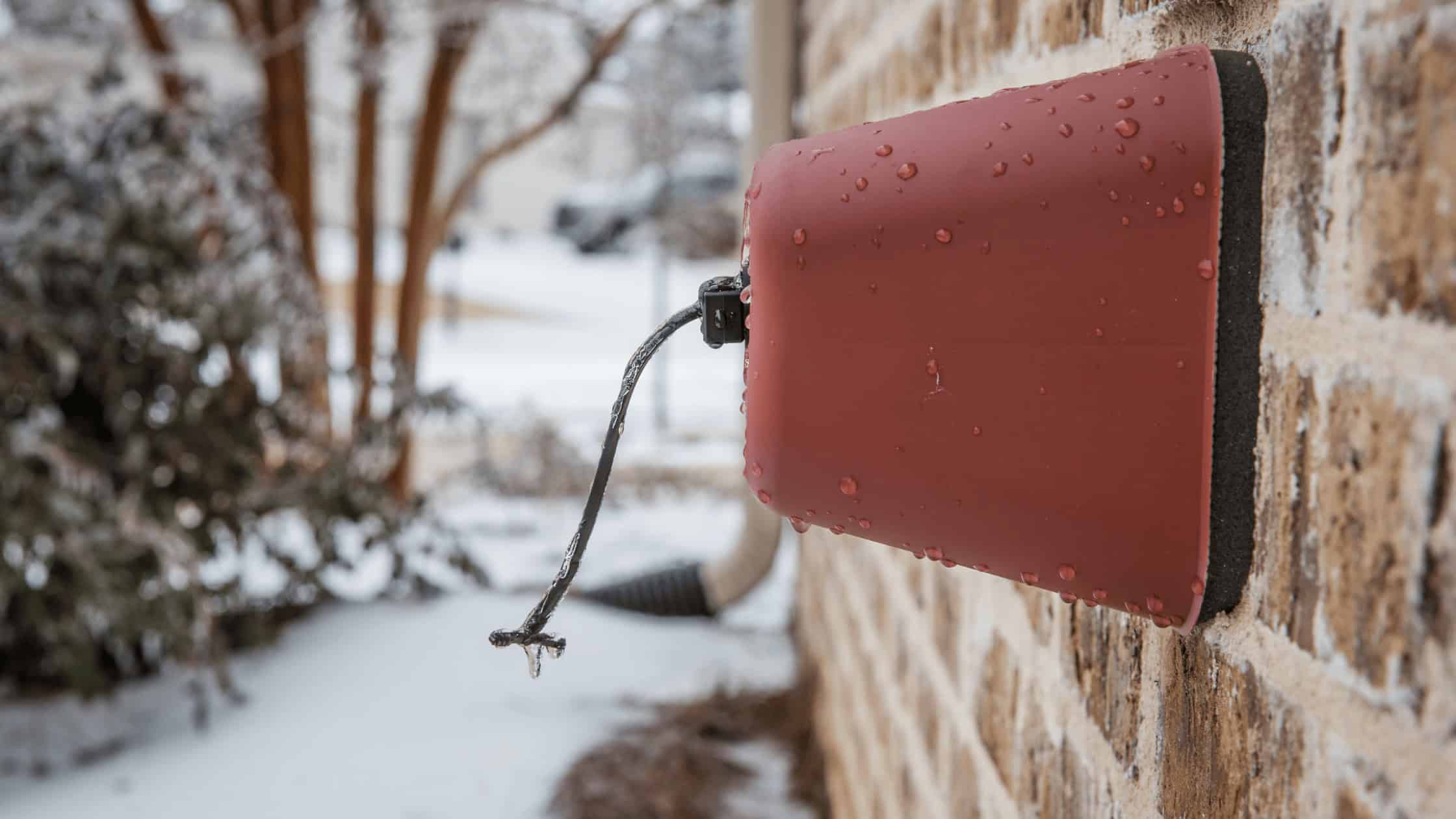
    • Temperatures can drop very low, very fast during a winter storm and that can be bad for unprotected pipes below or around your home, especially if they are exposed to low temperatures outside a home’s insulation. This can lead to frozen pipes and MASSIVE water damage. If it’s about to get especially cold, you can wrap vulnerable pipes around the house in insulation to protect them. Leaving sink cabinets open to the warm air and turning faucets onto a cold “drip” can also prevent freezing during winter storms. Remember to protect your outdoor faucets from freezing as well!

4. Remove Weak & Overhanging Branches

    • Get rid of any branches that are overhanging your roof or near your house. These branches could break away under the weight of snow and ice or because of severe winds and cause damage to your roof and other property. Any overgrown bushes or shrubs may need some trimming as well.

5. Stock Up on Ice Melt

    • When the winter storm passes, you will want a way to melt the ice that forms on your driveway, patio, sidewalk, etc. There are many different types of ice melters that contain salt, sand and other ingredients. Be particularly careful of using salt and similar compounds because too much can poison the soil and may also damage vulnerable cement, and some are poisonous to pets.

6. Insulate Walls & Attic

    • This is a proven way to reduce heat loss if your power goes out in a storm. If you’re not sure how much insulation you need, check with a professional insulation installer.

7. Fix Drafty Windows and Doors

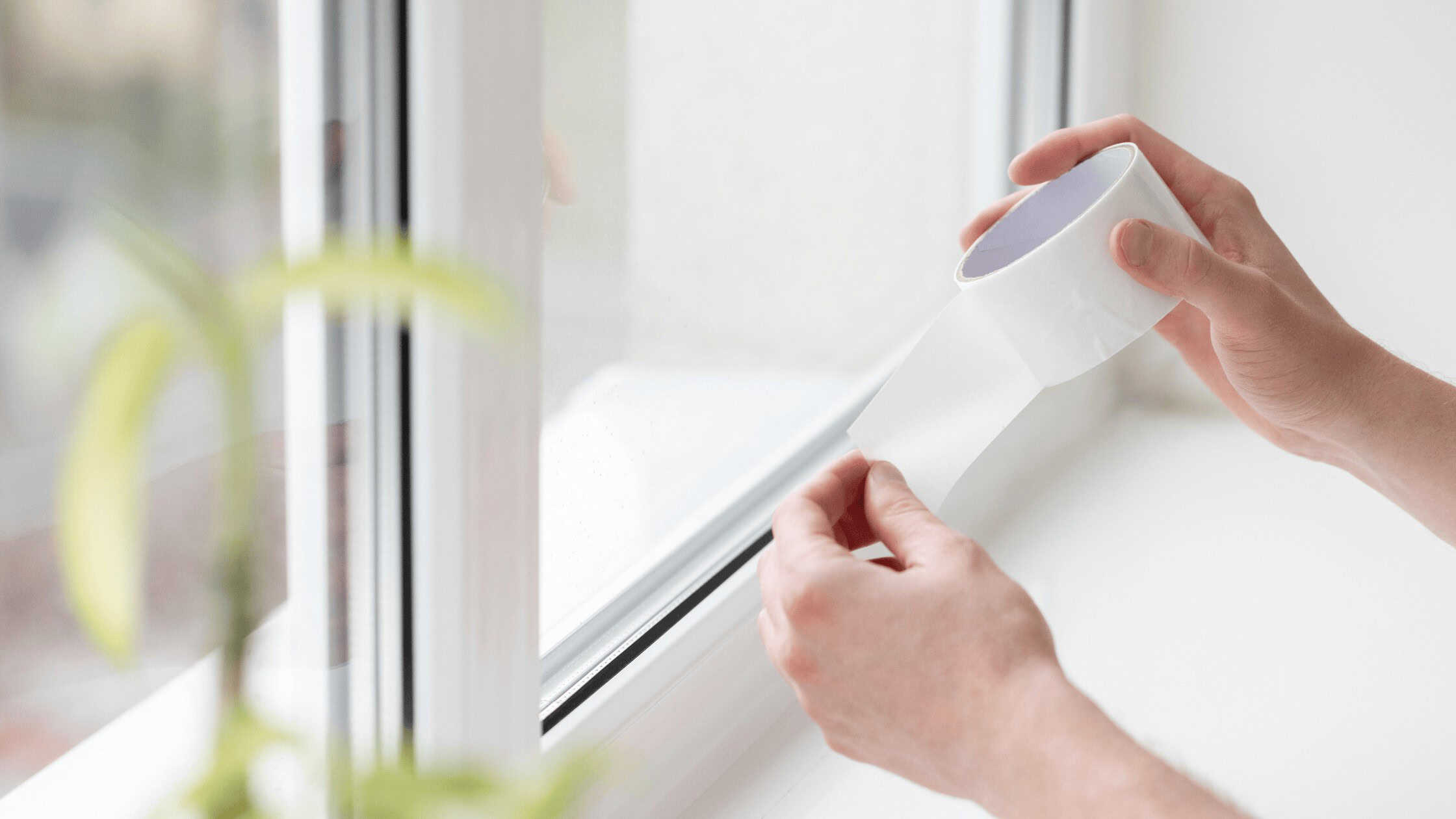
    • Do you still have that one window that won’t close all the way or a door that always seems drafty, even if shut closed? Well, it’s time to make some repairs. New weather stripping can solve many draft problems if your old weatherstripping has worn away. You may also want to consider replacing badly damaged windows or doors that may not hold up in a bad winter storm. Smaller cracks should be caulked to prevent moisture intrusion and damage.

8. Confirm Your Homeowners Insurance

    • While there are many fun winter activities to look forward to, it’s important to take steps to help ensure your safety in the event of a winter storm. Contact your insurance agent to make sure you have the right coverage to protect your home and vehicle.

9. Stock Your Food Pantry

    • Because it’s important to stay indoors and avoid traveling during a winter storm, it’s really important to make sure you are fully stocked up on food. Your pantry should include many non-perishable items so that if you lose power, you won’t have to worry about any of it spoiling. On average, aim to have enough food for at least three days. Some good foods to have on hand on before the storm starts include crackers, granola bars, canned goods, soups, hot cocoa and instant coffee, peanut butter, honey, bread, and grains (such as barley, rice or oats). Also be sure to pick up a variety of fruits that don’t need to be refrigerated, such as oranges, apples or bananas, as well as some fresh veggies. If you have pets, don’t forget to pick up food for them too.

10. Pack Emergency Kits

    • It’s a good idea to keep an emergency kit on hand and know how to prepare for a winter storm quickly, should a freeze set in. Your emergency kit should have a battery-powered radio, flashlights, candles, matches, bottled water, snacks and pet food. You should also make sure you have plenty of blankets, sleeping bags and winter clothes, in case you lose heat in your home. Consider collecting the items from this checklist for your emergency kit.

Fingers crossed this list will be useless and we won’t have to deal with any major winter storms, but better safe than sorry! Until next month!

Posted in: Buying A Home, Home Improvement News, Home Maintenance, Portland, Real Estate Tagged: Home Tips, Portland, Real Estate, Sean Besso, Sean Besso Realty

10 Dos & Don’ts When Designing a Kitchen Island

Planning a kitchen remodel? Check out these pro tips for designing a great looking and practical kitchen island.

1. Do Consider How You’ll Use the Island

    • If you like entertaining or eating everyday meals at a breakfast bar, then an island with more overhanging area and less cabinetry or storage underneath might be for you. Think about how you imagine using the bar both every day and on special occasions. Think about whether the sitting area needs to be closer to the fridge and pantry. This is another way of managing who is walking in and out of the kitchen, and who can be kept on the outside edges of the island — for safety as well as to avoid overcrowding in the kitchen.

2. Do Choose a Tough, Easy-Care Countertop Material

    • Kitchens are places of heavy traffic flow and productivity, so a good, durable natural or engineered stone for the countertop is crucial. You’ll also want it to be scratch-resistant and easy to clean — and the same goes for your cabinetry and floorboard materials. Choosing good-quality fixtures such as sinks and faucets is always preferred as they get so much use and need to last.

3. Don’t Forget Power Outlets and Appliances

    • Make sure power outlets and appliances are well-placed so they don’t dominate the appearance of the island, are easily accessed and make the functionality of all sides of the unit work really well. Consider what will be plugged in — it probably won’t just be a hand mixer, but also phone chargers, laptops and the like. A charging drawer for items such as these can be a smart inclusion.

4. Do Make the Island as Long as Possible Without a Seam

    • Slabs of stone come in a range of lengths, but if your kitchen is big enough for one measuring about 118 inches by about 36 inches, you’ll have the perfect-size island for preparing food and entertaining. The maximum length of some brands and materials is 118 inches, so if you choose such a brand or material, keep the length at 118 inches or less, so the countertop can be made in one piece without a seam. Seams on islands are not aesthetically pleasing, so avoid this if you can. A minimum width of about 36 inches will enable you to have bar stools at the back of the island, so your family and friends can perch there to eat or marvel at your cooking.

5. Do Get the Proportions Right

    • Getting the proportions of your island correct lets you work efficiently in the space and ensures that traffic flow is maintained.
      Some key measurements to follow:

      • You want a minimum of 39 inches circulation space around the island.
      • The overall height of the island should be between 36 and 37 inches.
      • The minimum island width would ideally be about 36 inches and the length would be about 47 inches.
      • The countertop should be between three-fourths-inch and about 3 inches thick.
      • If you want to include bar stools around the island, you’ll need 12 inches of under-countertop space.

6. Do Consider Alternatives if You Don’t Have the Room

    • An island that’s too small will result in a cramped workspace, rendering it useless, so ensure you have enough room for it. If you’re working with a smaller space, a better option may be a peninsula unit, which has one short end butted up against a wall.

7. Do Mix Materials

    • Too many kitchens have enormous islands that might provide a lot of countertop space but effectively take over the room and look like a big lump in the middle. Using different materials can break down the scale of an island. However, balance is key — too many materials and details start to look messy and fussy. When you’re choosing materials and colors for your island, make sure they harmonize with any hues in the adjoining rooms.

8. Do Integrate Generous Drawers and a Pull-Out Bin

    • For functionality purposes, it’s a good idea to have your utensil drawer on the island and potentially your bowls and plates too. This gives easy access to the important everyday items you usually use an island for, such as serving up food. Having your trash bin integrated into the island just below your work surface is another important functional element, as it allows you to scrape the scraps straight into the garbage. It also helps you stay part of the action with family or friends when cleaning up the kitchen, as you’re facing them and helps keep your floor mess-free.

9. Do Prioritize Functionality

    • Think about how you’ll be working in the space and include functional fixtures and storage to suit. If this is going to be your main preparation area, include plenty of clear countertop space and easy access to knives and chopping boards. Also ensure that your trash bin and sink are close by.

10. Don’t Be Afraid to Be Bold

    • An island can be a great place to make a statement, so if you’re eyeing some feature cabinetry or a bold cabinetry, then consider this your place to use it.

I hope you all had a wonderful Thanksgiving with your family and friends! Until next month!

Resources: Houzz.com

Posted in: Buying A Home, Home Improvement News, Home Maintenance, Portland, Real Estate Tagged: Home Tips, Portland, Real Estate, Sean Besso, Sean Besso Realty

Posts navigation

  • 1
  • 2
  • 3
  • 4
  • Next Page »

Quick Search

About Sean Besso

Whether you are an experienced investor or a first time buyer, I can help you in finding the property of your dreams. Feel free to browse through my profile and please don't hesitate to reach out for any of your real estate needs! Meet Sean...

Client Reviews

Impressed with his social, professional and articulate manners. Very responsive to requests. Easily explains situations and information in a format that can be quickly understood and processed by individuals outside of the real estate profession. Enjoyed the experience and learned so much.
- Dan Shoop


More Testimonials

Get in Touch

Sean Besso Broker
Licensed in the State of Oregon
2207 NE Broadway Ste. 100
Portland, OR 97232
Call Us: (503) 444-9008
© 2026 · Sean Besso Broker

Privacy

Privacy Policy | Sitemap | DMCA

Agent Reputation | Real Estate Website Design

Marketing | Order Order
Log in