seanbessorealty@gmail.com
    (503) 353-6673

Sean Besso RealtySean Besso Realty

Oregon Real Estate Lives Here

  • About
    • Sean Besso
    • Online Reviews
    • Leave Feedback
  • Buyers
  • Sellers
  • Communities
    • Beaverton
    • Downtown & the Pearl District
    • Happy Valley & Clackamas
    • NE Portland
    • North Portland
    • NW Portland
    • Oregon City
    • SE Portland
    • SW Portland
    • West Linn
  • Blog

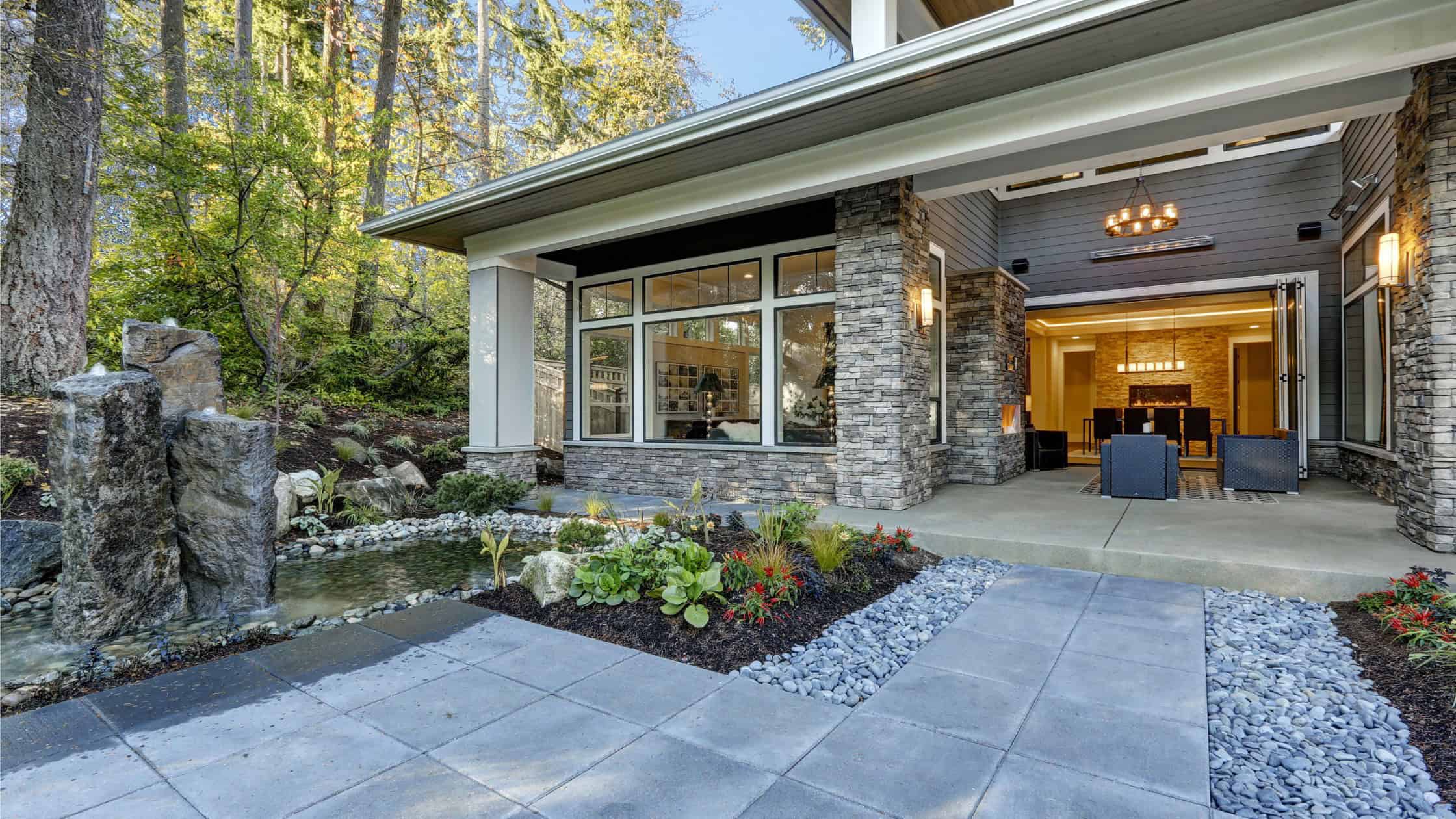
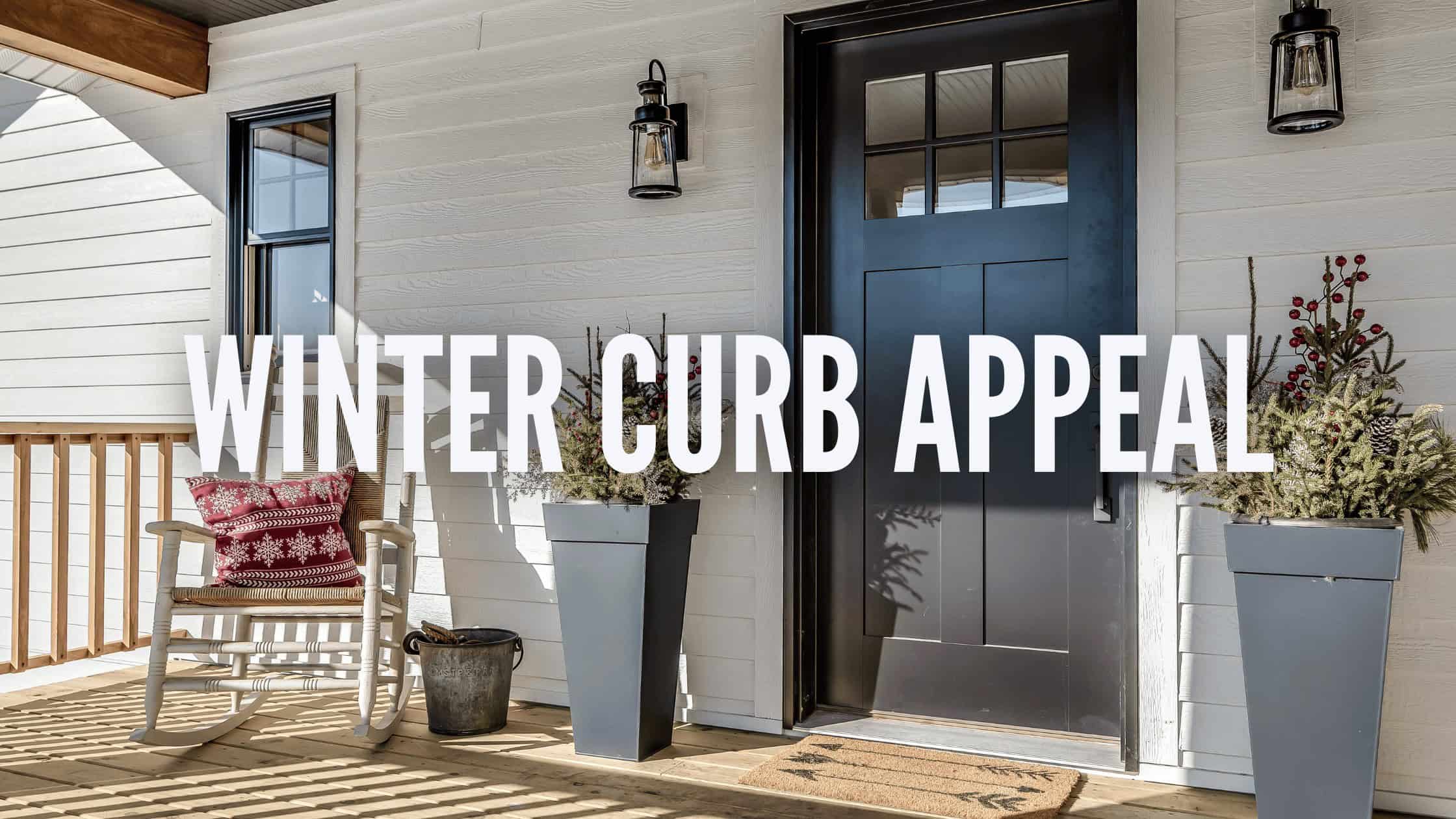
Winter Curb Appeal

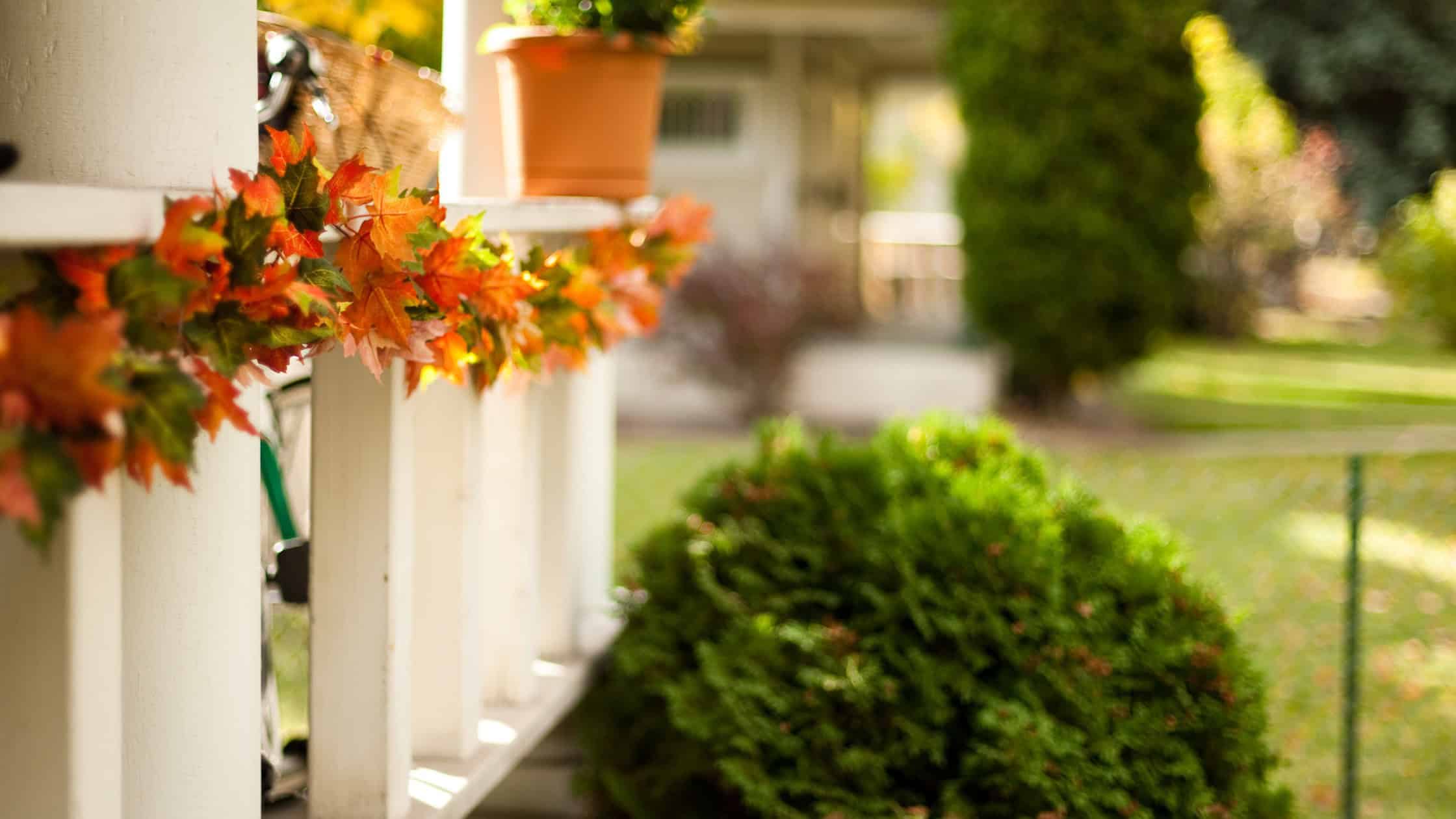
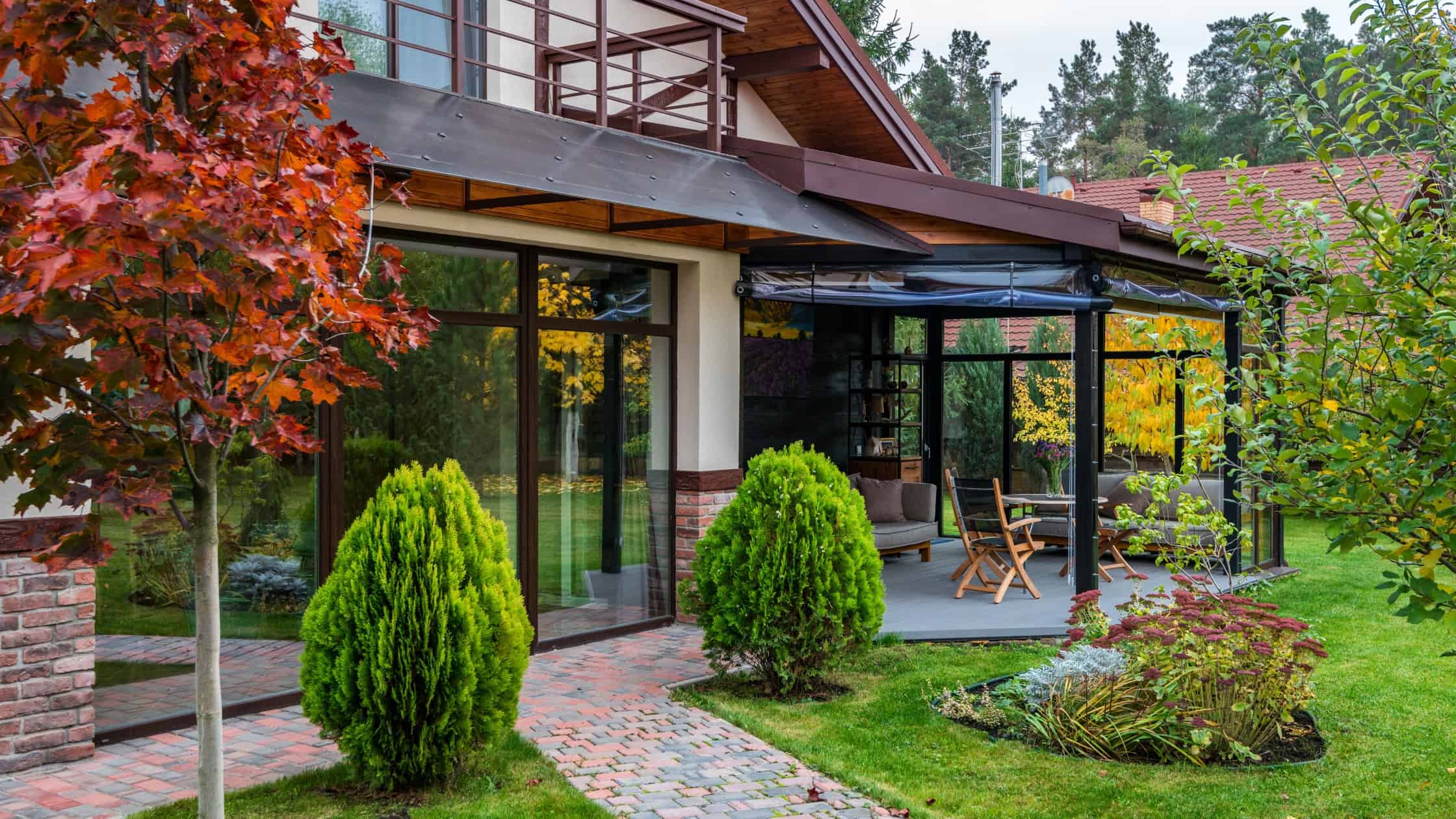
Winter may be chilly, but your home’s curb appeal can still be warm and inviting! ❄️

Small updates like fresh porch decor, modern house numbers, and cozy lighting can make a big difference. Whether you’re preparing to sell or just want to give your home a seasonal refresh, these simple tips go a long way.

1. Freshen Up Your Front Door

    • Even just a fresh paint coat of the existing color can sometimes do the trick. Or consider giving your front door a new color. For a cohesive look, paint the door a shade darker or lighter than the home’s exterior color. For a bolder statement, use the color wheel, choosing a color the opposite of the home’s main color. For example, if the home is mostly brown, give the front door its complementary color—dark blue.

2. Add Winter-Friendly Plants to Your Porch

    • Incorporating evergreen plants and shrubs around your entryway can create a rich, green backdrop even as frosts settle in for the season. Consider potted plants like these to keep a pop of color on your porch in the winter:

      • Boxwood
      • Juniper
      • Wintergreen
      • Christmas rose
      • Blue spruce
      • Snowdrops

      If the soil in your yard is still soft, you can plant some evergreens like boxwood or spruce to add some structure to your landscaping that will last you through the colder months.

3. Update Your House Numbers

    • Swapping out address numbers takes less than an hour and only requires the new numbers, nails, and a hammer. Pick a style that complements your home’s architecture and match the finish to either the mailbox or your door hardware.
5. Upgrade Your Mailbox

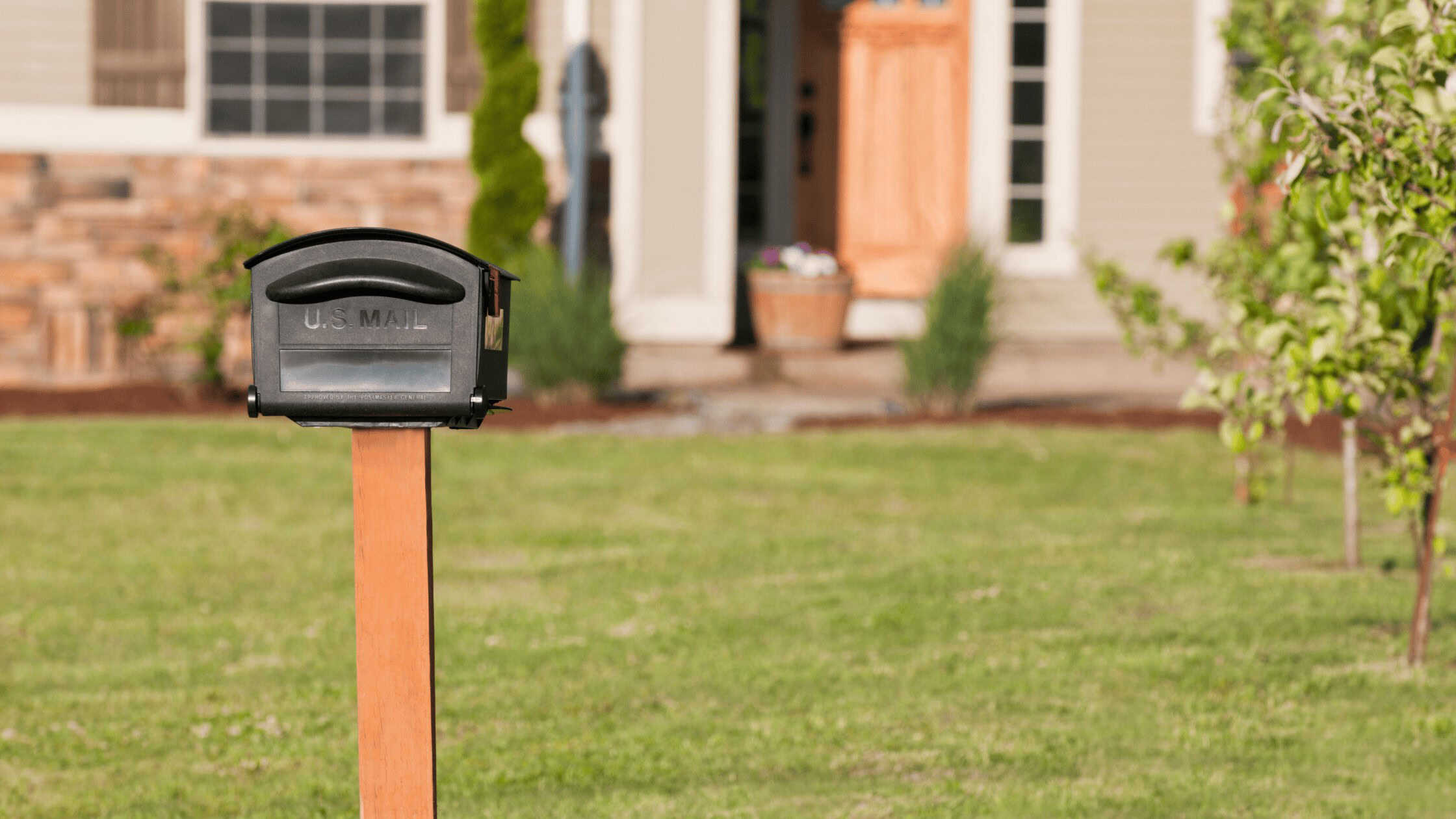
    • Replace an old or rusty mailbox with a fresh and clean one.

6. Swap Out Lighting

    • If there’s room, add a hanging pendant or chandelier above the front door. Pick a fixture that’s about one-third or one-fourth the size of the front door (including the trim). Or, update the carriage lights beside the door. Boxed lanterns in a black or antique bronze finish are a nice touch.

7. Winter Landscaping

    • There are many ways to liven up the front garden, walkways and window boxes. Cold weather plants can include winter flowers such as narcissi, snow drops, and hellebores. Don’t forget to upgrade the front porch planters as well. Hardy perennials and evergreen branches, as well as the afore-mentioned mini-white lights, can liven up any drab, grey day.
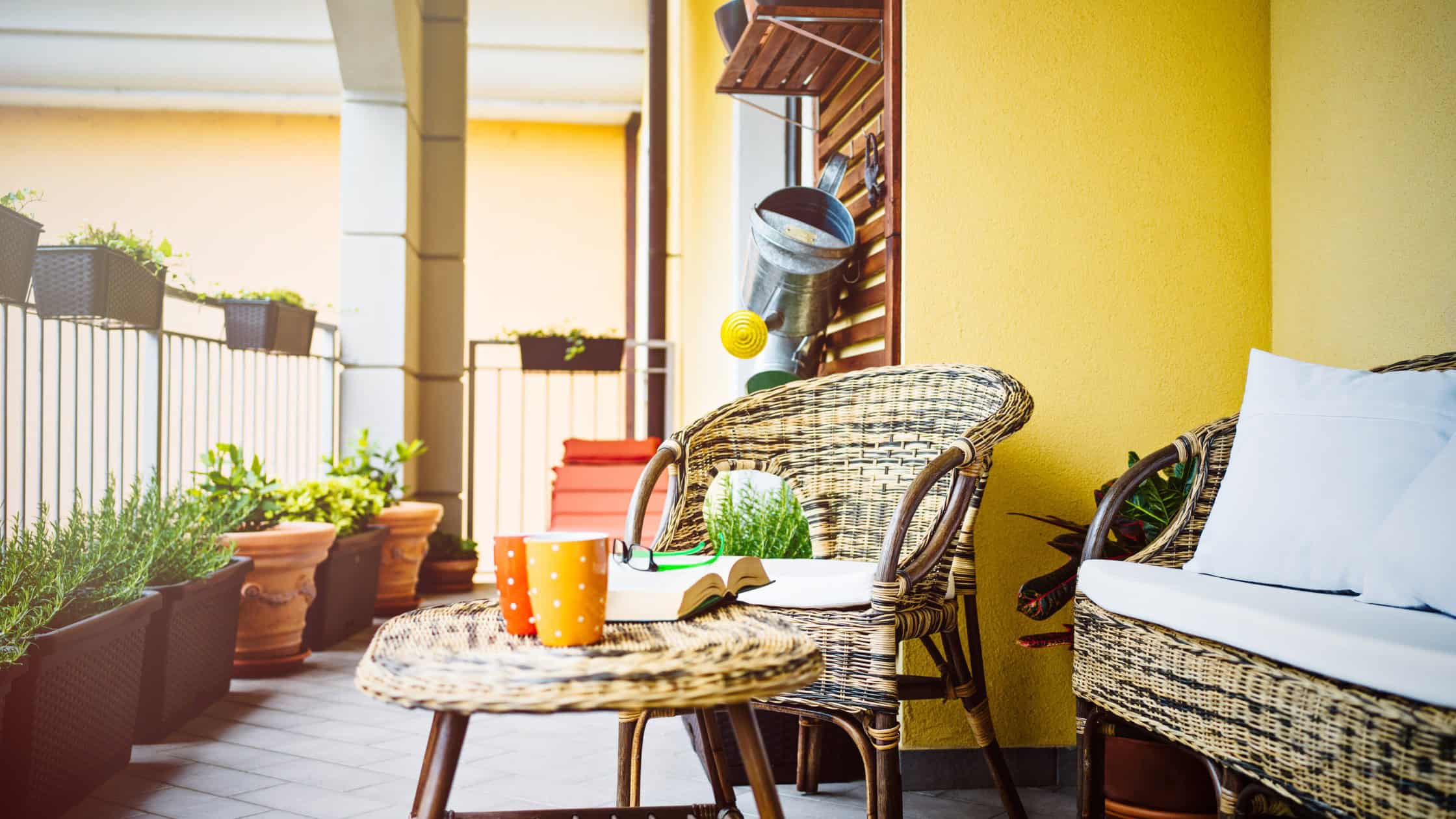
8. Stage Your Porch with Weather-Resistant Outdoor Furniture

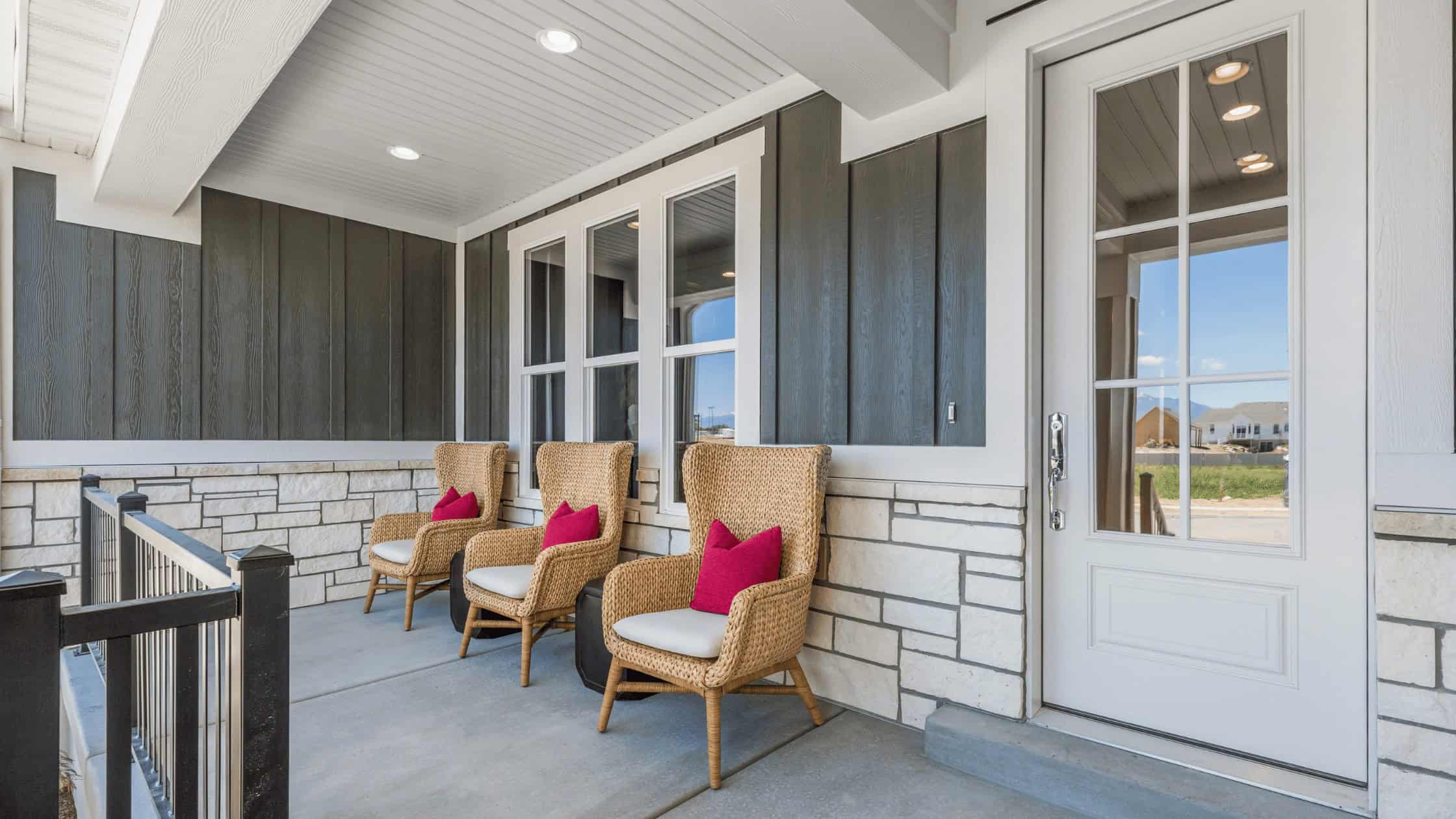
    • If you have a covered porch, stage a pair of chairs with colorful throw pillows, cozy blankets, and a textured outdoor rug to create a welcoming first impression.

9. Winterize Gutters

    • This will help prevent icicle formation. A hot lead can turn ice-cold the minute a potential buyer spots a row of pesky icicles dangling from your roof or gutters. No matter how “winter wonderland” the scene appears, it indicates that you haven’t prepared your gutters for the winter. Safely knock down icicles with a telescopic roof rake. You’ll also want to clean your gutters periodically to prevent ice dams from forming and damaging your exterior features.

10. If Applicable, Clear Away Snow

    • Potential home buyers who see an un-shoveled walkway will immediately visualize themselves in-charge of the back-breaking task. They also may feel suspicious of the hardscape’s condition if they can’t see it for themselves. Clear your walkways and driveways to prevent these negative thoughts upon arrival. Stock up on extra ice melt to keep your driveway and walkways clear and safe.

Posted in: Buying A Home, Home Improvement News, Home Maintenance, Portland, Real Estate Tagged: Home Tips, Portland, Real Estate, Sean Besso, Sean Besso Realty

Preparing Your Home for Winter Storms

Hello 2025! I hope you all had a wonderful start to your new year. With the new year, it’s hard to not look back on previous years and think about the winter storms we’ve had. This blog post is going to be filled with tasks you can easily accomplish and will hopefully relieve some stress that comes with winter storms.

1. Check Your Smoke & CO Detectors

    • Houses tend to stay sealed up for long periods of time during a winter storm. So, it’s no surprise that deaths due to accidental fires and carbon monoxide poisoning rise during prolonged winter storms. Also it’s very important to make sure that your smoke and CO detectors are in proper working order and have fresh batteries—they really are lifesavers. When you plan your alternate fuel source, check your detectors for all-around winter preparedness.

2. Plan for an Alternate Method of Heating

    • What happens if the power goes out and your primary heating source won’t work? Most furnaces and gas fireplaces require electricity so you’ll need an alternate source of heating that doesn’t require electricity like a generator or wood stove. Make sure you have plenty of wood, pellets, kindling, lighters and matches to get you through an emergency.

3. Protect Your Pipes

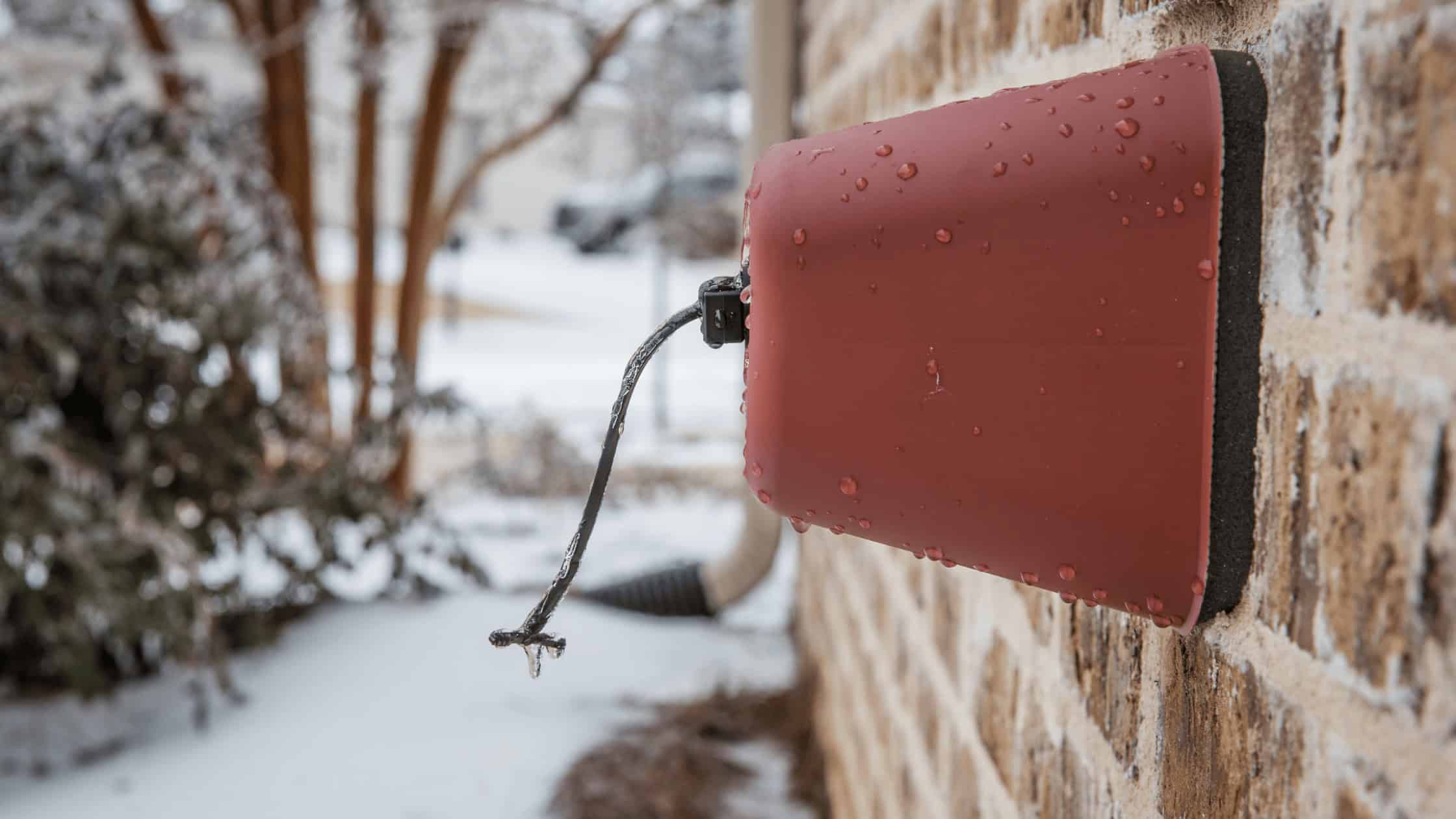
    • Temperatures can drop very low, very fast during a winter storm and that can be bad for unprotected pipes below or around your home, especially if they are exposed to low temperatures outside a home’s insulation. This can lead to frozen pipes and MASSIVE water damage. If it’s about to get especially cold, you can wrap vulnerable pipes around the house in insulation to protect them. Leaving sink cabinets open to the warm air and turning faucets onto a cold “drip” can also prevent freezing during winter storms. Remember to protect your outdoor faucets from freezing as well!

4. Remove Weak & Overhanging Branches

    • Get rid of any branches that are overhanging your roof or near your house. These branches could break away under the weight of snow and ice or because of severe winds and cause damage to your roof and other property. Any overgrown bushes or shrubs may need some trimming as well.

5. Stock Up on Ice Melt

    • When the winter storm passes, you will want a way to melt the ice that forms on your driveway, patio, sidewalk, etc. There are many different types of ice melters that contain salt, sand and other ingredients. Be particularly careful of using salt and similar compounds because too much can poison the soil and may also damage vulnerable cement, and some are poisonous to pets.

6. Insulate Walls & Attic

    • This is a proven way to reduce heat loss if your power goes out in a storm. If you’re not sure how much insulation you need, check with a professional insulation installer.

7. Fix Drafty Windows and Doors

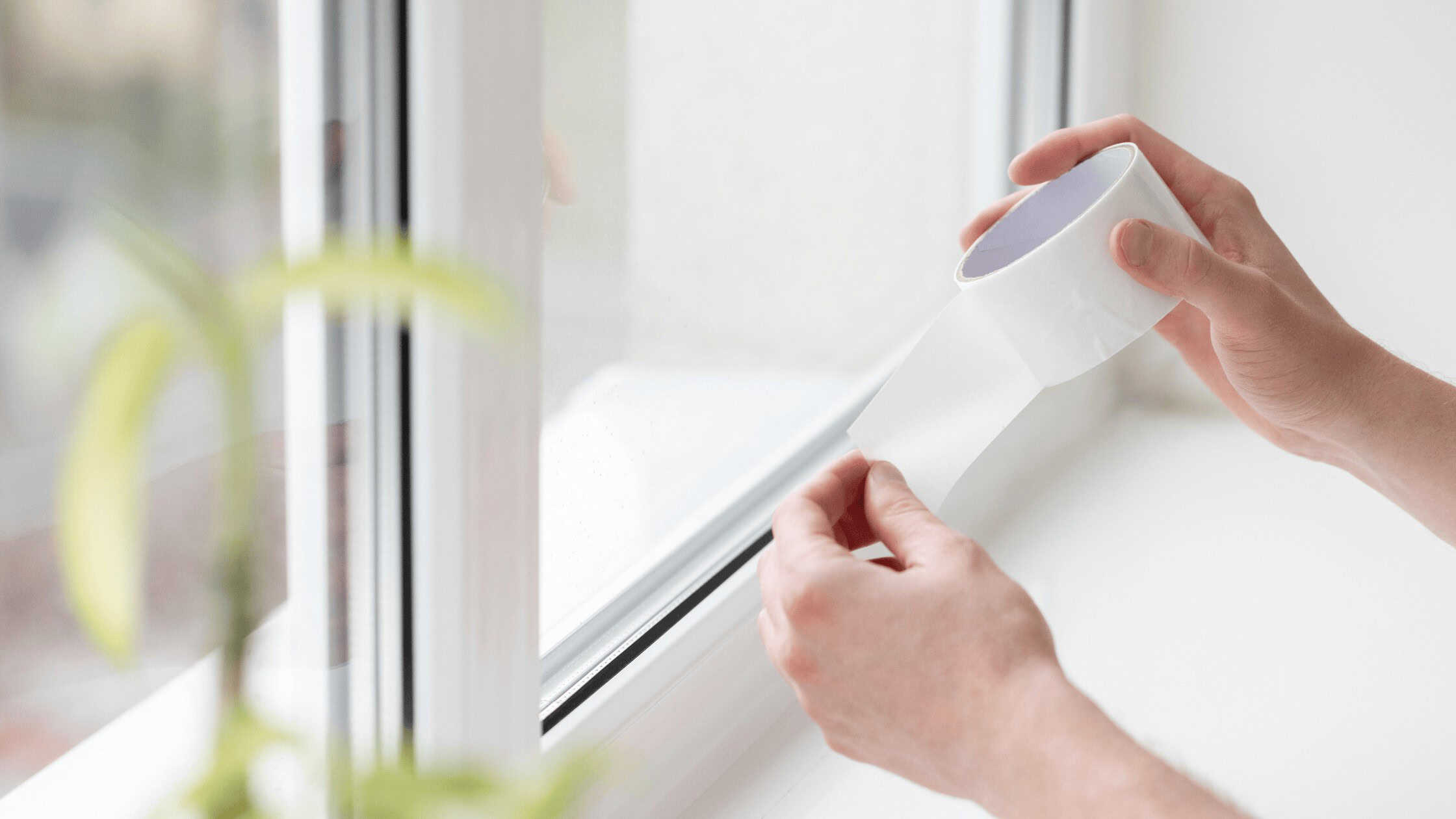
    • Do you still have that one window that won’t close all the way or a door that always seems drafty, even if shut closed? Well, it’s time to make some repairs. New weather stripping can solve many draft problems if your old weatherstripping has worn away. You may also want to consider replacing badly damaged windows or doors that may not hold up in a bad winter storm. Smaller cracks should be caulked to prevent moisture intrusion and damage.

8. Confirm Your Homeowners Insurance

    • While there are many fun winter activities to look forward to, it’s important to take steps to help ensure your safety in the event of a winter storm. Contact your insurance agent to make sure you have the right coverage to protect your home and vehicle.

9. Stock Your Food Pantry

    • Because it’s important to stay indoors and avoid traveling during a winter storm, it’s really important to make sure you are fully stocked up on food. Your pantry should include many non-perishable items so that if you lose power, you won’t have to worry about any of it spoiling. On average, aim to have enough food for at least three days. Some good foods to have on hand on before the storm starts include crackers, granola bars, canned goods, soups, hot cocoa and instant coffee, peanut butter, honey, bread, and grains (such as barley, rice or oats). Also be sure to pick up a variety of fruits that don’t need to be refrigerated, such as oranges, apples or bananas, as well as some fresh veggies. If you have pets, don’t forget to pick up food for them too.

10. Pack Emergency Kits

    • It’s a good idea to keep an emergency kit on hand and know how to prepare for a winter storm quickly, should a freeze set in. Your emergency kit should have a battery-powered radio, flashlights, candles, matches, bottled water, snacks and pet food. You should also make sure you have plenty of blankets, sleeping bags and winter clothes, in case you lose heat in your home. Consider collecting the items from this checklist for your emergency kit.

Fingers crossed this list will be useless and we won’t have to deal with any major winter storms, but better safe than sorry! Until next month!

Posted in: Buying A Home, Home Improvement News, Home Maintenance, Portland, Real Estate Tagged: Home Tips, Portland, Real Estate, Sean Besso, Sean Besso Realty

10 Dos & Don’ts When Designing a Kitchen Island

Planning a kitchen remodel? Check out these pro tips for designing a great looking and practical kitchen island.

1. Do Consider How You’ll Use the Island

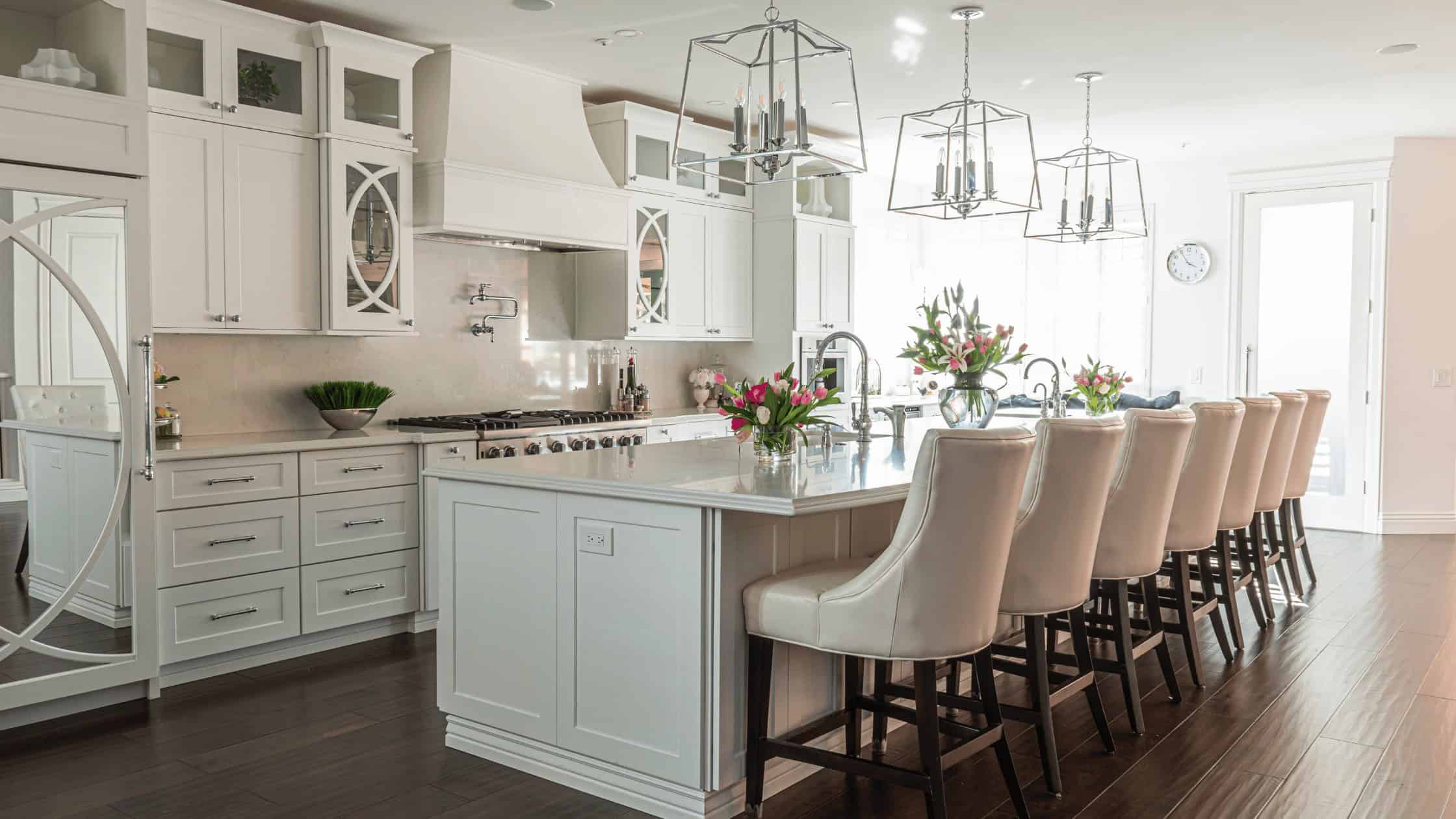
    • If you like entertaining or eating everyday meals at a breakfast bar, then an island with more overhanging area and less cabinetry or storage underneath might be for you. Think about how you imagine using the bar both every day and on special occasions. Think about whether the sitting area needs to be closer to the fridge and pantry. This is another way of managing who is walking in and out of the kitchen, and who can be kept on the outside edges of the island — for safety as well as to avoid overcrowding in the kitchen.

2. Do Choose a Tough, Easy-Care Countertop Material

    • Kitchens are places of heavy traffic flow and productivity, so a good, durable natural or engineered stone for the countertop is crucial. You’ll also want it to be scratch-resistant and easy to clean — and the same goes for your cabinetry and floorboard materials. Choosing good-quality fixtures such as sinks and faucets is always preferred as they get so much use and need to last.

3. Don’t Forget Power Outlets and Appliances

    • Make sure power outlets and appliances are well-placed so they don’t dominate the appearance of the island, are easily accessed and make the functionality of all sides of the unit work really well. Consider what will be plugged in — it probably won’t just be a hand mixer, but also phone chargers, laptops and the like. A charging drawer for items such as these can be a smart inclusion.

4. Do Make the Island as Long as Possible Without a Seam

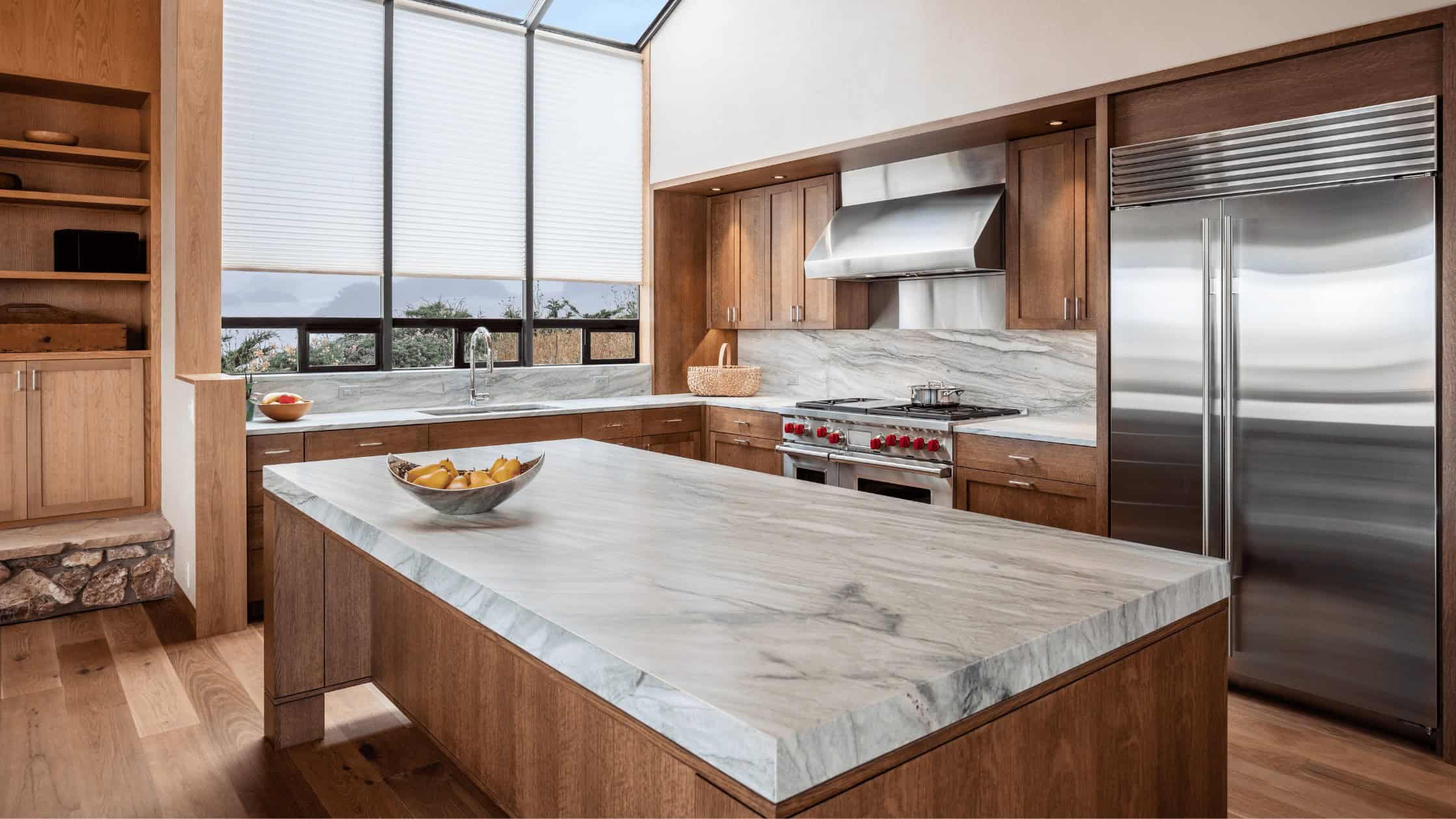
    • Slabs of stone come in a range of lengths, but if your kitchen is big enough for one measuring about 118 inches by about 36 inches, you’ll have the perfect-size island for preparing food and entertaining. The maximum length of some brands and materials is 118 inches, so if you choose such a brand or material, keep the length at 118 inches or less, so the countertop can be made in one piece without a seam. Seams on islands are not aesthetically pleasing, so avoid this if you can. A minimum width of about 36 inches will enable you to have bar stools at the back of the island, so your family and friends can perch there to eat or marvel at your cooking.

5. Do Get the Proportions Right

    • Getting the proportions of your island correct lets you work efficiently in the space and ensures that traffic flow is maintained.
      Some key measurements to follow:

      • You want a minimum of 39 inches circulation space around the island.
      • The overall height of the island should be between 36 and 37 inches.
      • The minimum island width would ideally be about 36 inches and the length would be about 47 inches.
      • The countertop should be between three-fourths-inch and about 3 inches thick.
      • If you want to include bar stools around the island, you’ll need 12 inches of under-countertop space.

6. Do Consider Alternatives if You Don’t Have the Room

    • An island that’s too small will result in a cramped workspace, rendering it useless, so ensure you have enough room for it. If you’re working with a smaller space, a better option may be a peninsula unit, which has one short end butted up against a wall.

7. Do Mix Materials

    • Too many kitchens have enormous islands that might provide a lot of countertop space but effectively take over the room and look like a big lump in the middle. Using different materials can break down the scale of an island. However, balance is key — too many materials and details start to look messy and fussy. When you’re choosing materials and colors for your island, make sure they harmonize with any hues in the adjoining rooms.

8. Do Integrate Generous Drawers and a Pull-Out Bin

    • For functionality purposes, it’s a good idea to have your utensil drawer on the island and potentially your bowls and plates too. This gives easy access to the important everyday items you usually use an island for, such as serving up food. Having your trash bin integrated into the island just below your work surface is another important functional element, as it allows you to scrape the scraps straight into the garbage. It also helps you stay part of the action with family or friends when cleaning up the kitchen, as you’re facing them and helps keep your floor mess-free.

9. Do Prioritize Functionality

    • Think about how you’ll be working in the space and include functional fixtures and storage to suit. If this is going to be your main preparation area, include plenty of clear countertop space and easy access to knives and chopping boards. Also ensure that your trash bin and sink are close by.

10. Don’t Be Afraid to Be Bold

    • An island can be a great place to make a statement, so if you’re eyeing some feature cabinetry or a bold cabinetry, then consider this your place to use it.

I hope you all had a wonderful Thanksgiving with your family and friends! Until next month!

Resources: Houzz.com

Posted in: Buying A Home, Home Improvement News, Home Maintenance, Portland, Real Estate Tagged: Home Tips, Portland, Real Estate, Sean Besso, Sean Besso Realty

5 Homebuying Tips

It’s best to be prepared before purchasing a home, especially in today’s market! These five helpful tips will help get you started on your homeownership journey.

1. Look at Your Credit

    • One of the first things you should do when beginning the home buying process is to review your credit score. The minimum credit score for most mortgages is around 620.

2. Manage Your Debt

    • After you’ve looked at your credit, see what outstanding debt you have and chip away at it as soon as possible. You can also reach out to a credit counselor to help assist you in managing your debt. They help create a budget and repay your debt.

3. Contact a Mortgage Lender

    • Don’t know any mortgage lenders? Lucky for you, I have multiple resources to help you find a lender that fits your needs. Once you’ve established a mortgage lender, they assist you during the pre-approval process and figure out which loan product works best for you.

4. Put Together a Budget

    • Review your income and expenses. This will help determine how much room you have in your budget for set aside for a downpayment and it’ll help determine what you can comfortably afford when it comes to your monthly mortgage payments. Be sure to consider closing costs and private mortgage insurance (if your downpayment is less than 20%).

5. Consider Low-Downpayment Options

    • There are a ton of various loan products that don’t require 20% or more for a downpayment. Contact your lender (or I can help you find a mortgage lender) and see what options are available for your specific situation.

Bonus Tip: Find a knowledgeable, professional and experienced real estate agent – Like me!

Can’t believe October is right around the corner. I hope you all enjoyed your Summer and have a great Autumn!

Posted in: Buying A Home, Home Improvement News, Home Maintenance, Portland, Real Estate Tagged: Home Tips, Portland, Real Estate, Sean Besso, Sean Besso Realty

Garden Survival 101: How to Deal with a Heat Wave

As most gardeners know, hot temperatures can cause major stress and sunburn to our outdoor plants. Below are some five tips to keep your plants thriving in the summer heat and hopefully, these methods will decrease any heat wave damage done to your garden. 

Definitions of what constitutes a heat wave vary, with most stating that it’s a period of abnormally high temperatures for that particular region. Some specify that a heat wave lasts at least two days, while others begin at five days. One definition I found stated that a heat wave is when temperatures are 9 degrees Fahrenheit above the average high.

​Plants in containers are most susceptible to extreme heat, as the air temperatures can “cook” the roots as well as the tops. Shallow-rooted plants such as annuals are particularly sensitive to the effects of a heat wave, while most succulents are fairly tolerant.

Now, let’s start with the most important tip –

TIP #1: Water, Water, and More Water

    • High temperatures increase the rate that water is lost to the atmosphere from a plant’s leaves, resulting in wilting and sunburn damage. You’ll need to increase the amount of supplemental irrigation that they receive. It’s best to do this the day before the heat wave arrives. When you water your plants is also important. Irrigating them in the middle of a hot day isn’t effective, as your shrubs and perennials are devoting all their energy to dealing with surviving the heat, not to taking up water. The best time to water plants is early in the morning, when temperatures are lower, which will help carry them through the day. Avoid overwatering, which is also harmful to plants. If the soil is soggy, skip the extra watering session, as it will do more harm than good.

TIP #2: Shade is Your Garden’s New BFF

    • On a hot summer’s day, we all look for a shady spot where temperatures are a few degrees lower. Unfortunately, plants can’t move toward the shade, but we can bring it to them. Nurseries and big-box stores carry landscape burlap and shade cloth, which can be placed on top of plants to screen them from the sun. Other temporary shade methods include using a portable shade canopy to shield an area of the garden from the sun. Even a single patio chair can protect a low-growing plant. If you have container plants, place them on rollers so that you can move them as needed to a shady area.

TIP #3: Avoid Pruning

    • It’s tempting to prune away sunburned growth, as it isn’t attractive, but put away those pruners. Although the outer foliage may be damaged, it’s protecting the interior of the plant by providing shade. Wait to prune away sun-damaged growth until temperatures return to normal. For extra safety, wait until summer is almost over before pruning away in case of the arrival of another heat wave.

TIP #4: Add a Layer of Mulch

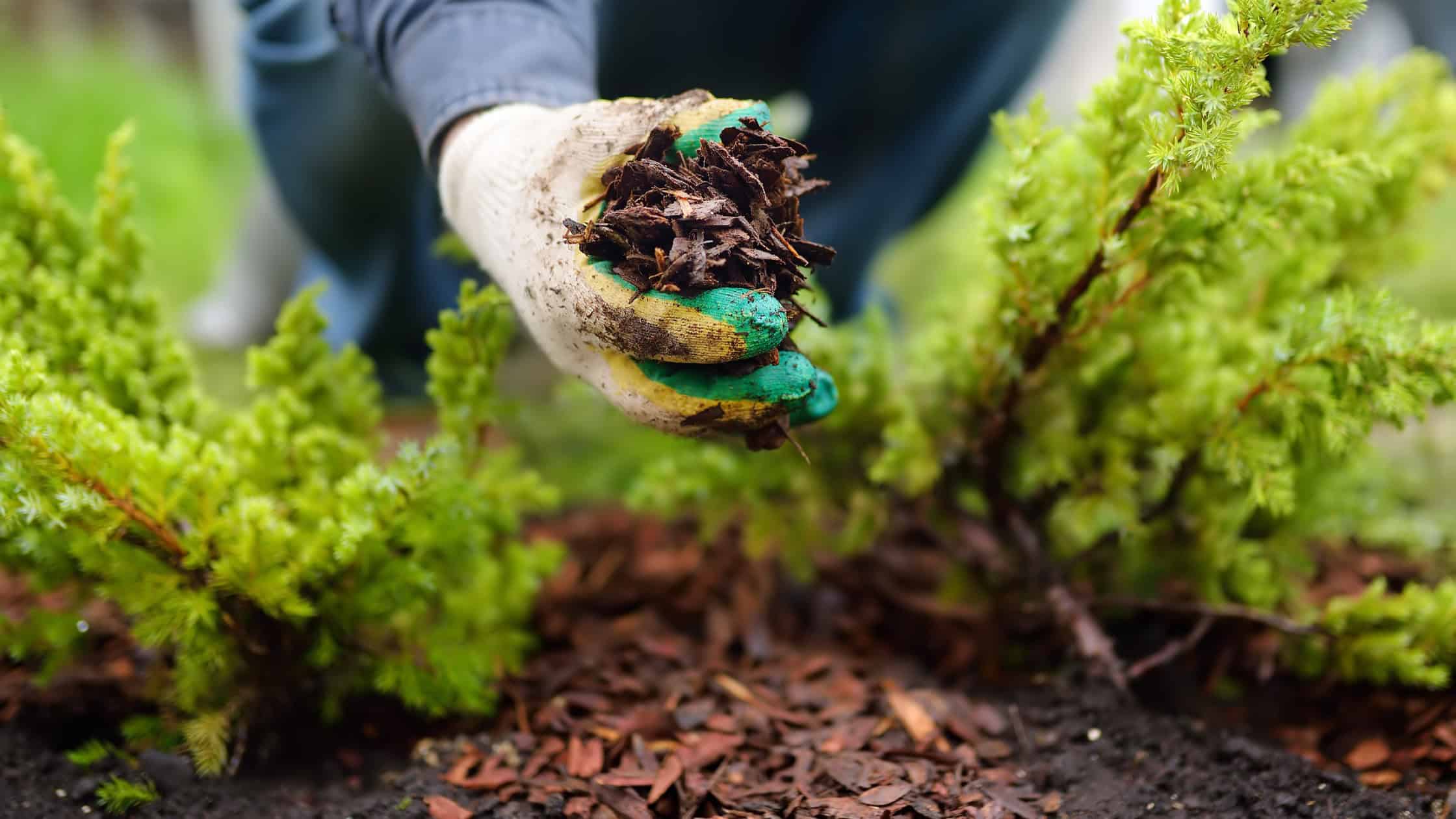
    • Hot temperatures don’t affect just the parts of the plant that are above the ground; they also impact the roots. Adding a layer of mulch around trees, shrubs and ground covers will help keep the soil several degrees cooler while preventing it from drying out. Apply mulch about 3 inches thick around your plants, spreading it to the drip line (where the branches extend out to) and taking care to keep it 6 inches away from the trunks of trees.

TIP #5: Skip the Fertilizer 

    • As we talked about earlier, plants devote all their resources to surviving a heat wave. Because of this, they can’t spare the energy to take up fertilizer, which remains in the soil and can “burn” the plant. After the scorching weather has abated, go ahead and resume your regular fertilizing schedule.

Stay cool this upcoming week! Until next month!

Resources: Houzz.com

Posted in: Buying A Home, Home Improvement News, Home Maintenance, Portland, Real Estate Tagged: Home Tips, Portland, Real Estate, Sean Besso, Sean Besso Realty, Summer

Ways to Cool Down Your Home Without Central Air

Whether your home has central air conditioning or not, these helpful tips will keep you cool these summer months and save on energy bills. 

1. Air Circulation

    • A great way to get air circulating is by forcing air flow with a fan/box fan in your window. Night cooling also helps to naturally decrease the temperature in your house and exchange hot interior air for cooler outdoor air. Ceiling fans and standing fans placed near windows at night can help force the air movement when there is no breeze and a small temperature difference. During the day the added air movement from fans can help the perception of heat, which is tied to humidity.

2. Block the Sun from Reaching Your Windows

    • The more shading you can include on the outside, the better. Consider a simple overhang made with brackets and wood slats to block your windows from the intense summer sun. Solar-control window films can offer UV protection and reduce the amount of heat gained from solar radiation. Compared with some elaborate shading systems, these could be a less expensive alternative. Even simple bamboo blinds can block a good portion of sunlight without completely sacrificing daylight.

3. Add Interior Drapes, Blinds or Shades

    • Once the heat from the sun’s rays passes through the glass of a window, that heat is in the house and will need to be ventilated to escape. To keep your floors and walls from soaking up that heat from direct rays and emitting it throughout the day, it can help to add another layer of protection between the window and the main thermal mass of your home. Sheer window treatments are a nice way to mitigate direct sun rays to the floor but maintain soft, natural daylight. Plus, white reflects sunlight better than colors.

4. Transition Your Bed Into Summer Mode

    • I don’t know about you, but I feel summer heat the most when I’m trying to sleep. Reduce the amount of bedding you have and stick to natural fabrics like linen or 100 percent cotton. Synthetic blends don’t breathe enough to release all the heat we generate during the night. Have a porch or balcony? Consider transitioning it into a sleeping porch. Depending on your home or apartment and security concerns, you may have a little exterior screened-in space that can be used like a sleeping porch. You could have a little daybed with light linens for nights when it’s comfortable enough to sleep in open air.

5. Turn Off Major Appliances During the Day

    • To help maintain those cooler temperatures during the day, reduce anything that generates heat in your house or apartment. For example, don’t use the dryer or oven and try not to open the fridge too often. The more you open it, the more the motor has to work to cool it down again, and the heat generated from that work will be released back into your apartment.

6. Stay Hydrated

    • What may seem like the most simple solution is usually the solution looked over the most often. Stay hydrated! Drinking water also helps regulate body temperatures.

I hope you all have a wonderful rest of your June! Until next month!

Resources: Houzz.com

Posted in: Buying A Home, Home Improvement News, Home Maintenance, Portland, Real Estate Tagged: Home Tips, Portland, Real Estate, Sean Besso, Sean Besso Realty, Summer

Awesome Weekend Getaways Near Portland

You don’t need to travel far to relish in all of the beauty and fun Oregon has to offer. Pack your weekender bags, fill up the gas tank, and check out these fantastic locations.

Painted Hills & John Day Fossil Beds

    • About a 4 hour drive SE lay the breathtaking Painted Hills, a unit of the John Day Fossil Beds National Monument (see photo above). They are so colorful, you’ll think you landed on a different planet! Aside from taking the sights, the John Day Fossil Beds National Monument offers tons of hiking trails. Visit the Thomas Condon Paleontology to see all of the bizarre fossils paleontologists have found in the area including short-faced bears, four-toed horses, and meat-eating creodonts (a wolflike mammal). Center Campgrounds and restaurants can be found nearby.

Crater Lake

    • A volcanic caldera filled with rain and snow melt, Crater Lake is the deepest lake in the US and one of the most pristine lakes on Earth. The outdoor activities at Crater Lake are endless! You can go fishing, swimming, hiking, camping, birdwatching, etc. You can even learn more about Crater Lake by attending a Ranger Program. Crater Lake also offers walking, trolley, and boat tours. Be sure to check out Sinnott Memorial – The oldest and most popular viewpoint in the park built specifically to offer a united view of the beauty and the geologic story. Most of the hiking trails at Crater Lake are usually still covered with snow in May and June, so it might be best to wait until late Summer to visit.

Mt Hood National Park

    • Skiing season may be over, but there are plenty of other activities you can do at Mt. Hood. Hike it’s many trails, visit Timberline Lodge, grab a beer and some lunch at Mt Hood Brewing, or go down to Trillium Lake for a kayak or paddle board session. Visit in July or August to see high-elevation wildflowers.

Gearhart

    • Gearhart is one of the few Oregon coastal towns devoid of tourist trappings. This tiny beach town doesn’t have many tourist attractions, but is surrounded with natural beauty. It’s four mile long beach is ranked among the best in Oregon and is perfect for a quiet peaceful getaway. Stay at the adorable Gearhart Ocean Inn and have dinner at Pacific Way Bakery & Cafe. Want to golf? Check out Gearhart Golf Links!

Sisters

    • Sisters is an adorable quaint town just north of Bend with an “Old West” vibe. City ordinances in Sisters actually requires businesses to maintain a rustic 1880’s aesthetic! Aside from taking in the downtown life with it’s many restaurants and shops, Sisters also offers lots of outdoor activities as well. Take a boat out on Suttle Lake, hike near Metolius River or hike the Whychus Overlook for a beautiful panoramic view of The Three Sisters mountains.

Cape Arago

    • Cape Arago is worth the 4 hour drive! From it’s stunning sandstone headlands to the elegant paths of Shores Acres Botanical Gardens, Cape Arago is a must see destination. Visit at low tide to explore the tide pools at Sunset Bay State Park. Take the Shores Acres Loop Trail the take in the wild and dramatic sandstone cliffs. It’s also a great place to see sea lions and harbor seals lounging on the rocks.

Hood River

    • Often called the windsurfing capital of the world, Hood River is located at the crossroads of the Columbia River Gorge and the Cascade Range. Hood River is great for foodies, historians, hikers, bikers, beer and wine lovers – it offers a little bit of everything to everyone. Thanks to the Hood River County Fruit Loop Map, which provides directions to 36 orchards, lavender farms, roadside produce stands, and even alpaca farms, navigating the area’s 15,000 or so acres of agricultural land is easy as pie. Take the bridge over to the small but mighty town of White Salmon for some dinner and wine tasting.

Astoria

    • Best known for being the filming site of many cult classic movies like The Goonies, Kindergarten Cop, and Short Circuit, Astoria is a fishing village-meets-Victoriana port city filled with great food and tons of sight seeing. It offers multiple museums, breweries, shops and restaurants. A must see for architecture lovers is the Flavel House Museum.

McMinnville

    • Hello Wine Country! McMinnville is a historic town located in the heart of Oregon’s Wine Country. Sprinkled throughout downtown are restored, turn-of-the-century buildings reinvented as restaurants, wine bars and galleries. But even though McMinnville is famous for fine wines, it’s also a family-friendly destination, home to the Evergreen Aviation & Space Museum and an annual UFO festival. Stay and wine taste at the Youngberg Hill Vineyards & Inn and continue the wine tour over at the Eyrie Vineyards. Are you a foodie? McMinnville is also home to restaurant “ōkta”, opened by Michelin-star chef Matthew Lightner. ōkta offers a highly progressive tasting menu that draws inspiration from the bounty of the Willamette Valley and the cadence of its micro-seasons. Be sure to make a reservation!

Newport

    • Newport is an ideal coastal location if you want to take in the ocean views, but still have plenty of restaurants and attractions nearby. Stroll along the Historic Bayfront, where you can browse the shops, admire the boats in the harbor, enjoy Ripley’s Believe it or Not!, and visit the sea lion docks. Say hi to one of the cutest critters on the planet, the Sea Otter, at the Newport Aquarium. You must check out the Yaquina Head Outstanding Natural Area, where Yaquina Head Lighthouse stands at the end of a mile-long basaltic headland.

Posted in: Buying A Home, Getting To Know You, Portland, Real Estate Tagged: Local, Local Vacations, Portland, Real Estate, Sean Besso, Sean Besso Realty, Weekend Getaways

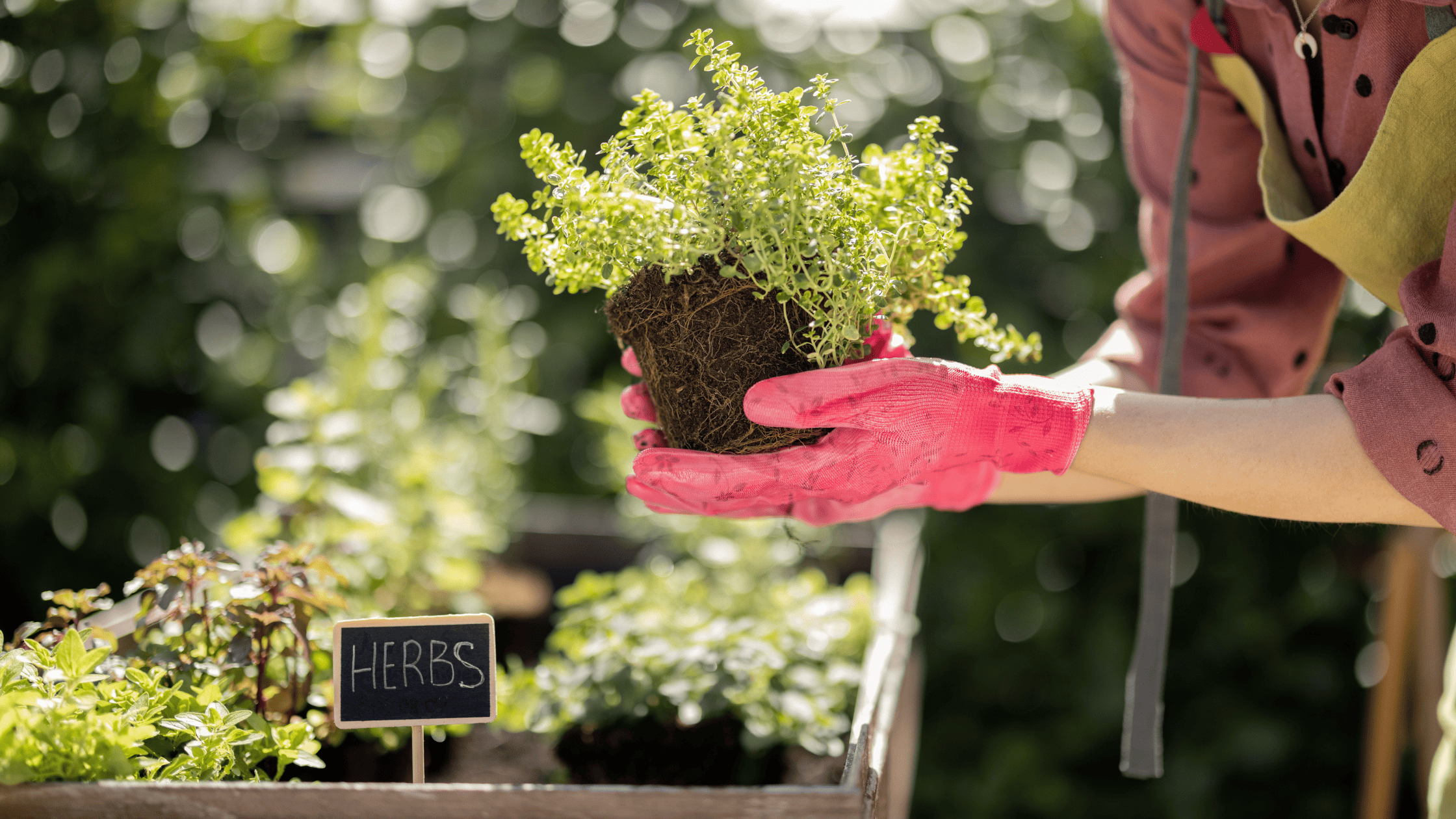
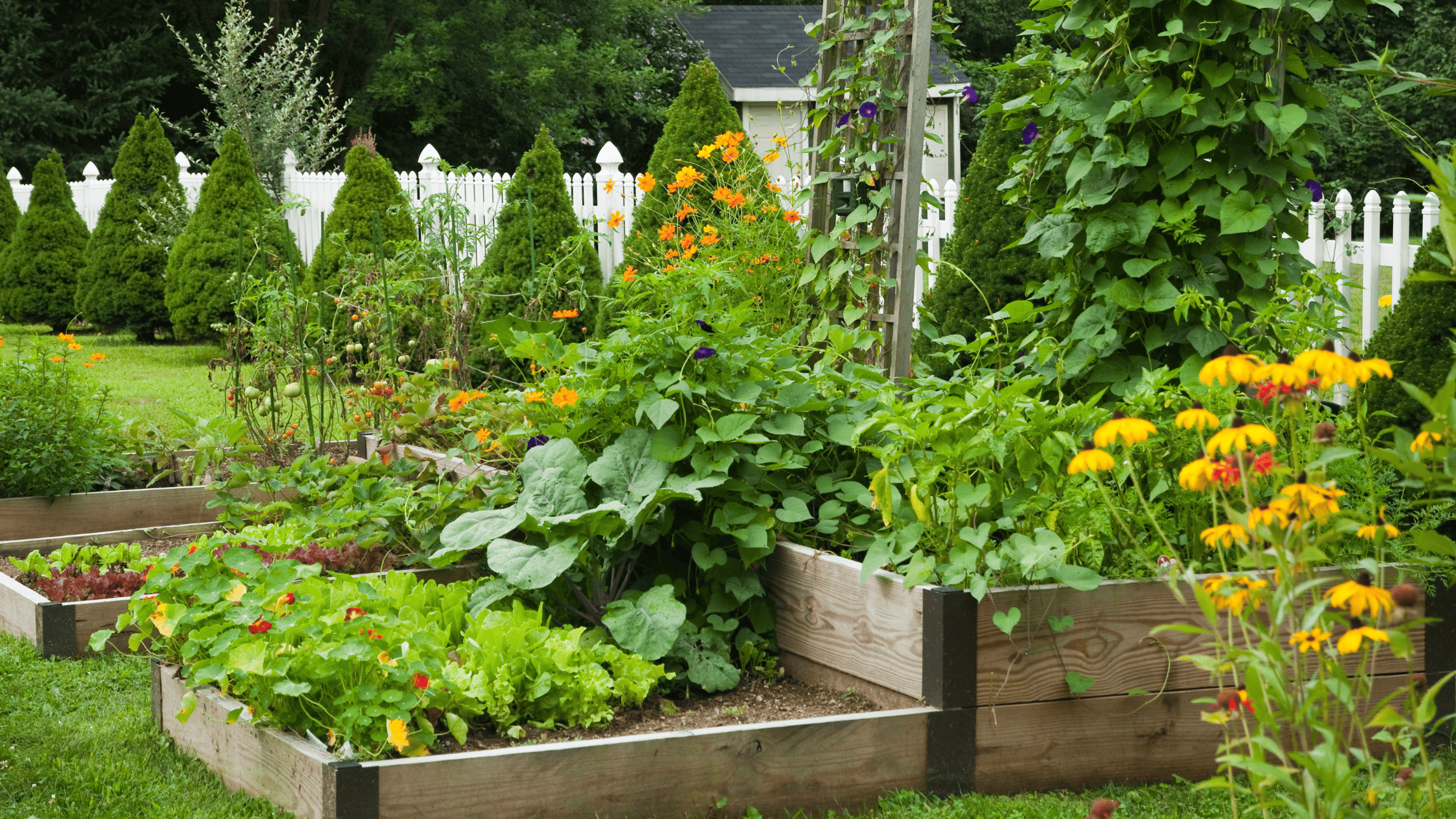
Quick Tips for Beginner Gardeners

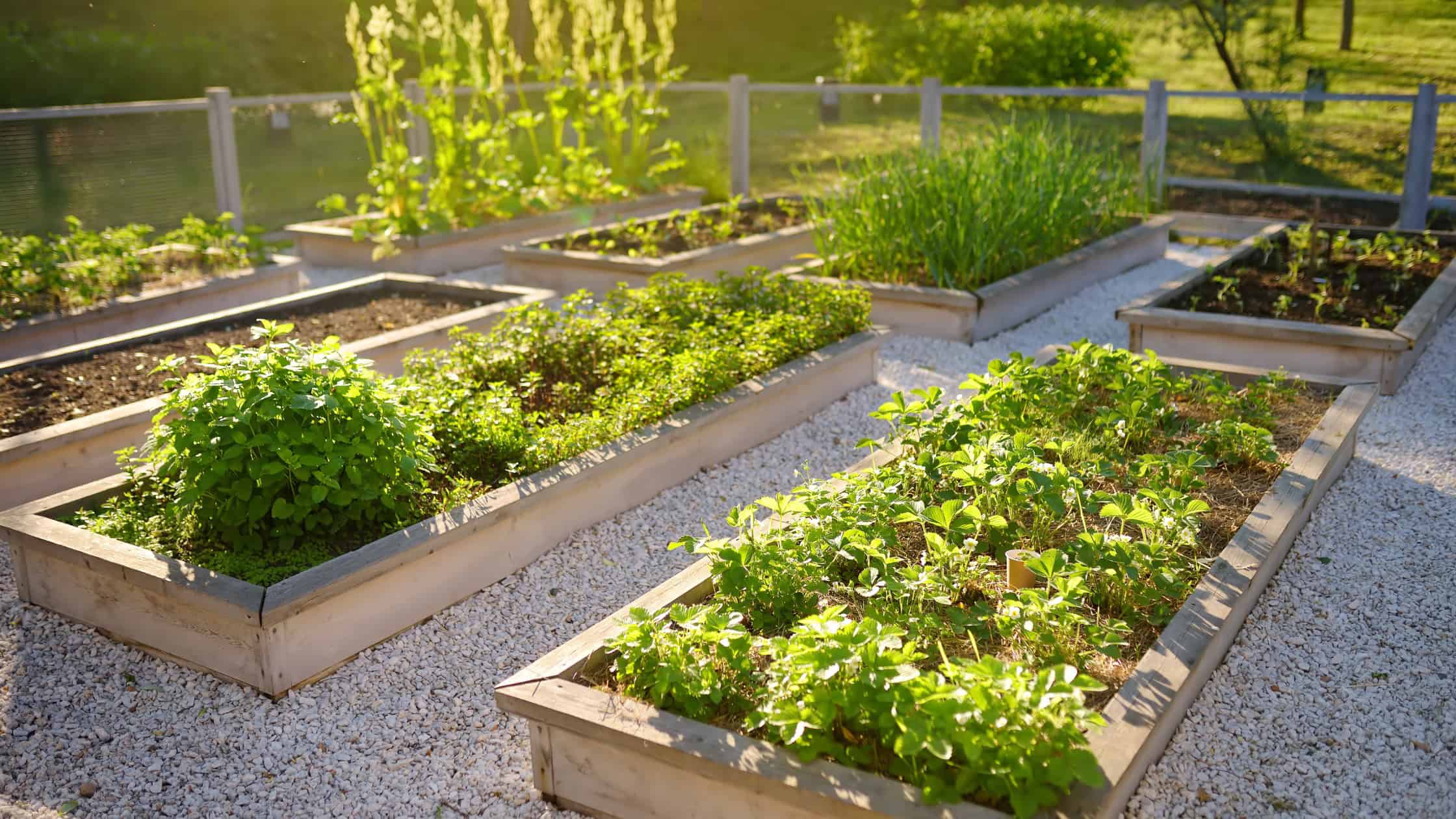
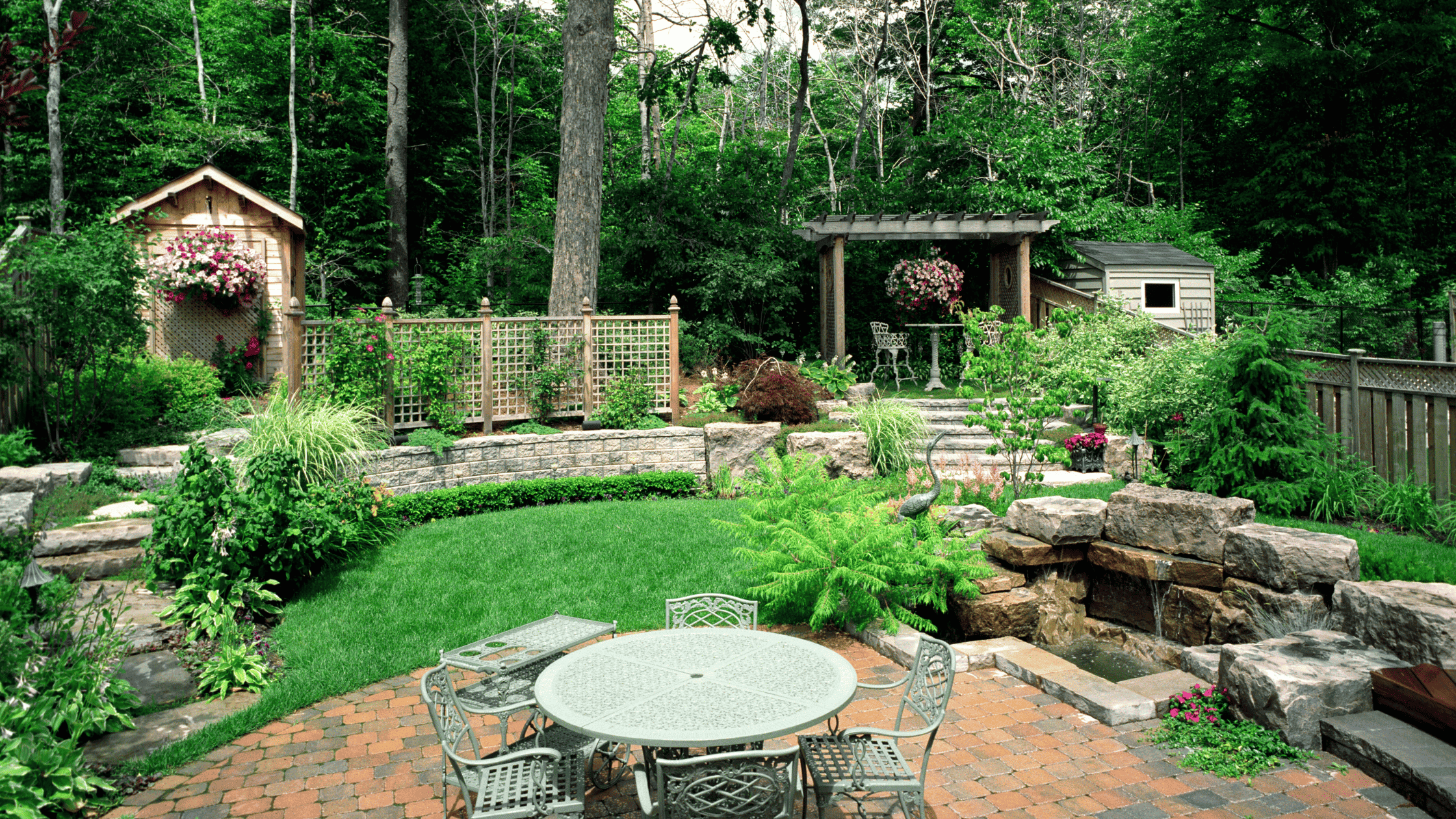
Spring has sprung and now it’s time to bust out your gardening tools and enjoy the fresh air. So many rewards come with gardening, but starting your very first garden can feel very overwhelming. Luckily, gardens can be surprisingly forgiving and the best way to learn is by diving in. Here are 10 tips to help get a new garden off on the right foot.

1. Jot Down Your Goals, Style & Design Ideas

    • Start searching the web and social media platforms (like Pinterest, Instagram, TikTok, etc.) and write down any ideas that inspire or speak to you. See if you can find a common theme that incorporates your favorite design ideas. Some themes could include an Asian-inspired Zen garden, simple yet cozy Cottage garden, or an Modern Industrial garden. Once you’ve locked down a theme/style, take a moment to jot down the activities and features you imagine enjoying in your landscape. If you have children, you may need a lot of open space for running around. Or perhaps you dream of relaxing in the middle of a big wildflower meadow — whatever it is, write it down.

2. Explore & Get to Know Your Gardening Site

    • Consider some of the following ideas that will help you get familiar with your property before starting your garden: Take a leisurely stroll around your property with a notebook and make a rough sketch of the existing planting areas. Create a garden “map” and note which areas get the most sun and which are shaded. Buy a simple soil test from your local garden center and it will tell you whether your soil is well-balanced in nutrients and pH. If you plan on growing fruits, veggies, herbs, etc. be sure to test your soil for any lead. You can send your soil samples to the Lead Safe America Foundation for a free lead test. Make note of your existing plants, fences, and paths and decide what is staying and what is going.

3. Make a Plan

    • No matter how big or small you want your garden, having a plan is key. If you’re not sure which plants to buy, visit a local nursery and take photos of the plants you like and might want to put in your garden. Look at the tags and note when they bloom, sun requirements, and water requirements. Pulling this information together into a sketched-out plan takes a little extra time, but will make for a more successful garden in the end. Choose plants that bloom in different seasons for year-round color, and be sure to pick plants with similar sun and water requirements to plant together.

4. Start Small

    • The bigger the garden, the more time and energy it will require to maintain. Examine what you want (say, a vegetable garden) and then scale it down (for example, plant one raised bed rather than six). You can always expand next year! This is also true for purchasing plants. It’s easy to get seduced by the bountiful plants at the nursery and come home with far too many. Remember, planting takes time, so buy only what you can comfortably get into the ground within the next day or two.

5. Acquire Basic Gardening Tools

    • Having the proper tools makes garden chores more pleasant — but don’t think you need to buy out the store on day one. Just a few tools and supplies should keep your garden running smoothly. The basics include: gardening gloves, shovel, trowel and weeding tool, long garden hose and spray nozzle, hand pruner, metal rake, and a leaf rake.

6. Mix Up Perennials & Annuals

    • A common beginning gardener mistake is to grab too many plants from the “annuals” section at the nursery, making for a garden that dies back within a single year. For longevity and color, go for a mix of perennials (plants that come back year after year) and annuals (plants that bloom and die within a single season).

7. Repeat Plants for a Cohesive Garden

    • One great way to give your garden a professionally designed look is to repeat the same plants and hardscaping materials in different places throughout the landscape. Avoid picking one plant of each type, as this tends to appear jumbled — even in a wild English cottage-style garden, plants look best when repeated or planted in clusters. The same goes for other materials: Choose just a few hardscaping materials for paths, pots, planters and outdoor furniture, and repeat, repeat, repeat.

8. Seeds + Starts = Affordable Mix!

    • Starting an entire garden from seed can save money, but it can also be incredibly frustrating. Purchasing only started plants is not only expensive, but it also may limit your choice of what to grow. The best option is usually a combination of the two: Pick up some started seedlings at your local nursery and start some of your own from seed. Good plants to start from seed yourself include lettuce, beans, radishes, marigolds, cosmos, sunflowers, and zinnias.

9. Grow What You Like

    • I know this may sound simple, but it’s something that even the most experienced gardeners tend to look over and forget. Just because it’s squash season, if you don’t like it, don’t grow it! Try devoting extra garden space to family favorites like snap peas, radishes, Tuscan kale and mini pumpkins for Halloween.

10. Further Your Garden Education

    • Seek out local workshops to learn more about gardening and connect with other gardeners in your community! Check plant nurseries, community gardens and botanical gardens in your area for free or low-cost workshops on a wide range of topics like using native plants, attracting pollinators, composting, container gardening, and creating a water-wise garden. Gardening is a lifelong learning experience, and even the most seasoned gardeners are learning all the time — so don’t beat yourself up if it seems that there’s too much to know. Just begin somewhere and take it one season at a time. The wonderful thing about gardening is that there’s usually room for do-overs.

I hope you all have a wonderful rest of your March! Until next month!

Resources: Houzz.com

Posted in: Buying A Home, Home Improvement News, Home Maintenance, Portland, Real Estate Tagged: Backyard, Home Tips, Portland, Real Estate, Sean Besso, Sean Besso Realty, Summer

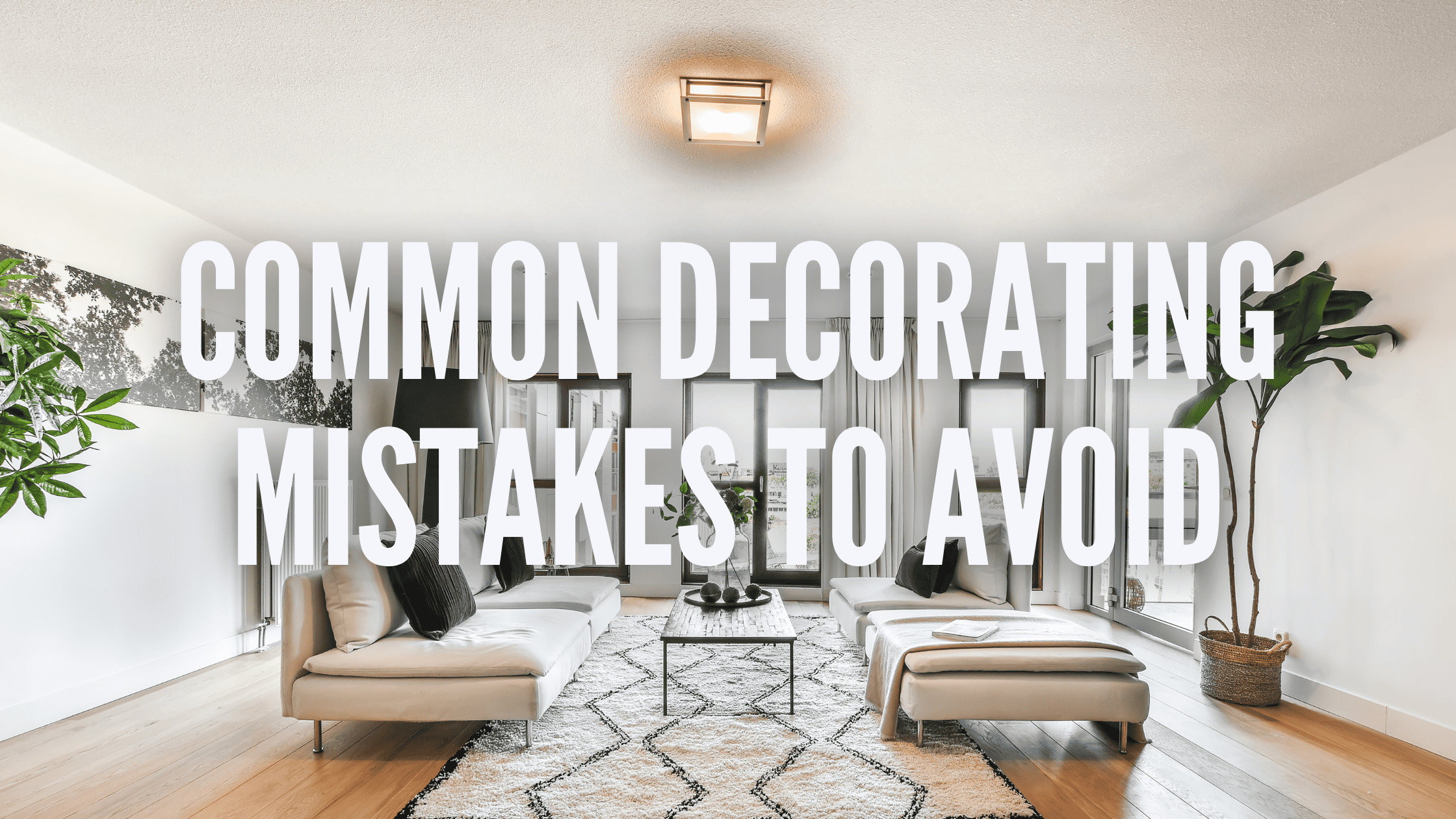
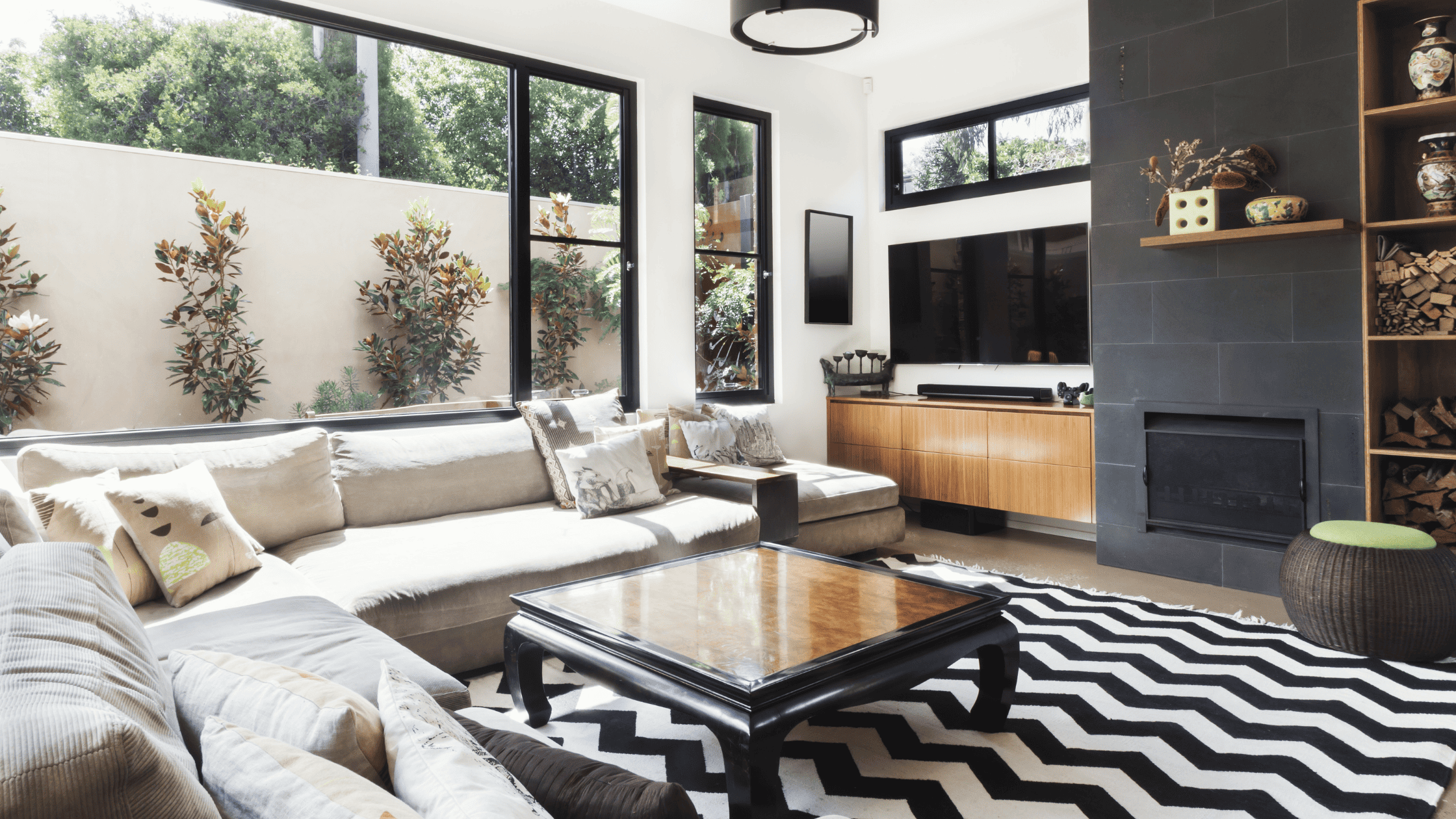
Common Decorating Mistakes to Avoid

Decorating a living room can be a tough job! Choosing color schemes, furniture, making sure everything is proportionate and balanced is a lot to keep in mind so here is a list of the most common styling errors that people make and how to steer well clear of them. 

1. Sofa is Too Large or Too Small

    • Selecting a sofa that’s the wrong scale for your living room is the biggest mistake people make. Keep in mind that a sofa can look entirely different once it leaves the showroom and enters your living room. Color also plays a big part in how big/small the sofa appears. For example, a dark sofa with a floor length skirt can look extremely heavy in a small living room space. You can avoid this mistake by measuring up your living room, the other furniture in the room, and the sofa you have your eye on before you buy. Consider the style of sofa. In a compact living room, consider a sofa on legs and with narrow arms to give the illusion of more space. If you have a large room, you might consider a more substantial sofa, such as one with wide arms that sits close to the ground.

2. Hanging Artwork Too High

    • Artwork is often hung too high to be properly seen or appreciated. Gallery style is the only hanging style that allows for artwork to be hung higher than eye height as it combines artworks of different sizes to create a wall of art. Make sure your artwork is hung at eye height, with the middle of the piece approximately 63 inches from the floor.

3. Making Your TV the Focus of the Room

    • Many homeowners will choose an oversize television that is too big for the room and then center all the furniture around it, forgetting that the living room is for entertaining and conversation too. The television can be an integral part of your living room without being the focus of it. The key is to conceal it as much as possible and create a space that performs dual functions as a watching zone and relaxing/social space. A built-in wall of cabinetry or a ready-made cabinet with shelves are two smart ways to detract attention from a television or conceal it altogether. Use the open sections of the cabinetry to house books, photos, ornaments and other interesting things that will draw the eye from the television and add personality to the room.

4. Rugs That Are Too Small

    • A great rug can be the making of your living room. It grounds your furniture and, in an open-plan space, defines the living area, but the most common mistake people make is purchasing a rug that is too small for the space or the furniture in it. A too-small rug sits separately from the furniture in the room, making the space look disjointed and feel uninviting. You can avoid this by measuring your living room and the main pieces of furniture before shopping. Ideally, the rug you choose should be big enough to allow the key pieces of furniture to sit on top of it. If your living room is not big enough to allow everything to sit fully on your rug, choose a style that is slightly wider than your sofa and allows for the front legs of your sofa and any smaller furniture pieces (such as side tables and stools) to sit on it.

5. Coffee Tables That Are Too Small

    • Just like rugs, it’s a common mistake to purchase a coffee table for your living room that is too small or doesn’t fit with the rest of your furniture. A too-tiny coffee table can also prove a practical challenge. If the coffee table is too small for the sofa or chairs, it will often get positioned far away from them in an effort to create a sense of balance, which makes it hard to reach. Remember this rules of thumb: your coffee table should be between half to one-third of the length of your sofa. Look to position it about 16 to 20 inches from the sofa and armchairs so you can reach it comfortably.

6. Putting All Your Furniture Against One Wall 

    • Pushing all your living room furniture up against the walls is another common styling mistake people make. When the sofa is against one wall, with a pair of armchairs against another, and the coffee table stranded in the middle of the room where nobody can reach it, the result is a dull room that feels a little like the waiting room in a doctor’s surgery. A good solution is to move the furniture deeper in the room and set up conversation zones that will instantly make the room feel cozier and more welcoming. The arrangement that works best will depend on the shape and size of the room. You may decide to put the sofa against a wall, with a pair of armchairs opposite it and a coffee table in between them. Or, if your living room is spacious, you may choose to place the furniture near the middle of the room, with space around it to move about.

7. Bad Lighting

    • With lighting, the problem comes down to either too much or too little light, and not enough options to allow you to use the space for different functions. Look to create a smart, layered lighting scheme in your living room consisting of different light sources, such as a ceiling pendant, table and floor lamps and up or down lights. Setting them on dimmers allows you to alter the lighting levels and mood to suit the occasion. A layered lighting scheme also allows two people to use the space at the same time for different tasks without disturbing each other. For example, one person might be watching television with the lights dimmed, while another person is reading in the corner of the room with a floor light on, There are three types of lighting you’ll want to include: ambient lighting — a gentle wash of light that allows you to move around safely; accent lighting — to highlight special features in the room, such as art; and task lighting — for reading and other tasks where you need to see clearly.

Have you ever made a decorating mistake that you regret? Let me know in the comments!

Until next month!

Resources: Houzz.com

Posted in: Buying A Home, Home Improvement News, Home Maintenance, Portland, Real Estate Tagged: Decor, Decorating, Home Decorating, Home Remodel, Home Tips, Portland, Real Estate, Remodel, Sean Besso, Sean Besso Realty, Summer

Your Post-Thanksgiving Game Plan

Thanksgiving is over and I hope you all had a wonderful day surrounded by your loved ones. Once you’ve recovered from the big day, these following steps will make your next holiday event a little bit easier.

1. Give the Kitchen a Thorough Scrubbing

    • This is the toughest part. In addition to doing the dishes and scouring the pots and pans, you’ll want to give the surfaces of your kitchen and the inside of your appliances a good cleaning to get rid of the spattered grease, spilled flour and stuck-on food. Once you’re done, reward yourself with another rest.

2. Organize and Inventory Your Serveware

    • Keep a notepad and donation bin handy. As you’re putting away your platters, bowls, pitchers, vases and other pieces, take stock: Was anything missing? Make a note to get it. While putting things away, pay special attention to everything. Are there pieces lurking on the bottom of the cabinet that you never use? If you didn’t use those items at your big Thanksgiving dinner, chances are you never will, so consider donating them.

3. Clean the Linens

    • Launder your tablecloths, napkins and other linens. During this busy time of the year, you deserve to drop them off at the dry cleaner if you wish — no guilt involved.

4. Restock

    • At the same time, take inventory with future holiday meals in mind. Use this chance to get your herbs, spices and staples organized for the rest of your holiday cooking, and make a list of things you need to replenish.

5. Stash Rarely Used Items Smarter

    • If you have Thanksgiving-specific equipment and decorations you use only at this time of year, find somewhere besides the kitchen to keep them together and organized. Valuable kitchen real estate is better put to use for everyday items.

6. Prep For Your Next Overnight Guests

    • Clean up the guest room, wash the bedding and towels, and think about ways to make welcoming another round of overnight visitors easier.

7. Clean Out the Pantry, Cupboards, and Refrigerator

    • Once the guests and leftovers are gone, take this opportunity to clean out the refrigerator and pantry. If you find canned or boxed food that hasn’t expired and you know you won’t use, place it in the donation bin — it’s a great time of year to give.

8. Refill Salt and Pepper Shakers

    • It seems like a small thing, but if you have to do it when all your burners are fired up for your next feast, it’s going to be one more detail stressing you out.

9. PUT UP YOUR FEET!

    • Congratulations! It wasn’t easy, but you’ve cut down the prep time for your next hosting gig. Your hard work means you’ll be organized and ready.

I hope you all have a wonderful rest of your November! Until next month!

Resources: Houzz.com

Posted in: Buying A Home, Home Improvement News, Home Maintenance, Portland, Real Estate Tagged: Holidays, Home Tips, Portland, Real Estate, Sean Besso, Sean Besso Realty

Posts navigation

  • 1
  • 2
  • Next Page »

Quick Search

About Sean Besso

Whether you are an experienced investor or a first time buyer, I can help you in finding the property of your dreams. Feel free to browse through my profile and please don't hesitate to reach out for any of your real estate needs! Meet Sean...

Client Reviews

Impressed with his social, professional and articulate manners. Very responsive to requests. Easily explains situations and information in a format that can be quickly understood and processed by individuals outside of the real estate profession. Enjoyed the experience and learned so much.
- Dan Shoop


More Testimonials

Get in Touch

Sean Besso Broker
Licensed in the State of Oregon
2207 NE Broadway Ste. 100
Portland, OR 97232
Call Us: (503) 444-9008
© 2026 · Sean Besso Broker

Privacy

Privacy Policy | Sitemap | DMCA

Agent Reputation | Real Estate Website Design

Marketing | Order Order
Log in