seanbessorealty@gmail.com
    (503) 353-6673

Sean Besso RealtySean Besso Realty

Oregon Real Estate Lives Here

  • About
    • Sean Besso
    • Online Reviews
    • Leave Feedback
  • Buyers
  • Sellers
  • Communities
    • Beaverton
    • Downtown & the Pearl District
    • Happy Valley & Clackamas
    • NE Portland
    • North Portland
    • NW Portland
    • Oregon City
    • SE Portland
    • SW Portland
    • West Linn
  • Blog

Quick Tips for Beginner Gardeners

Spring has sprung and now it’s time to bust out your gardening tools and enjoy the fresh air. So many rewards come with gardening, but starting your very first garden can feel very overwhelming. Luckily, gardens can be surprisingly forgiving and the best way to learn is by diving in. Here are 10 tips to help get a new garden off on the right foot.

1. Jot Down Your Goals, Style & Design Ideas

    • Start searching the web and social media platforms (like Pinterest, Instagram, TikTok, etc.) and write down any ideas that inspire or speak to you. See if you can find a common theme that incorporates your favorite design ideas. Some themes could include an Asian-inspired Zen garden, simple yet cozy Cottage garden, or an Modern Industrial garden. Once you’ve locked down a theme/style, take a moment to jot down the activities and features you imagine enjoying in your landscape. If you have children, you may need a lot of open space for running around. Or perhaps you dream of relaxing in the middle of a big wildflower meadow — whatever it is, write it down.

2. Explore & Get to Know Your Gardening Site

    • Consider some of the following ideas that will help you get familiar with your property before starting your garden: Take a leisurely stroll around your property with a notebook and make a rough sketch of the existing planting areas. Create a garden “map” and note which areas get the most sun and which are shaded. Buy a simple soil test from your local garden center and it will tell you whether your soil is well-balanced in nutrients and pH. If you plan on growing fruits, veggies, herbs, etc. be sure to test your soil for any lead. You can send your soil samples to the Lead Safe America Foundation for a free lead test. Make note of your existing plants, fences, and paths and decide what is staying and what is going.

3. Make a Plan

    • No matter how big or small you want your garden, having a plan is key. If you’re not sure which plants to buy, visit a local nursery and take photos of the plants you like and might want to put in your garden. Look at the tags and note when they bloom, sun requirements, and water requirements. Pulling this information together into a sketched-out plan takes a little extra time, but will make for a more successful garden in the end. Choose plants that bloom in different seasons for year-round color, and be sure to pick plants with similar sun and water requirements to plant together.
4. Start Small

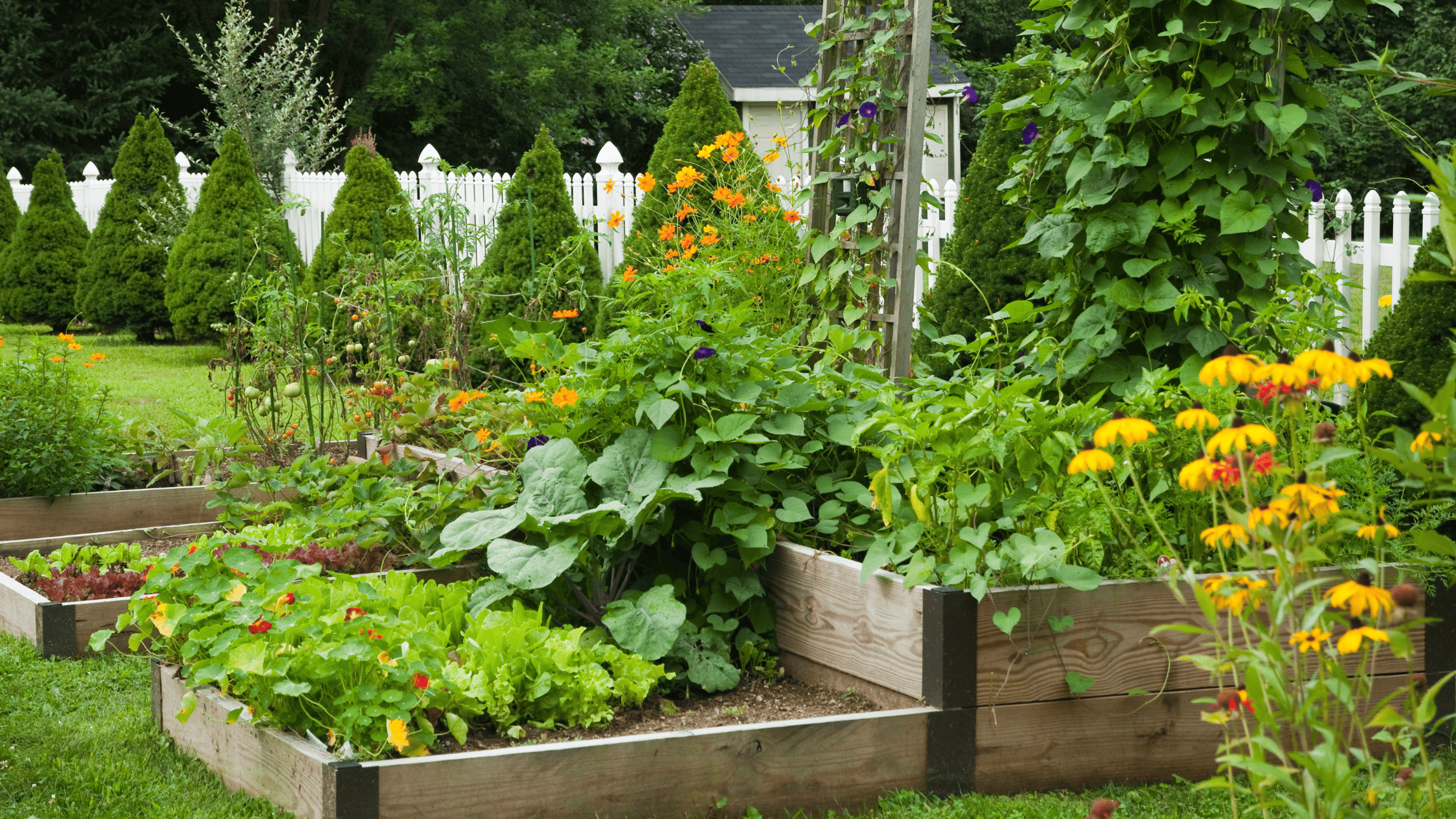
    • The bigger the garden, the more time and energy it will require to maintain. Examine what you want (say, a vegetable garden) and then scale it down (for example, plant one raised bed rather than six). You can always expand next year! This is also true for purchasing plants. It’s easy to get seduced by the bountiful plants at the nursery and come home with far too many. Remember, planting takes time, so buy only what you can comfortably get into the ground within the next day or two.

5. Acquire Basic Gardening Tools

    • Having the proper tools makes garden chores more pleasant — but don’t think you need to buy out the store on day one. Just a few tools and supplies should keep your garden running smoothly. The basics include: gardening gloves, shovel, trowel and weeding tool, long garden hose and spray nozzle, hand pruner, metal rake, and a leaf rake.

6. Mix Up Perennials & Annuals

    • A common beginning gardener mistake is to grab too many plants from the “annuals” section at the nursery, making for a garden that dies back within a single year. For longevity and color, go for a mix of perennials (plants that come back year after year) and annuals (plants that bloom and die within a single season).

7. Repeat Plants for a Cohesive Garden

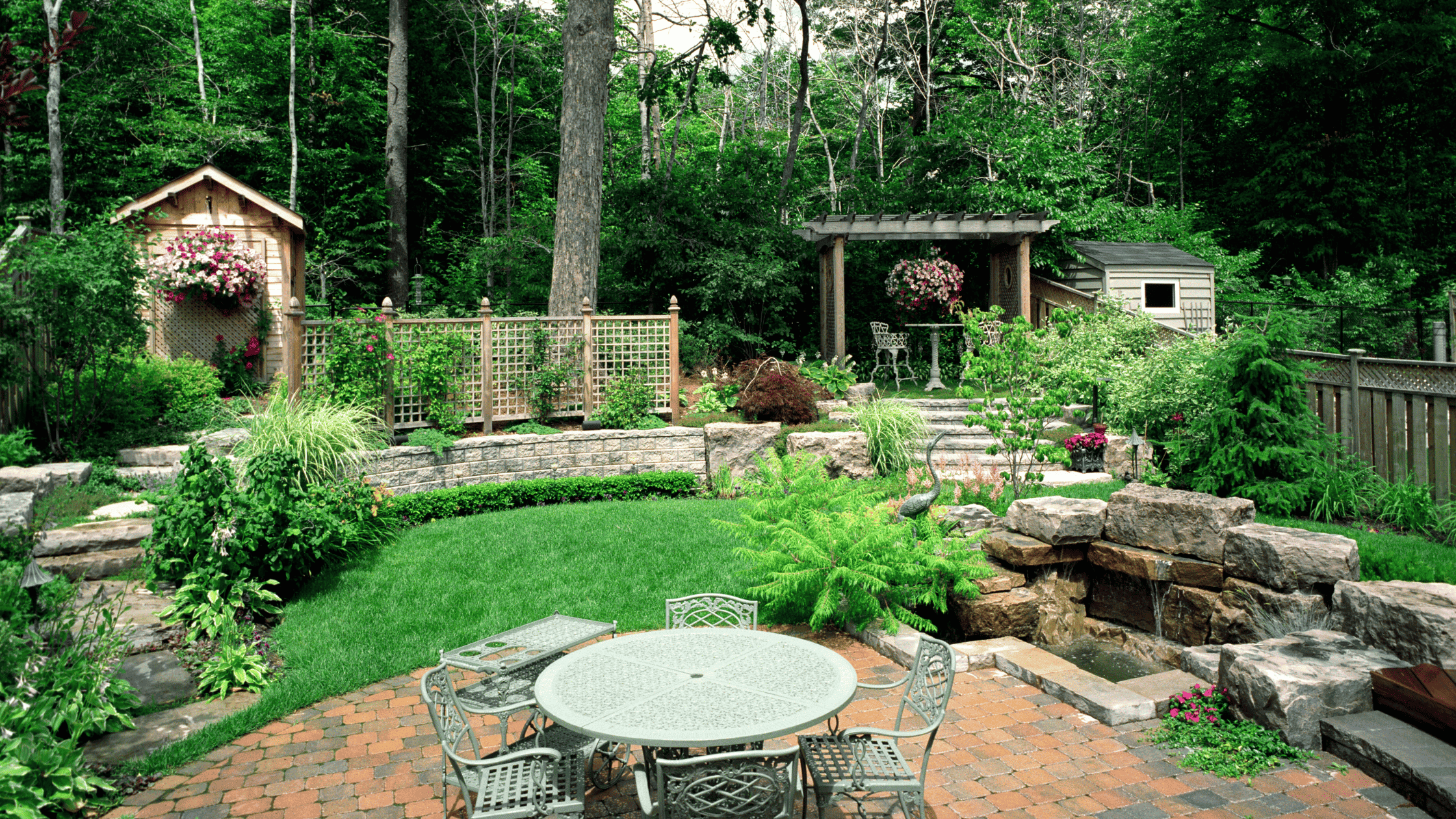
    • One great way to give your garden a professionally designed look is to repeat the same plants and hardscaping materials in different places throughout the landscape. Avoid picking one plant of each type, as this tends to appear jumbled — even in a wild English cottage-style garden, plants look best when repeated or planted in clusters. The same goes for other materials: Choose just a few hardscaping materials for paths, pots, planters and outdoor furniture, and repeat, repeat, repeat.
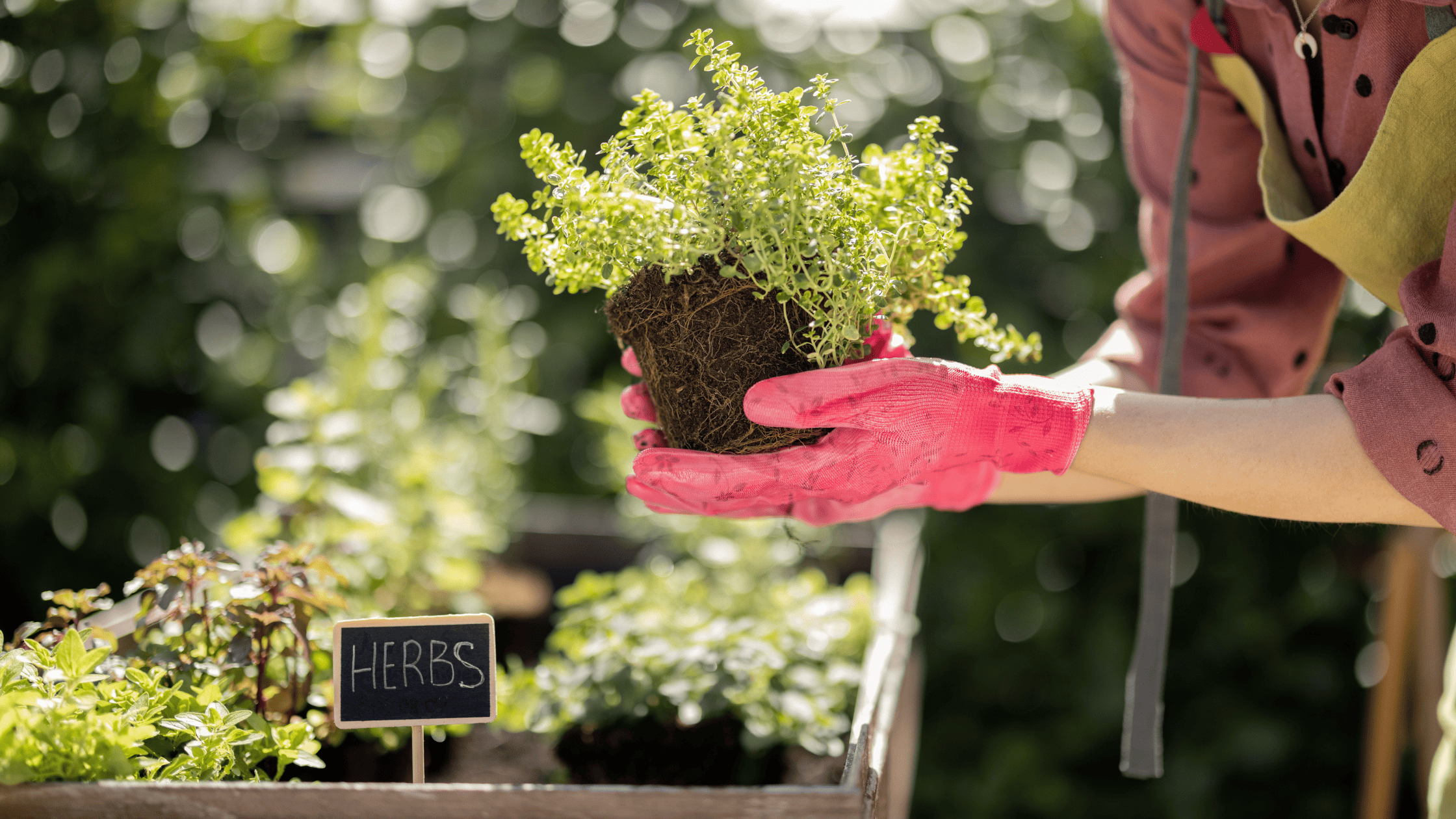
8. Seeds + Starts = Affordable Mix!

    • Starting an entire garden from seed can save money, but it can also be incredibly frustrating. Purchasing only started plants is not only expensive, but it also may limit your choice of what to grow. The best option is usually a combination of the two: Pick up some started seedlings at your local nursery and start some of your own from seed. Good plants to start from seed yourself include lettuce, beans, radishes, marigolds, cosmos, sunflowers, and zinnias.

9. Grow What You Like

    • I know this may sound simple, but it’s something that even the most experienced gardeners tend to look over and forget. Just because it’s squash season, if you don’t like it, don’t grow it! Try devoting extra garden space to family favorites like snap peas, radishes, Tuscan kale and mini pumpkins for Halloween.

10. Further Your Garden Education

    • Seek out local workshops to learn more about gardening and connect with other gardeners in your community! Check plant nurseries, community gardens and botanical gardens in your area for free or low-cost workshops on a wide range of topics like using native plants, attracting pollinators, composting, container gardening, and creating a water-wise garden. Gardening is a lifelong learning experience, and even the most seasoned gardeners are learning all the time — so don’t beat yourself up if it seems that there’s too much to know. Just begin somewhere and take it one season at a time. The wonderful thing about gardening is that there’s usually room for do-overs.
I hope you all have a wonderful rest of your March! Until next month!

Resources: Houzz.com
Posted in: Buying A Home, Home Improvement News, Home Maintenance, Portland, Real Estate Tagged: Backyard, Home Tips, Portland, Real Estate, Sean Besso, Sean Besso Realty, Summer

10 Ways to Enjoy Your Backyard More This Summer

Here are 10 ideas to make the most of these months, including ways to spend more time outdoors and easy garden updates with immediate rewards.

1. Plant a Fruit, Veggie or Herb You’ve Never Grown Before

    • Whether you plant ‘Green Globe’ artichokes, heirloom tomatoes, purple beans, alpine strawberries or hot peppers, try growing something new this season. Most likely, you’ll be surprised, even delighted, by how it grows and tastes — and inspired to use the new produce in summer meals. Kitchen garden already maxed out on space? Pot up a few containers with unusual herbs such as Thai basil, shiso, lemongrass, Vietnamese coriander, chocolate mint, chervil or lemon verbena and have them inspire your recipes.

2. Celebrate in the Backyard

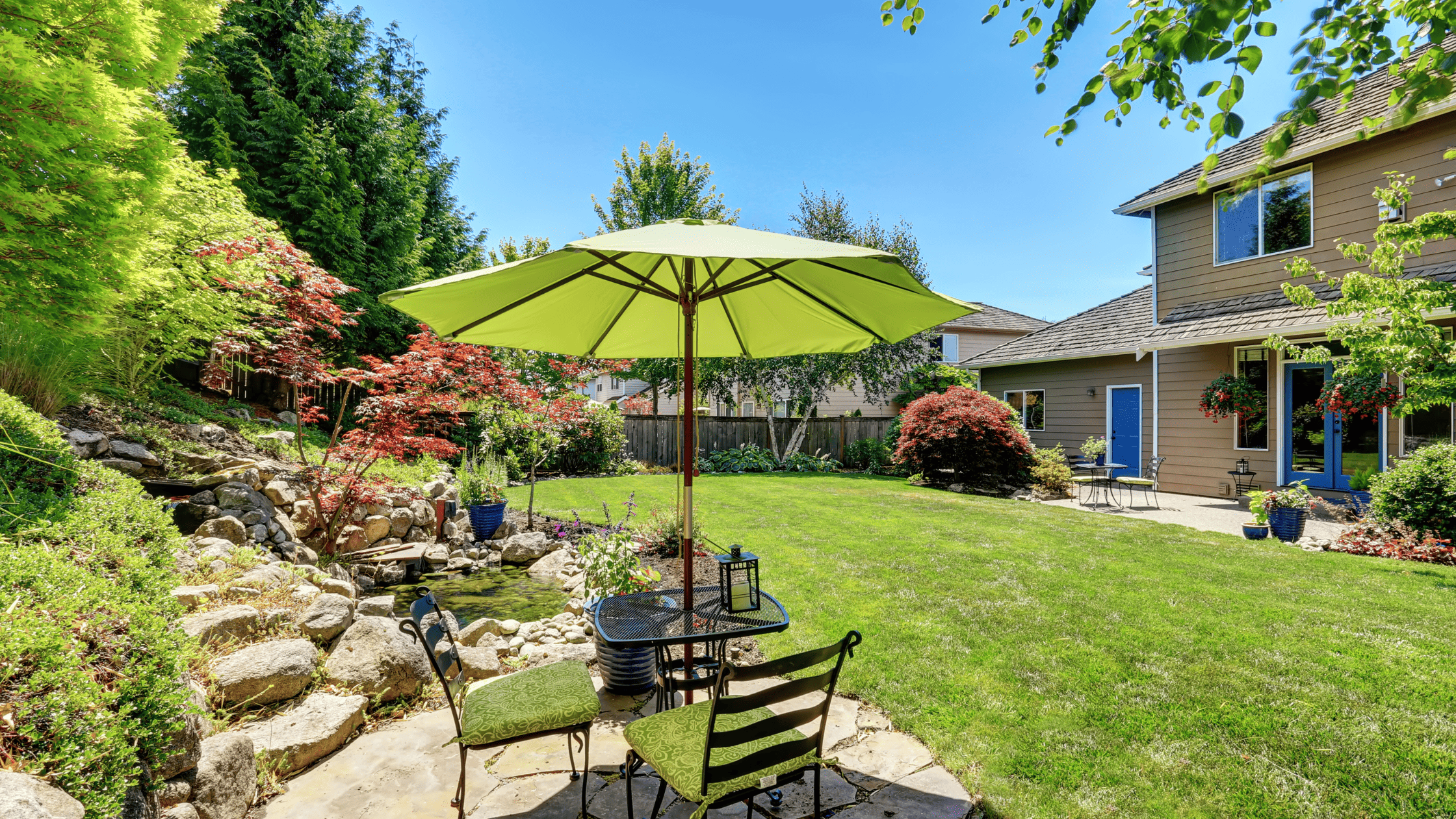
    • With a few easy, inexpensive updates, your garden can feel like a new festive spot. Try putting up lights, hanging a paper garland or traditional bunting, bringing out some colorful throw pillows, or investing in a movable fire pit.

3. Switch Up Your Morning Routine

    • Even if you have only five minutes, bring your cup of coffee and slice of toast outside to enjoy in the yard. Perhaps you want to take this time to practice mindfulness, or you may just want to sit back, relax and watch the birds flit among the garden beds. If you’re off to work, you may notice that you feel more calm and centered by starting your day in nature.

4. Refresh Window Boxes

    • These pint-size gardens are a great way to add color to your home without bothering with larger garden tools. Plant the boxes with long-blooming summer annuals and perennials, such as sun-loving lavender, geranium, lobelia and trailing bacopa.

5. Grow Garnishes for Your Favorite Summer Drinks

    • Instead of buying those short-lived supermarket bunches of herbs, plant a few of your go-to varieties for cocktail garnishes. Start with basil, mint, cilantro, or all three, and get creative with others, such as lavender or lemongrass. If you have room in your garden and a Mediterranean climate, consider adding one or two fruit trees with standout cocktail possibilities, such as Meyer lemon, pomegranate and lime.

6. String Up a Hammock

    • Summer evenings are for lounging, and what’s better than swinging from a hammock? Hang one between two trees in your backyard, between the beams of a sturdy pergola or from the rails of an interior courtyard. Don’t have the perfect spot for hanging? Invest in a hammock that comes with its own frame — you’ll have the benefit of being able to choose the most inviting spot in the backyard to place it.

7. Jazz Up Your Planting Beds

    • Plants with interesting foliage often need less tending than those planted primarily for their flowers — you’ll be able to skip deadheading, at least. To make a primarily foliage-based bed just as stunning as one with flowers, choose foliage plants with high color and texture contrast, and plant them close together.

8. Roll Out an Outdoor Rug

    • Make your deck or patio that much more inviting by laying down an outdoor rug for the season. Most outdoor rugs are made of durable nylon, polyester or polypropylene (often from recycled sources), and many are treated to resist fading from exposure to sun. Those made of bamboo, jute and other natural fibers are less weather-resistant and best used on a covered patio or deck.

9. Give Birds and Bees a Water Source

    • If you live in a dry-summer climate, the months between rains can be tough for native birds, insects and other wildlife, particularly in areas where development has taken away their natural water sources. Try setting up a simple fountain, or just fill an empty pot saucer with water, and see what stops by for a drink. Remember to keep the water feature consistently filled and clean, as these small creatures learn to depend on it as a water source.

10. Install an Outdoor Shower

    • Making that dream of a rinse under the sky a reality can be easier than it looks. If you have a water hookup close by — the outdoor wall of an indoor bathroom is a great bet — all it takes to install an outdoor shower is mounting basic plumbing and shower fixtures, and creating a path away from the home for water drainage. Perhaps this is the summer you make it happen.

I hope you all have a wonderful rest of your July! Until next month!

Resources: Houzz.com
Posted in: Buying A Home, Home Improvement News, Home Maintenance, Portland, Real Estate Tagged: Backyard, Home Tips, Portland, Real Estate, Sean Besso, Sean Besso Realty, Summer

Quick Search

About Sean Besso

Whether you are an experienced investor or a first time buyer, I can help you in finding the property of your dreams. Feel free to browse through my profile and please don't hesitate to reach out for any of your real estate needs! Meet Sean...

Client Reviews

Impressed with his social, professional and articulate manners. Very responsive to requests. Easily explains situations and information in a format that can be quickly understood and processed by individuals outside of the real estate profession. Enjoyed the experience and learned so much.
- Dan Shoop


More Testimonials

Get in Touch

Sean Besso Broker
Licensed in the State of Oregon
2207 NE Broadway Ste. 100
Portland, OR 97232
Call Us: (503) 444-9008
© 2026 · Sean Besso Broker

Privacy

Privacy Policy | Sitemap | DMCA

Agent Reputation | Real Estate Website Design

Marketing | Order Order
Log in