seanbessorealty@gmail.com
    (503) 353-6673

Sean Besso RealtySean Besso Realty

Oregon Real Estate Lives Here

  • About
    • Sean Besso
    • Online Reviews
    • Leave Feedback
  • Buyers
  • Sellers
  • Communities
    • Beaverton
    • Downtown & the Pearl District
    • Happy Valley & Clackamas
    • NE Portland
    • North Portland
    • NW Portland
    • Oregon City
    • SE Portland
    • SW Portland
    • West Linn
  • Blog

Garden Survival 101: How to Deal with a Heat Wave

As most gardeners know, hot temperatures can cause major stress and sunburn to our outdoor plants. Below are some five tips to keep your plants thriving in the summer heat and hopefully, these methods will decrease any heat wave damage done to your garden. 

Definitions of what constitutes a heat wave vary, with most stating that it’s a period of abnormally high temperatures for that particular region. Some specify that a heat wave lasts at least two days, while others begin at five days. One definition I found stated that a heat wave is when temperatures are 9 degrees Fahrenheit above the average high.

​Plants in containers are most susceptible to extreme heat, as the air temperatures can “cook” the roots as well as the tops. Shallow-rooted plants such as annuals are particularly sensitive to the effects of a heat wave, while most succulents are fairly tolerant.

Now, let’s start with the most important tip –

TIP #1: Water, Water, and More Water

    • High temperatures increase the rate that water is lost to the atmosphere from a plant’s leaves, resulting in wilting and sunburn damage. You’ll need to increase the amount of supplemental irrigation that they receive. It’s best to do this the day before the heat wave arrives. When you water your plants is also important. Irrigating them in the middle of a hot day isn’t effective, as your shrubs and perennials are devoting all their energy to dealing with surviving the heat, not to taking up water. The best time to water plants is early in the morning, when temperatures are lower, which will help carry them through the day. Avoid overwatering, which is also harmful to plants. If the soil is soggy, skip the extra watering session, as it will do more harm than good.

TIP #2: Shade is Your Garden’s New BFF

    • On a hot summer’s day, we all look for a shady spot where temperatures are a few degrees lower. Unfortunately, plants can’t move toward the shade, but we can bring it to them. Nurseries and big-box stores carry landscape burlap and shade cloth, which can be placed on top of plants to screen them from the sun. Other temporary shade methods include using a portable shade canopy to shield an area of the garden from the sun. Even a single patio chair can protect a low-growing plant. If you have container plants, place them on rollers so that you can move them as needed to a shady area.

TIP #3: Avoid Pruning

    • It’s tempting to prune away sunburned growth, as it isn’t attractive, but put away those pruners. Although the outer foliage may be damaged, it’s protecting the interior of the plant by providing shade. Wait to prune away sun-damaged growth until temperatures return to normal. For extra safety, wait until summer is almost over before pruning away in case of the arrival of another heat wave.
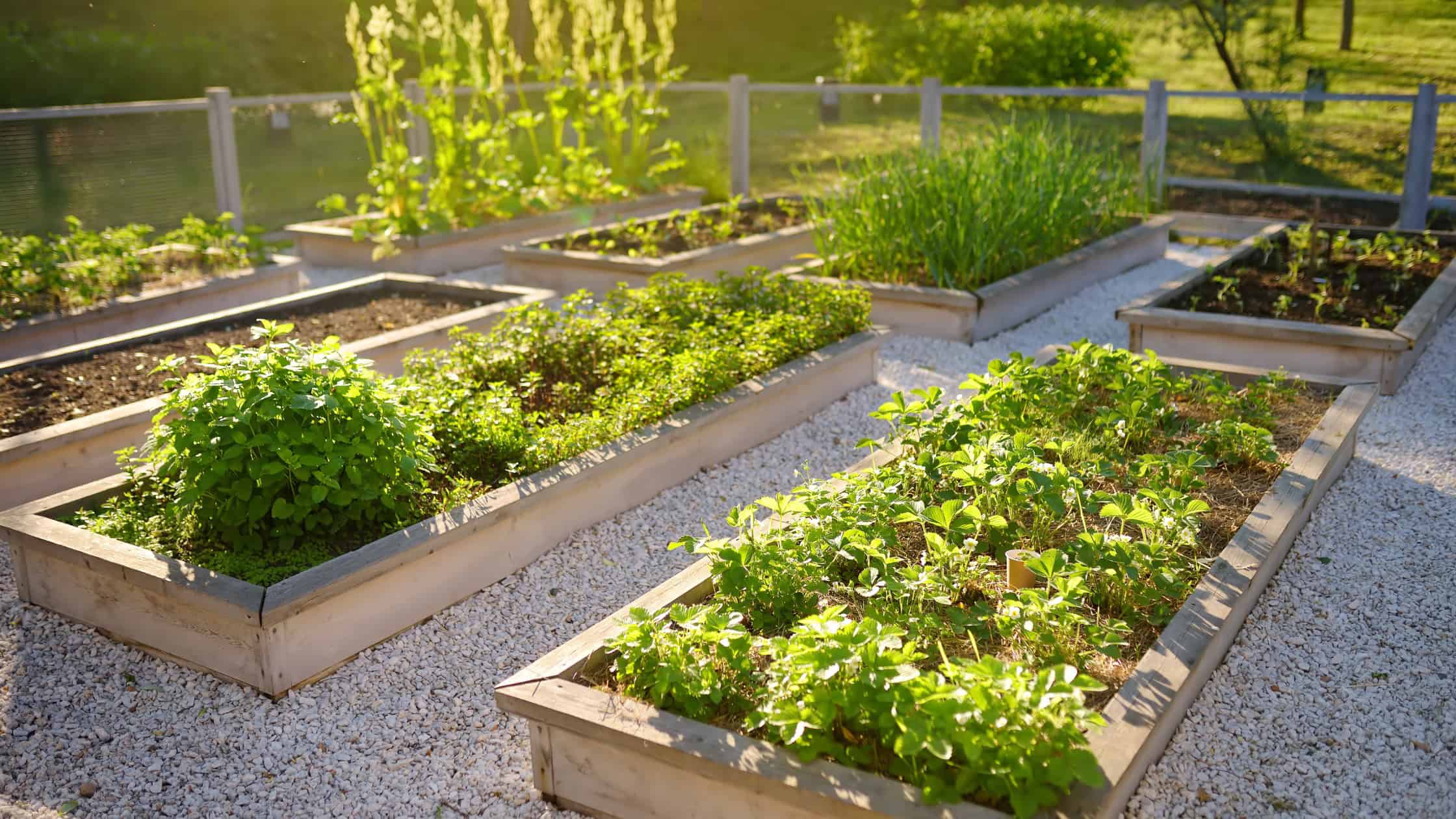
TIP #4: Add a Layer of Mulch

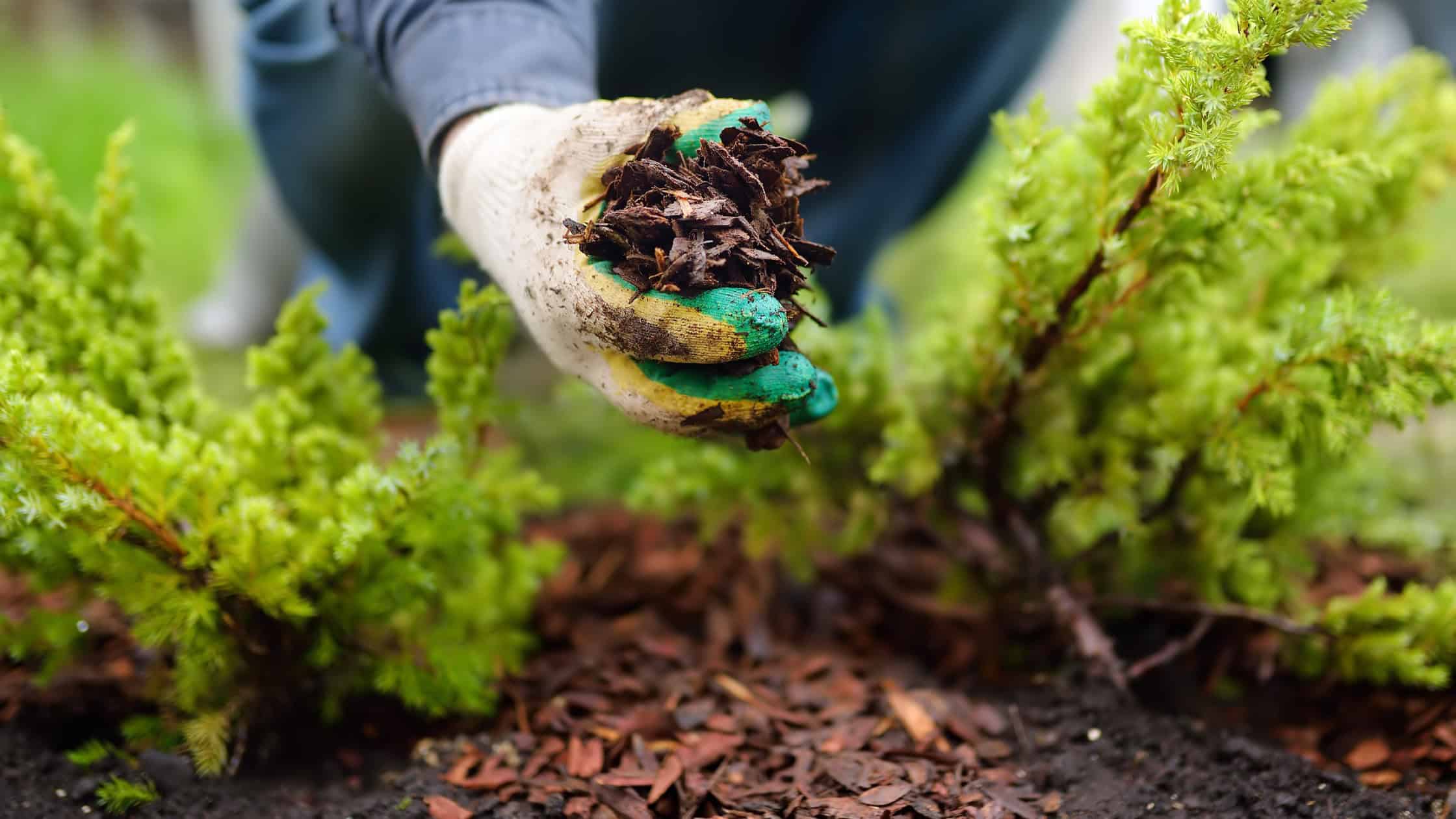
    • Hot temperatures don’t affect just the parts of the plant that are above the ground; they also impact the roots. Adding a layer of mulch around trees, shrubs and ground covers will help keep the soil several degrees cooler while preventing it from drying out. Apply mulch about 3 inches thick around your plants, spreading it to the drip line (where the branches extend out to) and taking care to keep it 6 inches away from the trunks of trees.

TIP #5: Skip the Fertilizer 

    • As we talked about earlier, plants devote all their resources to surviving a heat wave. Because of this, they can’t spare the energy to take up fertilizer, which remains in the soil and can “burn” the plant. After the scorching weather has abated, go ahead and resume your regular fertilizing schedule.
Stay cool this upcoming week! Until next month!

Resources: Houzz.com

Posted in: Buying A Home, Home Improvement News, Home Maintenance, Portland, Real Estate Tagged: Home Tips, Portland, Real Estate, Sean Besso, Sean Besso Realty, Summer

Ways to Cool Down Your Home Without Central Air

Whether your home has central air conditioning or not, these helpful tips will keep you cool these summer months and save on energy bills. 

1. Air Circulation

    • A great way to get air circulating is by forcing air flow with a fan/box fan in your window. Night cooling also helps to naturally decrease the temperature in your house and exchange hot interior air for cooler outdoor air. Ceiling fans and standing fans placed near windows at night can help force the air movement when there is no breeze and a small temperature difference. During the day the added air movement from fans can help the perception of heat, which is tied to humidity.

2. Block the Sun from Reaching Your Windows

    • The more shading you can include on the outside, the better. Consider a simple overhang made with brackets and wood slats to block your windows from the intense summer sun. Solar-control window films can offer UV protection and reduce the amount of heat gained from solar radiation. Compared with some elaborate shading systems, these could be a less expensive alternative. Even simple bamboo blinds can block a good portion of sunlight without completely sacrificing daylight.

3. Add Interior Drapes, Blinds or Shades

    • Once the heat from the sun’s rays passes through the glass of a window, that heat is in the house and will need to be ventilated to escape. To keep your floors and walls from soaking up that heat from direct rays and emitting it throughout the day, it can help to add another layer of protection between the window and the main thermal mass of your home. Sheer window treatments are a nice way to mitigate direct sun rays to the floor but maintain soft, natural daylight. Plus, white reflects sunlight better than colors.

4. Transition Your Bed Into Summer Mode

    • I don’t know about you, but I feel summer heat the most when I’m trying to sleep. Reduce the amount of bedding you have and stick to natural fabrics like linen or 100 percent cotton. Synthetic blends don’t breathe enough to release all the heat we generate during the night. Have a porch or balcony? Consider transitioning it into a sleeping porch. Depending on your home or apartment and security concerns, you may have a little exterior screened-in space that can be used like a sleeping porch. You could have a little daybed with light linens for nights when it’s comfortable enough to sleep in open air.

5. Turn Off Major Appliances During the Day

    • To help maintain those cooler temperatures during the day, reduce anything that generates heat in your house or apartment. For example, don’t use the dryer or oven and try not to open the fridge too often. The more you open it, the more the motor has to work to cool it down again, and the heat generated from that work will be released back into your apartment.

6. Stay Hydrated

    • What may seem like the most simple solution is usually the solution looked over the most often. Stay hydrated! Drinking water also helps regulate body temperatures.

I hope you all have a wonderful rest of your June! Until next month!

Resources: Houzz.com
Posted in: Buying A Home, Home Improvement News, Home Maintenance, Portland, Real Estate Tagged: Home Tips, Portland, Real Estate, Sean Besso, Sean Besso Realty, Summer

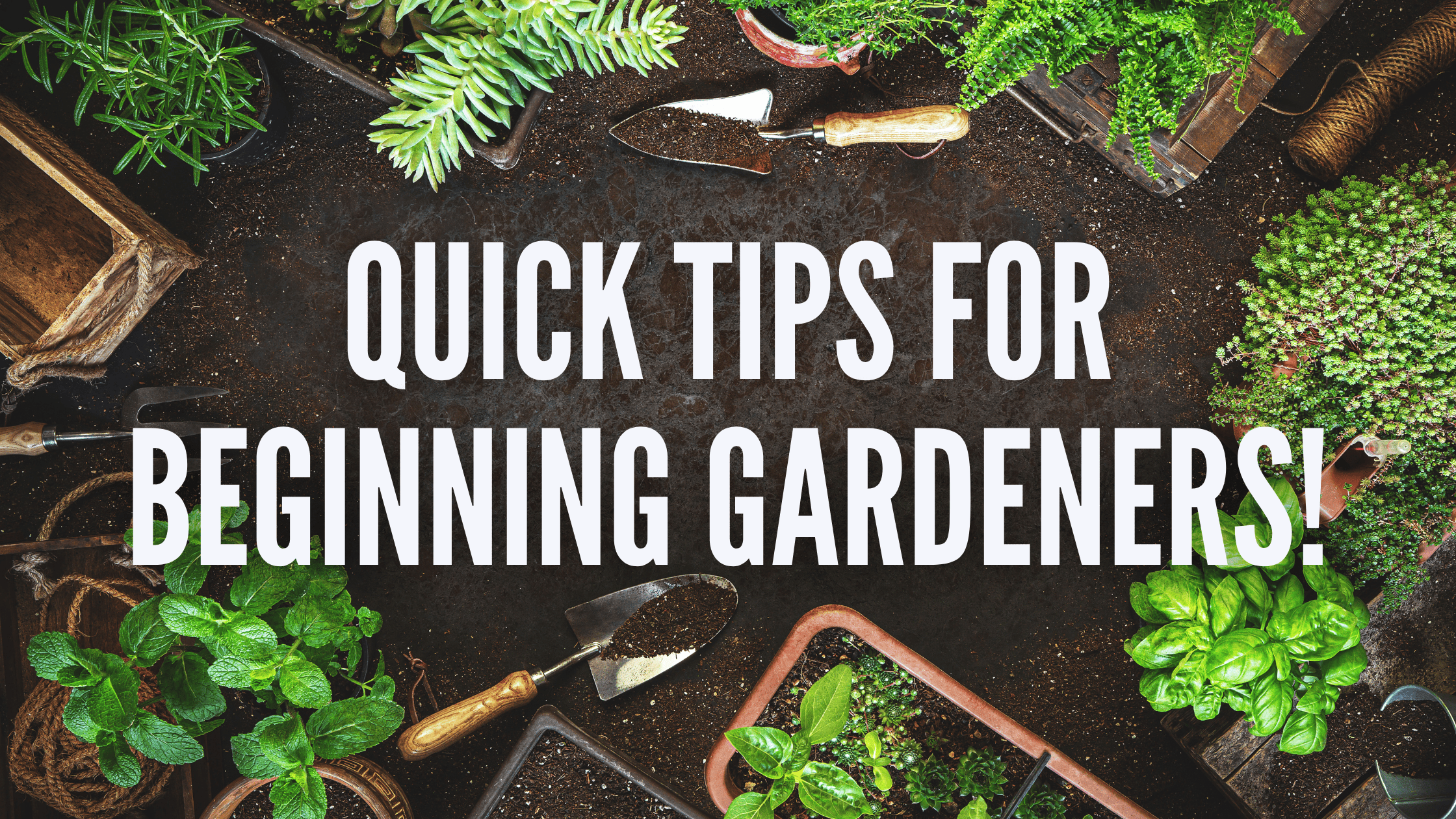
Quick Tips for Beginner Gardeners

Spring has sprung and now it’s time to bust out your gardening tools and enjoy the fresh air. So many rewards come with gardening, but starting your very first garden can feel very overwhelming. Luckily, gardens can be surprisingly forgiving and the best way to learn is by diving in. Here are 10 tips to help get a new garden off on the right foot.

1. Jot Down Your Goals, Style & Design Ideas

    • Start searching the web and social media platforms (like Pinterest, Instagram, TikTok, etc.) and write down any ideas that inspire or speak to you. See if you can find a common theme that incorporates your favorite design ideas. Some themes could include an Asian-inspired Zen garden, simple yet cozy Cottage garden, or an Modern Industrial garden. Once you’ve locked down a theme/style, take a moment to jot down the activities and features you imagine enjoying in your landscape. If you have children, you may need a lot of open space for running around. Or perhaps you dream of relaxing in the middle of a big wildflower meadow — whatever it is, write it down.

2. Explore & Get to Know Your Gardening Site

    • Consider some of the following ideas that will help you get familiar with your property before starting your garden: Take a leisurely stroll around your property with a notebook and make a rough sketch of the existing planting areas. Create a garden “map” and note which areas get the most sun and which are shaded. Buy a simple soil test from your local garden center and it will tell you whether your soil is well-balanced in nutrients and pH. If you plan on growing fruits, veggies, herbs, etc. be sure to test your soil for any lead. You can send your soil samples to the Lead Safe America Foundation for a free lead test. Make note of your existing plants, fences, and paths and decide what is staying and what is going.

3. Make a Plan

    • No matter how big or small you want your garden, having a plan is key. If you’re not sure which plants to buy, visit a local nursery and take photos of the plants you like and might want to put in your garden. Look at the tags and note when they bloom, sun requirements, and water requirements. Pulling this information together into a sketched-out plan takes a little extra time, but will make for a more successful garden in the end. Choose plants that bloom in different seasons for year-round color, and be sure to pick plants with similar sun and water requirements to plant together.

4. Start Small

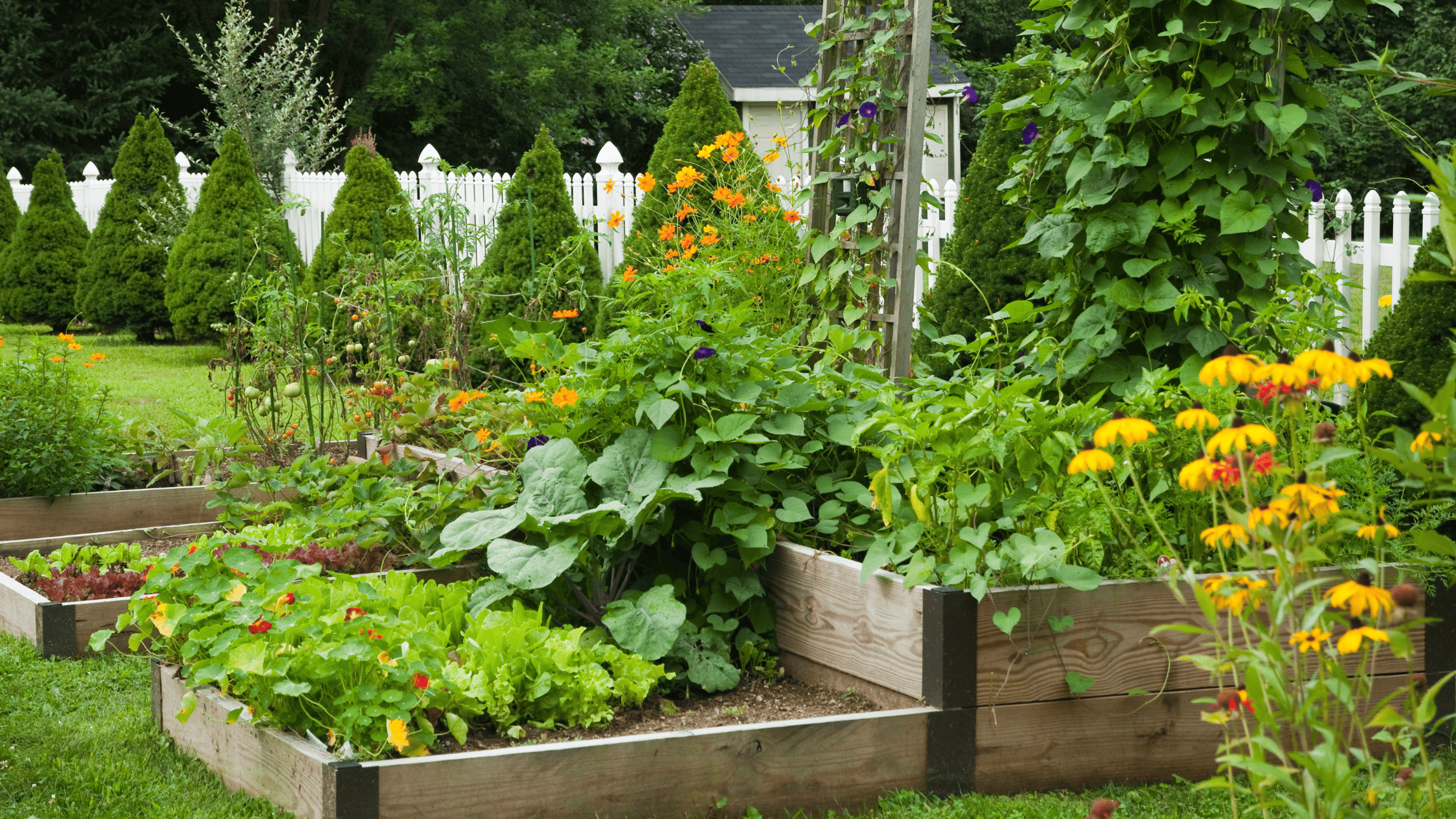
    • The bigger the garden, the more time and energy it will require to maintain. Examine what you want (say, a vegetable garden) and then scale it down (for example, plant one raised bed rather than six). You can always expand next year! This is also true for purchasing plants. It’s easy to get seduced by the bountiful plants at the nursery and come home with far too many. Remember, planting takes time, so buy only what you can comfortably get into the ground within the next day or two.

5. Acquire Basic Gardening Tools

    • Having the proper tools makes garden chores more pleasant — but don’t think you need to buy out the store on day one. Just a few tools and supplies should keep your garden running smoothly. The basics include: gardening gloves, shovel, trowel and weeding tool, long garden hose and spray nozzle, hand pruner, metal rake, and a leaf rake.

6. Mix Up Perennials & Annuals

    • A common beginning gardener mistake is to grab too many plants from the “annuals” section at the nursery, making for a garden that dies back within a single year. For longevity and color, go for a mix of perennials (plants that come back year after year) and annuals (plants that bloom and die within a single season).

7. Repeat Plants for a Cohesive Garden

    • One great way to give your garden a professionally designed look is to repeat the same plants and hardscaping materials in different places throughout the landscape. Avoid picking one plant of each type, as this tends to appear jumbled — even in a wild English cottage-style garden, plants look best when repeated or planted in clusters. The same goes for other materials: Choose just a few hardscaping materials for paths, pots, planters and outdoor furniture, and repeat, repeat, repeat.

8. Seeds + Starts = Affordable Mix!

    • Starting an entire garden from seed can save money, but it can also be incredibly frustrating. Purchasing only started plants is not only expensive, but it also may limit your choice of what to grow. The best option is usually a combination of the two: Pick up some started seedlings at your local nursery and start some of your own from seed. Good plants to start from seed yourself include lettuce, beans, radishes, marigolds, cosmos, sunflowers, and zinnias.

9. Grow What You Like

    • I know this may sound simple, but it’s something that even the most experienced gardeners tend to look over and forget. Just because it’s squash season, if you don’t like it, don’t grow it! Try devoting extra garden space to family favorites like snap peas, radishes, Tuscan kale and mini pumpkins for Halloween.

10. Further Your Garden Education

    • Seek out local workshops to learn more about gardening and connect with other gardeners in your community! Check plant nurseries, community gardens and botanical gardens in your area for free or low-cost workshops on a wide range of topics like using native plants, attracting pollinators, composting, container gardening, and creating a water-wise garden. Gardening is a lifelong learning experience, and even the most seasoned gardeners are learning all the time — so don’t beat yourself up if it seems that there’s too much to know. Just begin somewhere and take it one season at a time. The wonderful thing about gardening is that there’s usually room for do-overs.

I hope you all have a wonderful rest of your March! Until next month!

Resources: Houzz.com
Posted in: Buying A Home, Home Improvement News, Home Maintenance, Portland, Real Estate Tagged: Backyard, Home Tips, Portland, Real Estate, Sean Besso, Sean Besso Realty, Summer

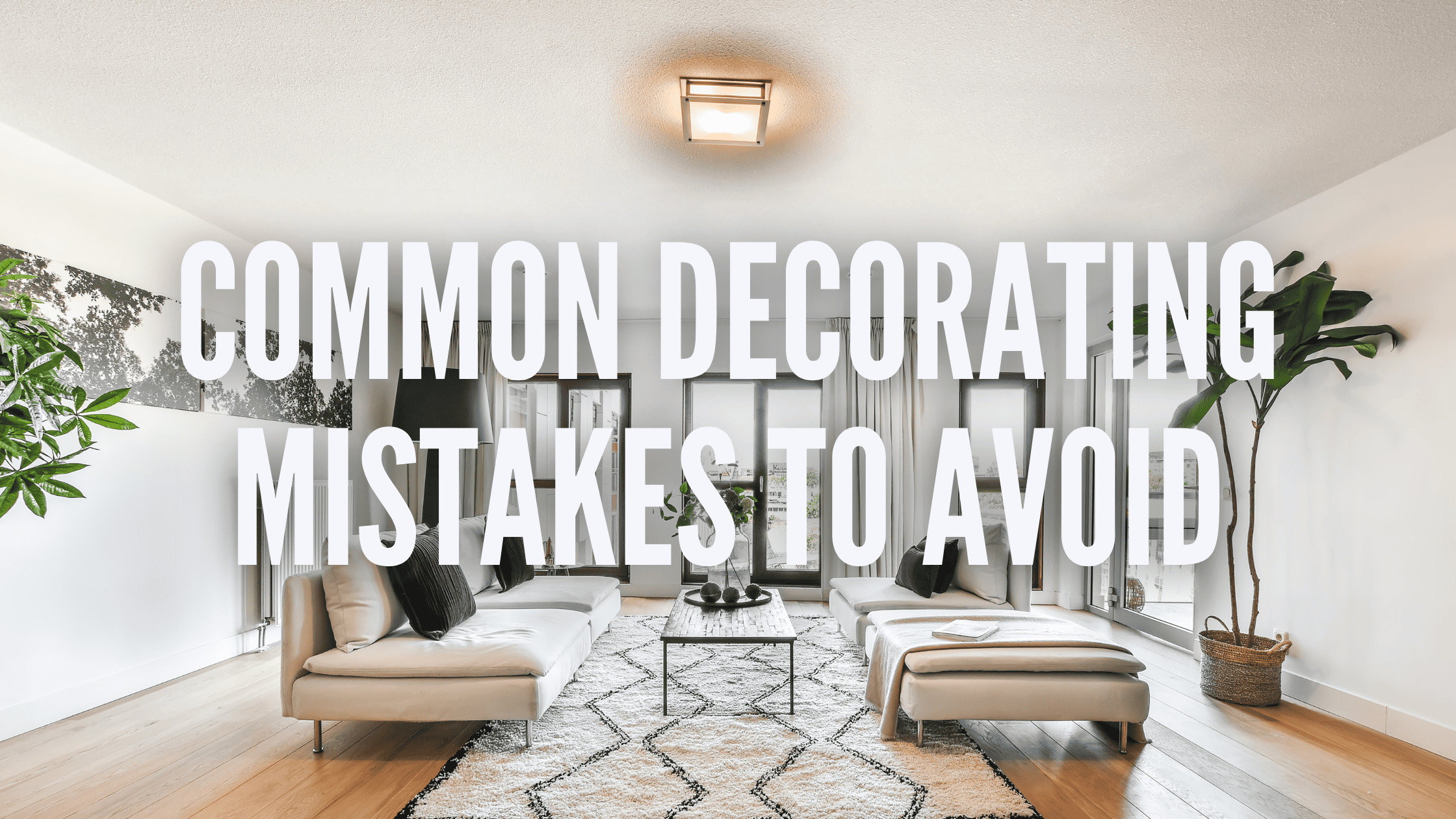
Common Decorating Mistakes to Avoid

Decorating a living room can be a tough job! Choosing color schemes, furniture, making sure everything is proportionate and balanced is a lot to keep in mind so here is a list of the most common styling errors that people make and how to steer well clear of them. 

1. Sofa is Too Large or Too Small

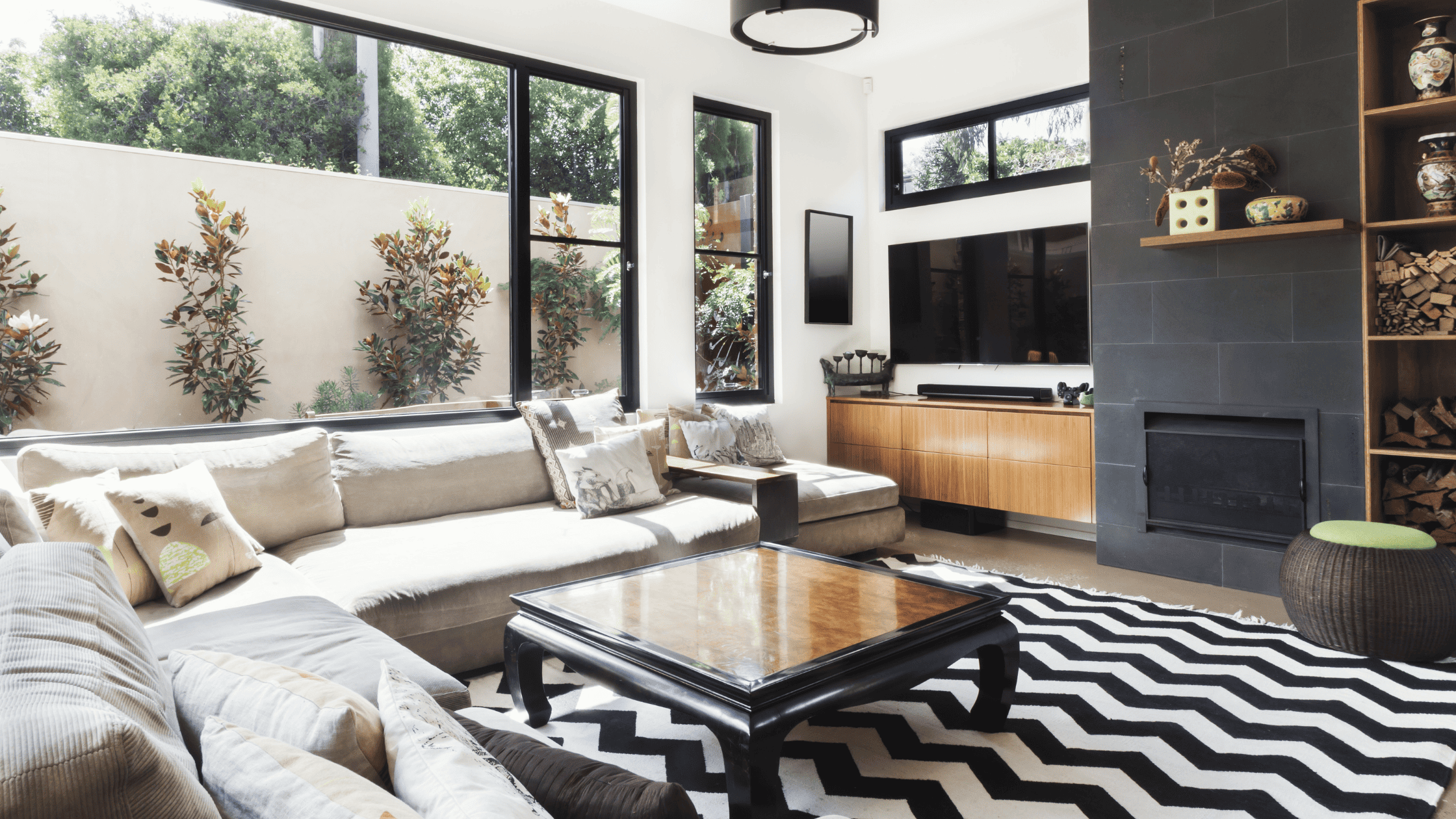
    • Selecting a sofa that’s the wrong scale for your living room is the biggest mistake people make. Keep in mind that a sofa can look entirely different once it leaves the showroom and enters your living room. Color also plays a big part in how big/small the sofa appears. For example, a dark sofa with a floor length skirt can look extremely heavy in a small living room space. You can avoid this mistake by measuring up your living room, the other furniture in the room, and the sofa you have your eye on before you buy. Consider the style of sofa. In a compact living room, consider a sofa on legs and with narrow arms to give the illusion of more space. If you have a large room, you might consider a more substantial sofa, such as one with wide arms that sits close to the ground.

2. Hanging Artwork Too High

    • Artwork is often hung too high to be properly seen or appreciated. Gallery style is the only hanging style that allows for artwork to be hung higher than eye height as it combines artworks of different sizes to create a wall of art. Make sure your artwork is hung at eye height, with the middle of the piece approximately 63 inches from the floor.

3. Making Your TV the Focus of the Room

    • Many homeowners will choose an oversize television that is too big for the room and then center all the furniture around it, forgetting that the living room is for entertaining and conversation too. The television can be an integral part of your living room without being the focus of it. The key is to conceal it as much as possible and create a space that performs dual functions as a watching zone and relaxing/social space. A built-in wall of cabinetry or a ready-made cabinet with shelves are two smart ways to detract attention from a television or conceal it altogether. Use the open sections of the cabinetry to house books, photos, ornaments and other interesting things that will draw the eye from the television and add personality to the room.

4. Rugs That Are Too Small

    • A great rug can be the making of your living room. It grounds your furniture and, in an open-plan space, defines the living area, but the most common mistake people make is purchasing a rug that is too small for the space or the furniture in it. A too-small rug sits separately from the furniture in the room, making the space look disjointed and feel uninviting. You can avoid this by measuring your living room and the main pieces of furniture before shopping. Ideally, the rug you choose should be big enough to allow the key pieces of furniture to sit on top of it. If your living room is not big enough to allow everything to sit fully on your rug, choose a style that is slightly wider than your sofa and allows for the front legs of your sofa and any smaller furniture pieces (such as side tables and stools) to sit on it.

5. Coffee Tables That Are Too Small

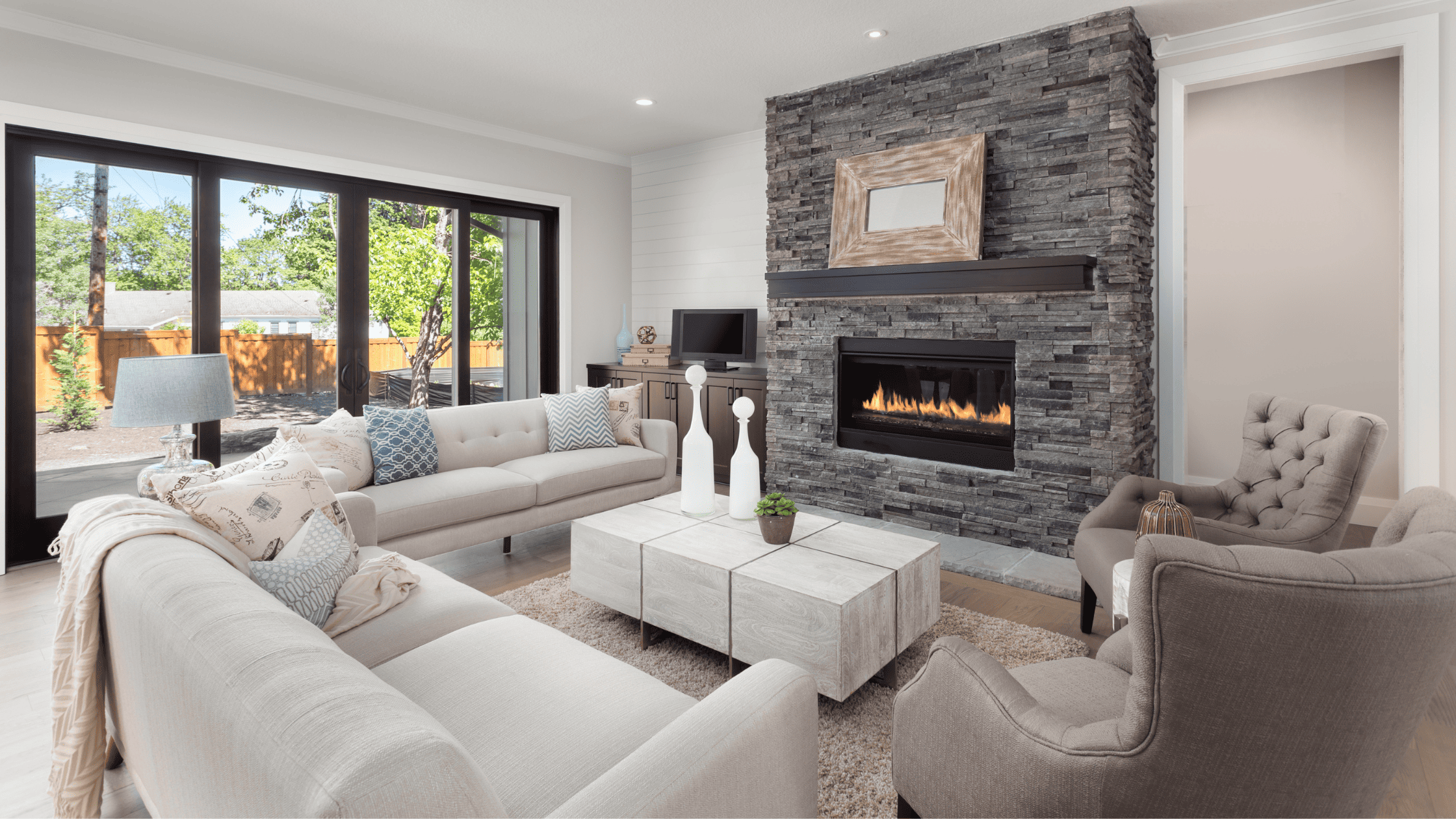
    • Just like rugs, it’s a common mistake to purchase a coffee table for your living room that is too small or doesn’t fit with the rest of your furniture. A too-tiny coffee table can also prove a practical challenge. If the coffee table is too small for the sofa or chairs, it will often get positioned far away from them in an effort to create a sense of balance, which makes it hard to reach. Remember this rules of thumb: your coffee table should be between half to one-third of the length of your sofa. Look to position it about 16 to 20 inches from the sofa and armchairs so you can reach it comfortably.

6. Putting All Your Furniture Against One Wall 

    • Pushing all your living room furniture up against the walls is another common styling mistake people make. When the sofa is against one wall, with a pair of armchairs against another, and the coffee table stranded in the middle of the room where nobody can reach it, the result is a dull room that feels a little like the waiting room in a doctor’s surgery. A good solution is to move the furniture deeper in the room and set up conversation zones that will instantly make the room feel cozier and more welcoming. The arrangement that works best will depend on the shape and size of the room. You may decide to put the sofa against a wall, with a pair of armchairs opposite it and a coffee table in between them. Or, if your living room is spacious, you may choose to place the furniture near the middle of the room, with space around it to move about.

7. Bad Lighting

    • With lighting, the problem comes down to either too much or too little light, and not enough options to allow you to use the space for different functions. Look to create a smart, layered lighting scheme in your living room consisting of different light sources, such as a ceiling pendant, table and floor lamps and up or down lights. Setting them on dimmers allows you to alter the lighting levels and mood to suit the occasion. A layered lighting scheme also allows two people to use the space at the same time for different tasks without disturbing each other. For example, one person might be watching television with the lights dimmed, while another person is reading in the corner of the room with a floor light on, There are three types of lighting you’ll want to include: ambient lighting — a gentle wash of light that allows you to move around safely; accent lighting — to highlight special features in the room, such as art; and task lighting — for reading and other tasks where you need to see clearly.

Have you ever made a decorating mistake that you regret? Let me know in the comments!

Until next month!

Resources: Houzz.com
Posted in: Buying A Home, Home Improvement News, Home Maintenance, Portland, Real Estate Tagged: Decor, Decorating, Home Decorating, Home Remodel, Home Tips, Portland, Real Estate, Remodel, Sean Besso, Sean Besso Realty, Summer

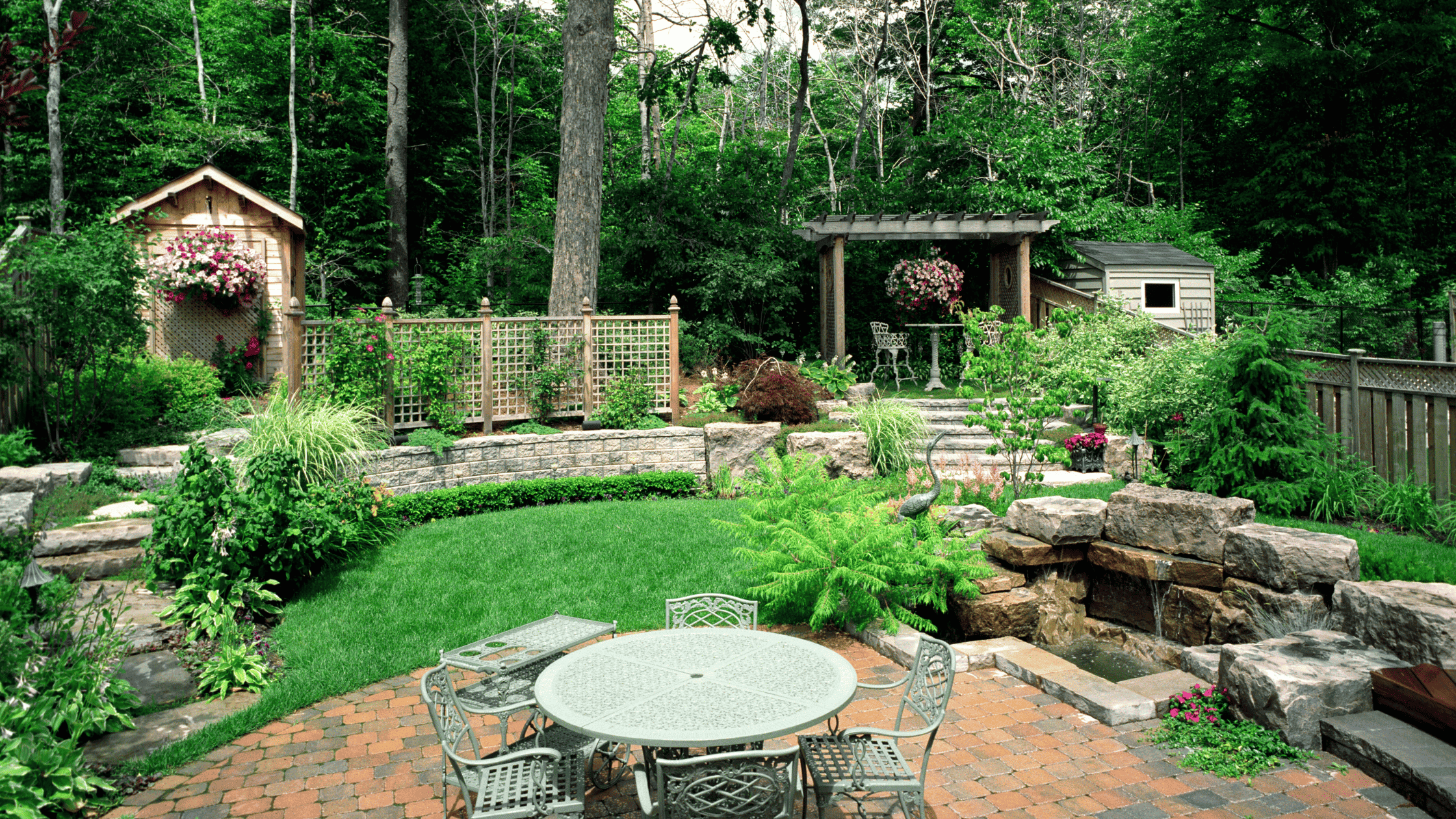
10 Ways to Enjoy Your Backyard More This Summer

Here are 10 ideas to make the most of these months, including ways to spend more time outdoors and easy garden updates with immediate rewards.

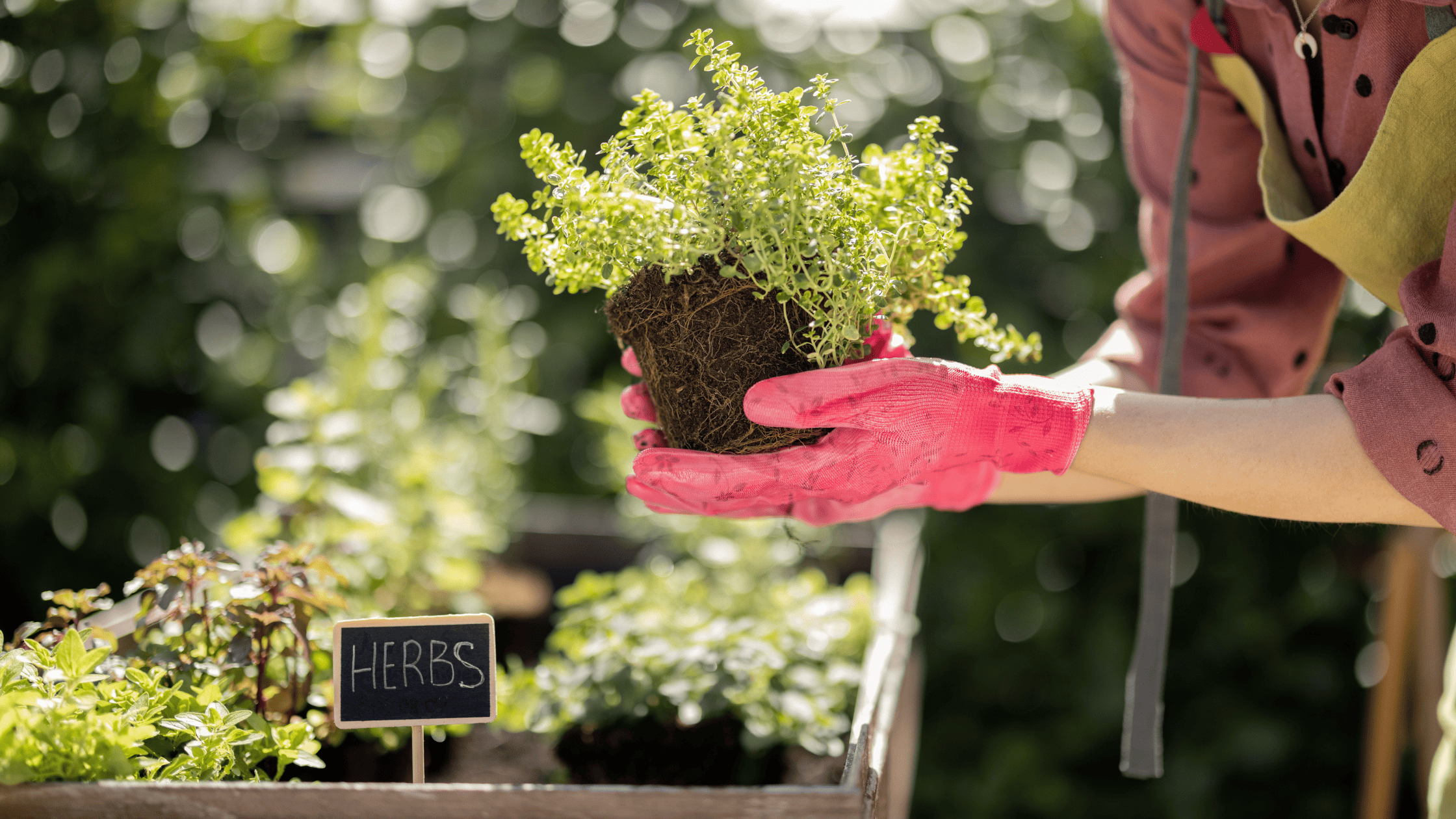
1. Plant a Fruit, Veggie or Herb You’ve Never Grown Before

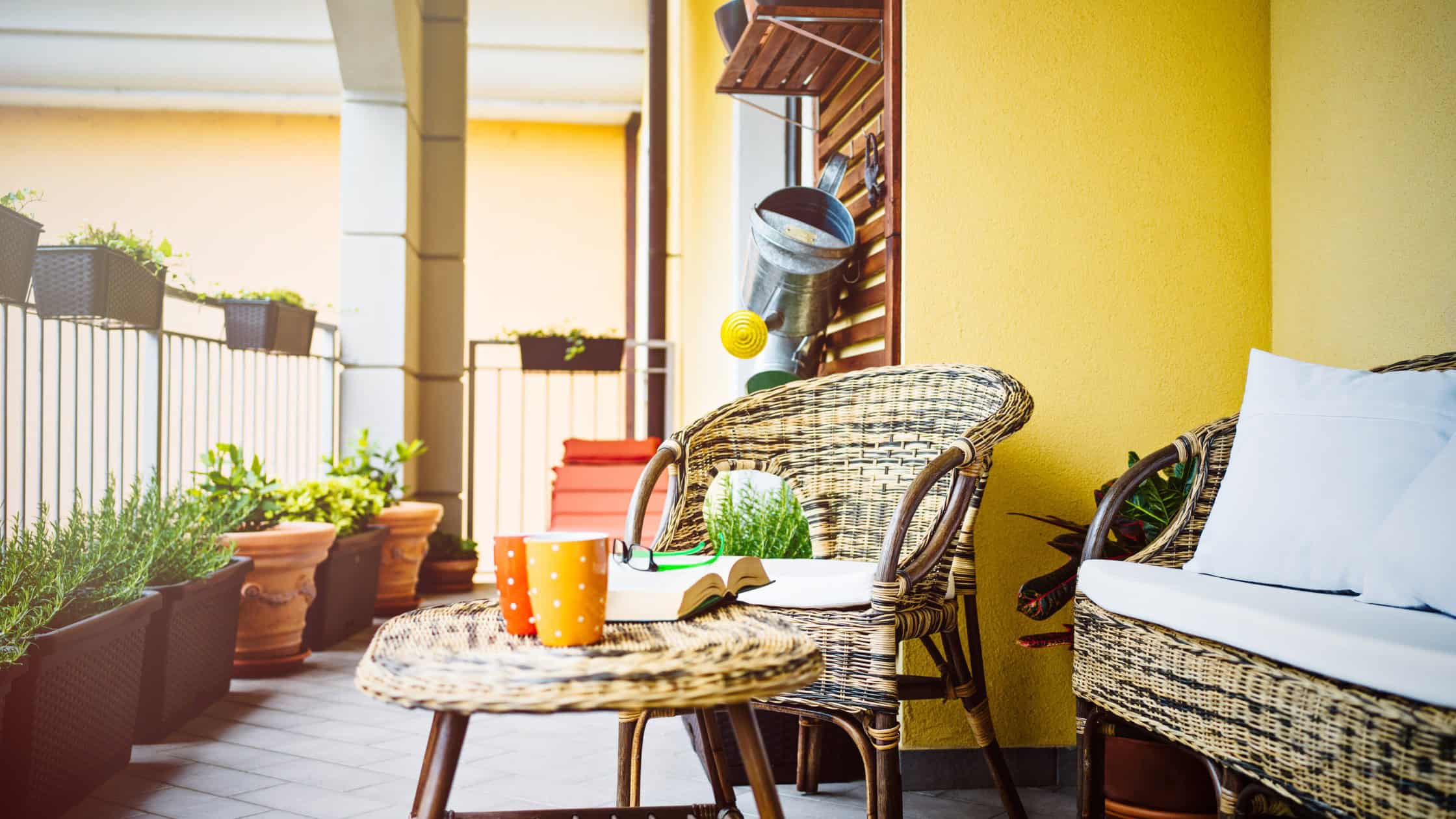
    • Whether you plant ‘Green Globe’ artichokes, heirloom tomatoes, purple beans, alpine strawberries or hot peppers, try growing something new this season. Most likely, you’ll be surprised, even delighted, by how it grows and tastes — and inspired to use the new produce in summer meals. Kitchen garden already maxed out on space? Pot up a few containers with unusual herbs such as Thai basil, shiso, lemongrass, Vietnamese coriander, chocolate mint, chervil or lemon verbena and have them inspire your recipes.

2. Celebrate in the Backyard

    • With a few easy, inexpensive updates, your garden can feel like a new festive spot. Try putting up lights, hanging a paper garland or traditional bunting, bringing out some colorful throw pillows, or investing in a movable fire pit.

3. Switch Up Your Morning Routine

    • Even if you have only five minutes, bring your cup of coffee and slice of toast outside to enjoy in the yard. Perhaps you want to take this time to practice mindfulness, or you may just want to sit back, relax and watch the birds flit among the garden beds. If you’re off to work, you may notice that you feel more calm and centered by starting your day in nature.

4. Refresh Window Boxes

    • These pint-size gardens are a great way to add color to your home without bothering with larger garden tools. Plant the boxes with long-blooming summer annuals and perennials, such as sun-loving lavender, geranium, lobelia and trailing bacopa.

5. Grow Garnishes for Your Favorite Summer Drinks

    • Instead of buying those short-lived supermarket bunches of herbs, plant a few of your go-to varieties for cocktail garnishes. Start with basil, mint, cilantro, or all three, and get creative with others, such as lavender or lemongrass. If you have room in your garden and a Mediterranean climate, consider adding one or two fruit trees with standout cocktail possibilities, such as Meyer lemon, pomegranate and lime.

6. String Up a Hammock

    • Summer evenings are for lounging, and what’s better than swinging from a hammock? Hang one between two trees in your backyard, between the beams of a sturdy pergola or from the rails of an interior courtyard. Don’t have the perfect spot for hanging? Invest in a hammock that comes with its own frame — you’ll have the benefit of being able to choose the most inviting spot in the backyard to place it.

7. Jazz Up Your Planting Beds

    • Plants with interesting foliage often need less tending than those planted primarily for their flowers — you’ll be able to skip deadheading, at least. To make a primarily foliage-based bed just as stunning as one with flowers, choose foliage plants with high color and texture contrast, and plant them close together.

8. Roll Out an Outdoor Rug

    • Make your deck or patio that much more inviting by laying down an outdoor rug for the season. Most outdoor rugs are made of durable nylon, polyester or polypropylene (often from recycled sources), and many are treated to resist fading from exposure to sun. Those made of bamboo, jute and other natural fibers are less weather-resistant and best used on a covered patio or deck.

9. Give Birds and Bees a Water Source

    • If you live in a dry-summer climate, the months between rains can be tough for native birds, insects and other wildlife, particularly in areas where development has taken away their natural water sources. Try setting up a simple fountain, or just fill an empty pot saucer with water, and see what stops by for a drink. Remember to keep the water feature consistently filled and clean, as these small creatures learn to depend on it as a water source.

10. Install an Outdoor Shower

    • Making that dream of a rinse under the sky a reality can be easier than it looks. If you have a water hookup close by — the outdoor wall of an indoor bathroom is a great bet — all it takes to install an outdoor shower is mounting basic plumbing and shower fixtures, and creating a path away from the home for water drainage. Perhaps this is the summer you make it happen.

I hope you all have a wonderful rest of your July! Until next month!

Resources: Houzz.com
Posted in: Buying A Home, Home Improvement News, Home Maintenance, Portland, Real Estate Tagged: Backyard, Home Tips, Portland, Real Estate, Sean Besso, Sean Besso Realty, Summer

Get Your Home Summer Ready!

Summer is around the corner! Get your home warm weather ready with this list of 10 to-dos.

1. Check Outdoor Lighting

    • Make sure all outdoor lights are in working order, including porch lights, landscape lighting and motion-sensing security lights. Replace bulbs or schedule repairs as needed.

2. Keep Cooling Systems Running Smoothly

    • Take the time before hot weather sets in to dust ceiling fans, install window air-conditioning units and schedule maintenance for a whole-house cooling system.

3. Reorganize Your Kitchen

    • The change in seasons is a good time to rethink how you have things arranged in the kitchen. If there are small appliances you use more in the warmer months (a blender for smoothies, perhaps, or an ice cream maker), move them to a more accessible spot, and you will be more likely to use them. Stations devoted to a certain purpose can also do wonders. If you have children on summer vacation, create a self-help station stocked with healthy snacks. Or create an iced-coffee bar or smoothie-making station for yourself with all needed supplies within reach.

4. Hang a Clothesline for Summer Energy Savings

    • While the weather is nice and warm, consider skipping the dryer and hanging your clothes to dry in the fresh air instead. It may not always be possible, but even occasionally putting a clothesline or drying rack to work will save energy. If hang-drying isn’t an option, you can still reduce your energy bill by washing in cold water, cleaning the lint trap and having your dryer vent serviced to increase airflow..

5. Empty Standing Water Regularly

    • The best way to keep mosquito populations down is by regularly checking your property for standing water and emptying it. Even a saucer of water can become a mosquito nursery, so leave no pot unturned!

6. Organize Your Summer Calendar

    • Beach days, lemonade on the porch, pick-your-own fruit farms — with so much to look forward to in summer, don’t let it zip by in the blink of an eye. Be sure you are making the most of your season by creating a list of your personal must-dos and posting it where you can see it. A big chalkboard or family bulletin board would be ideal.

7. Check Safety Devices

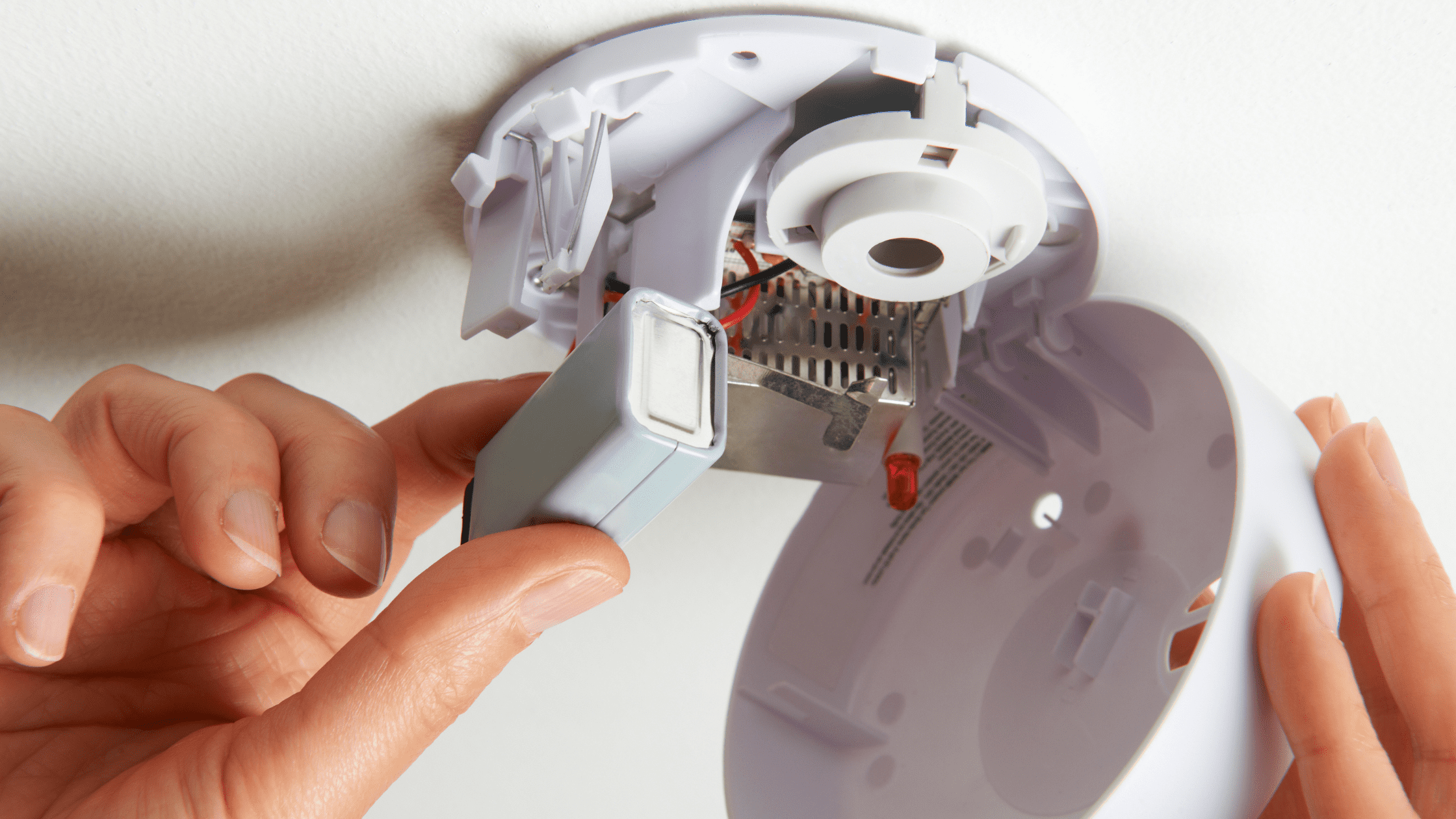
    • Test those smoke detectors and carbon monoxide detectors! It’s also a good idea to check the expiration date on your fire extinguisher and replace if need be.

8. Check Play Equipment for Safety

    • Over time, wood, ropes and fastenings can degrade, making outdoor play equipment potentially unsafe. Check swings, zip lines, slides and other structures for safety; repair or replace as needed.

9. Lighten Up Decor

    • Roll up heavy rugs, put crisp percale or cooling linen sheets on the beds and bring in accents in lighter hues for the warmer months ahead. Breezy white curtains look delightfully cool in summer, but if the weather gets quite hot where you live, you may want to leave heavy window coverings in place. Closing the shades during the heat of the day can actually help keep your house cooler.

10. Get Seasonal Gear Ready

    • What with camping and beach trips, summertime activities come with a lot of gear. Get it cleaned up and ready now, so you’re not surprised by a leaky tent or blown-out beach umbrella when it’s too late to replace them. And if you plan to waterproof anything (tents or outdoor tablecloths, for example), now is the time.

Until next month!

Resources: Houzz.com
Posted in: Buying A Home, Home Improvement News, Home Maintenance, Portland, Real Estate Tagged: Checklist, Home Maintenance, Home Maintenance Checklist, Home Tips, Portland, Real Estate, Sean Besso, Sean Besso Realty, Summer, Summer Home Maintenance Checklist

10 Things You Should Do to Get Your Home Summer Ready

Happy Summer! Get your hot weather ready with this list of 10 to-dos.

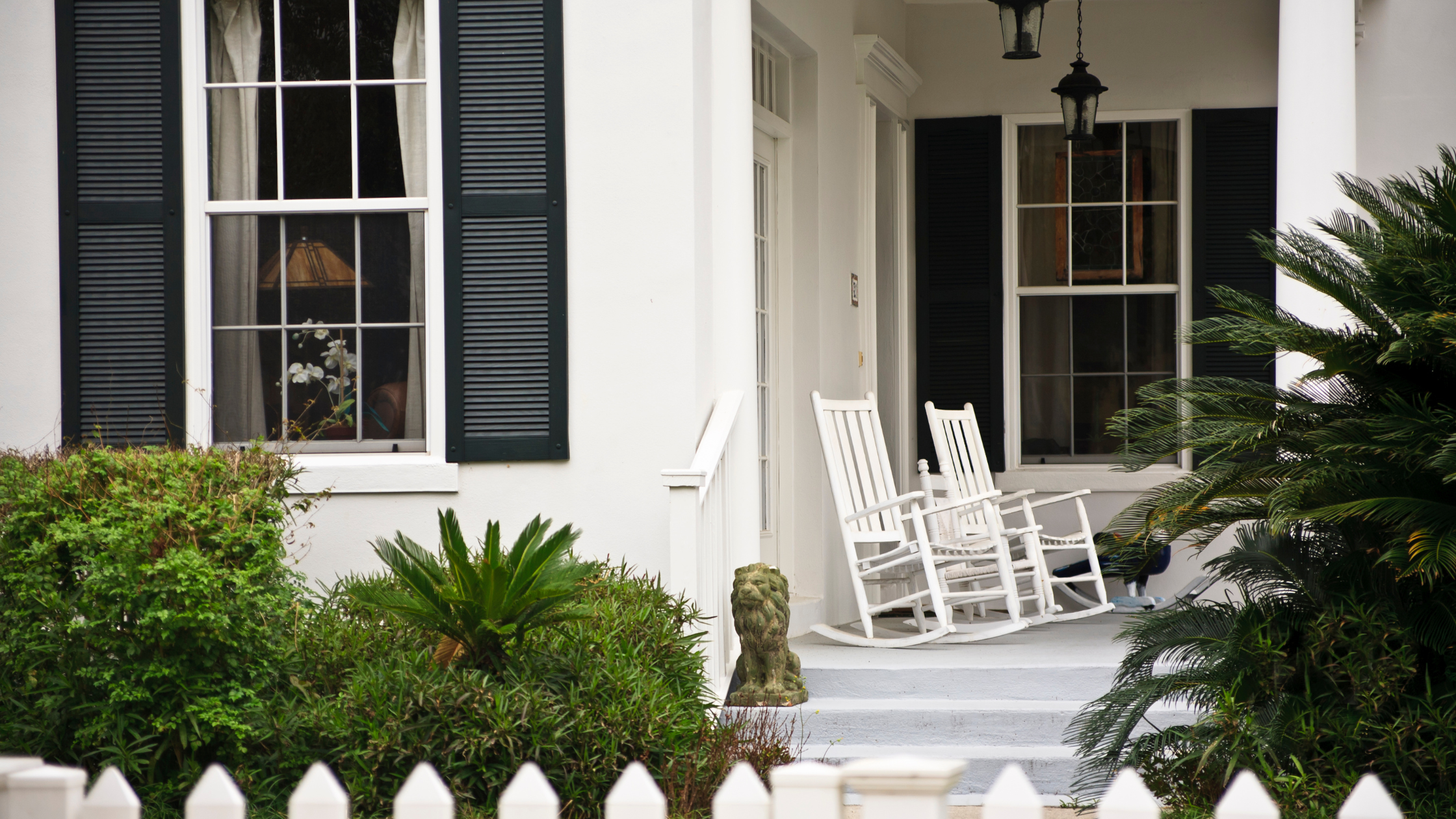
1. Prep Your Porch

    • Get your porch ready for summertime hangouts by cleaning the front door, flooring, exterior windows, and windowsills. Dust light fixtures and remove cobwebs. Add some summer decor with a new doormat and some seasonal flowers.

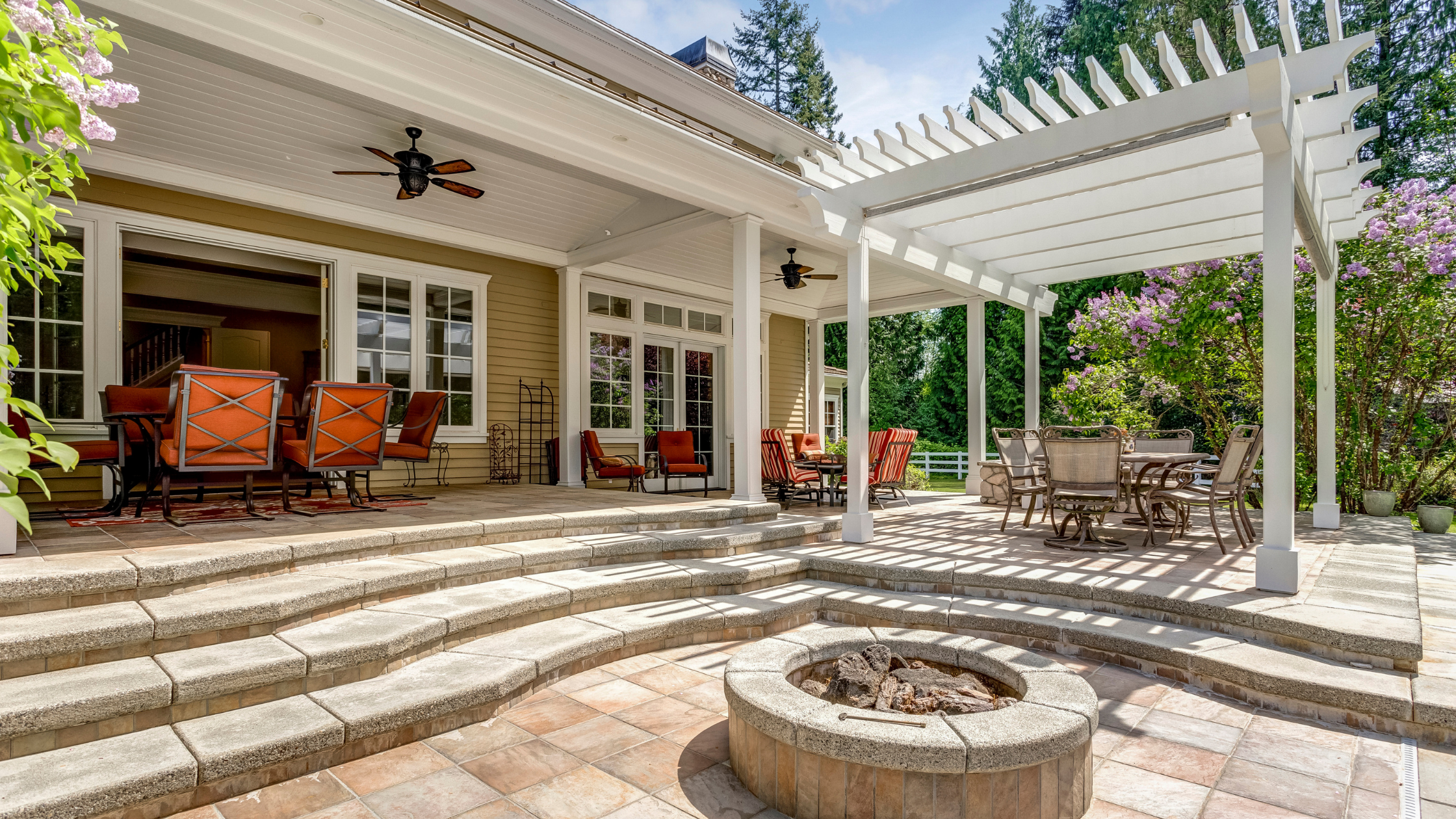
2. Add Shade to Outdoor Spaces

    • Adding a few free-standing umbrellas to your outdoor space will make a huge difference when it comes to enjoying the nice weather or when you are entertaining. For a more permanent solution, considering installing a shade sail.

3. Keep Your Landscape Fire-Safe

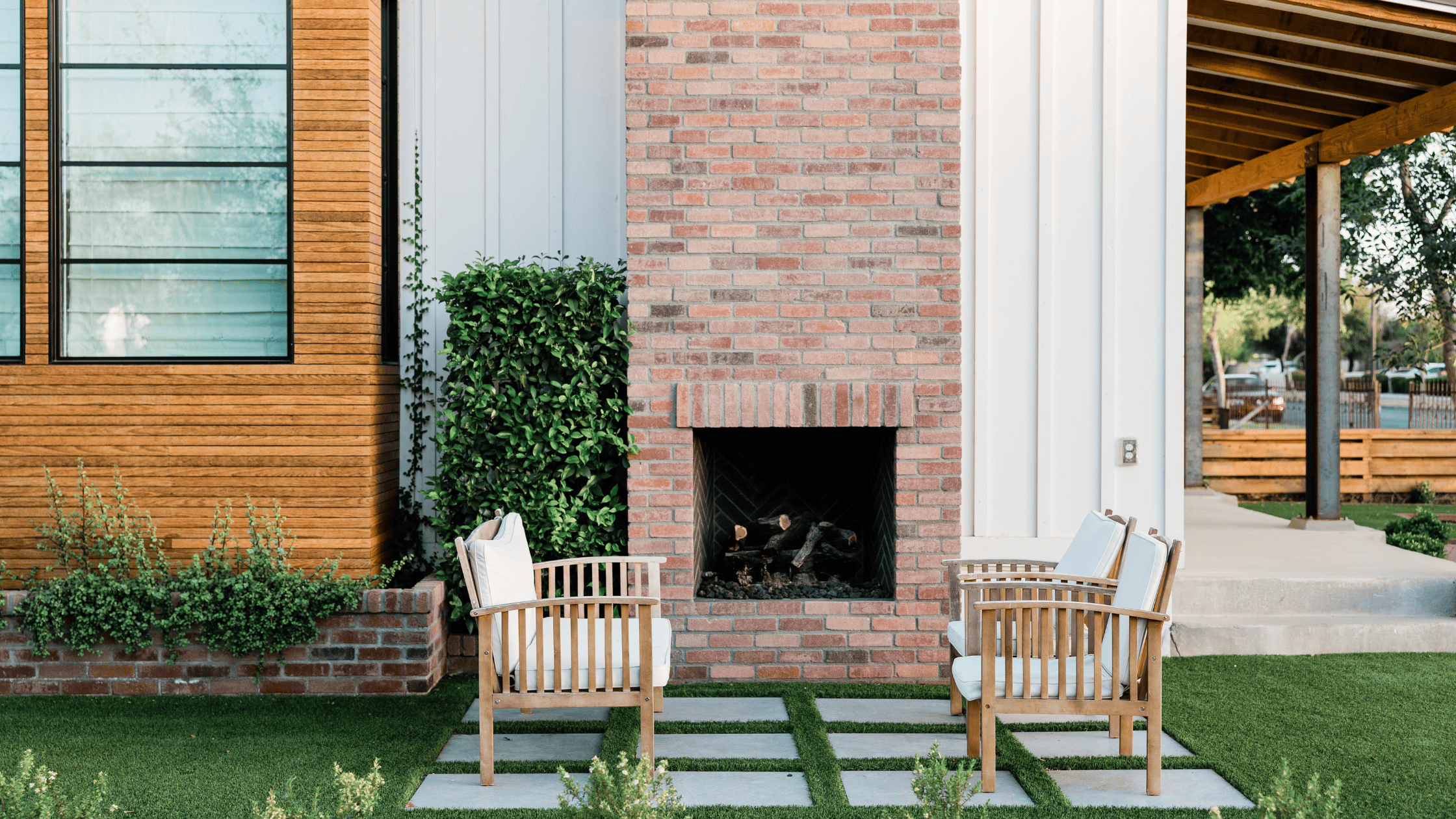
    • It’s important to do what you can to keep your home fire safe, especially if you plan on using a firepit this summer. Remove old fallen leaves, weeds, etc. and if your landscaping gets a little dry due to the heat, spray everything down with water before lighting up the grill or firepit.

4. Keep Mosquitoes at Bay

    • Mosquitoes need stagnant water to breed – even something as small as a soda cap filled with water can become a breeding ground for mosquitoes. Stay ahead of the problem, walk around your property once or twice a week and dump out any water that may be collecting in tarps, children’s toys, flower pots, saucers, bird baths, patio furniture, etc.

5. Clean Out Your Garage

    • It will likely take longer than one weekend to go through, clean, and organize your garage, but it’s well worth it! Once your garage is cleaned out, consider adding wall-mounted storage to keep things neat and off the floor.

6. Check Your Safety Devices

    • You should always check your carbon monoxide and smoke detectors monthly and replace batteries when necessary. Don’t forget to replace them every 10 years!

7. Inspect Kitchen and Bath Fixtures

    • Start by making notes of areas needing new grout or caulk and any slow leaks that need to be repaired. Freshen your kitchen drain by using a garbage disposal cleaner or by grinding a few ice cubes along with a few tablespoons of salt.

8. Tune Up Your Lawnmower and Garden Tools

    • Take your lawn mower and clippers in for a sharpening and tuneup so they’re ready to work hard. Sharp tools are safer and do a better job! After using your garden tools, wipe them off with a damp cloth, dry them well and coat them lightly with a few drops of a multipurpose oil.

9. Schedule Big Home Projects

    • Thinking of replacing your deck or a landscape makeover? Now is the time to schedule the right pro for the job. Contractors tend to fill up fast during the summer so to ensure your project gets done in a timely manner, don’t delay booking.

10. Deep Clean Your Grill

    • Hello grilling season! Make sure your grill is ready for your backyard barbeques by giving it a deep clean. This will also help prevent flare ups while grilling. Clean the grates and interior with a grill brush and wash the exterior with warm, soapy water.

I hope you all have a wonderful summer! Until next month!

Resources: Houzz.com
Posted in: Buying A Home, Home Improvement News, Home Maintenance, Portland, Real Estate Tagged: Checklist, Home Maintenance, Home Maintenance Checklist, Home Tips, Portland, Real Estate, Sean Besso, Summer, Summer Home Maintenance Checklist

Get Your Home Summer Ready!

Summer is right around the corner, so let’s take a break from the “PDX Neighborhood Spotlights” and discuss ways you can get your home ready for the sunny day BBQs ahead of us!

Inspect the Exterior of Your Home

  • Speaking of BBQs, let’s talk grills. If you have a charcoal grill, empty your grill and wipe away any dust or residue. Clean the outside and inside of your grill with hot water, dish soap and a scrub brush. Don’t forget to let your grill dry off before using it. If you have a gas grill, close the lid, turn the heat on high and let the grill cook for about 30 minutes. Once the grill has cooled, use a grill brush to sweep the grill. Clean out all of the drip trays and then wipe down the outside with a sponger and cleaner.
  • Even though cleaning out gutters and downspouts may seem like a spring or fall chore, doing it in the summer is also a good idea because summer storms and high winds can cause debris to fall into your home’s gutters.
  • Inspect your home’s foundation for leaks and cracks. Cracks can create an entry point for groundwater which can lead to serious flooding.
  • Wash your windows inside and out.
  • Repair and repaint any cracked, chipped or faded exterior paint.

Power Wash

  • Pressure wash your home’s siding and brick. There are very few things more satisfying than watching how much dirt, dust and grim pressure washing can remove from your home’s exterior surfaces.
  • Check out this video for some great pressure washing tips.
  • Before pressure washing your porch or deck, inspect it to see if there are any rotting boards that need to be replaced. If you notice any bubbling/cracks in the sealant of your deck, it’s time to reseal!

Inspect the Interior of Your Home

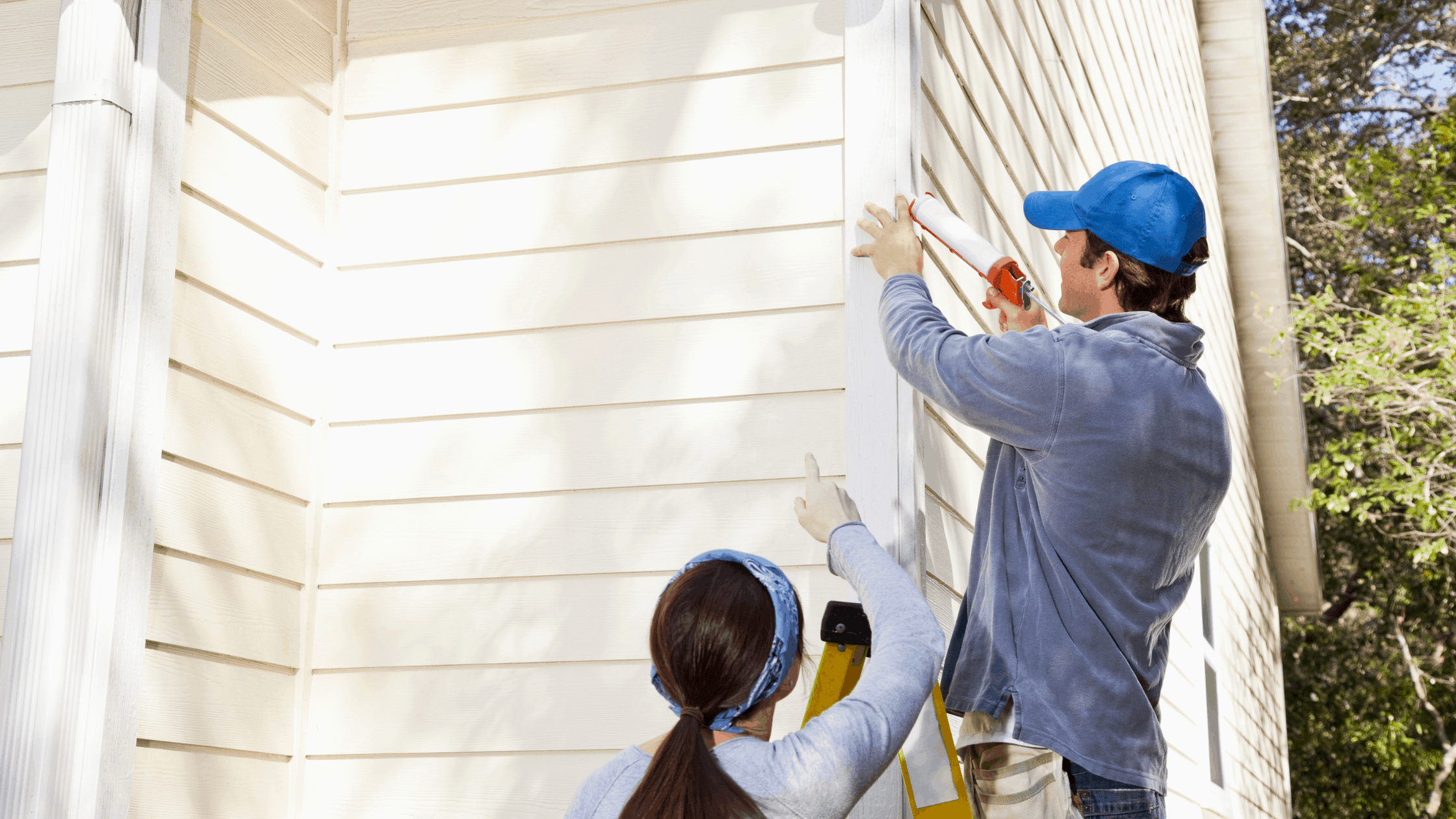
  • Re-caulk seals on doors and windows if you are notice any leakage in your windows/doors. This can also help increase your home’s energy efficiency.
  • Reverse the setting your ceiling fans to counter-clockwise! This pushes air down and helps create a nice breeze in your space.
  • You’re not the only one who loves a nice and cool home… watch out for bug/pest infestations. Try an outdoor bug repellent barrier spray if you start to notice ants or spiders inside your home.
  • Clean your garbage disposal to avoid a costly plumber invoice.

Inspect Air Conditioners

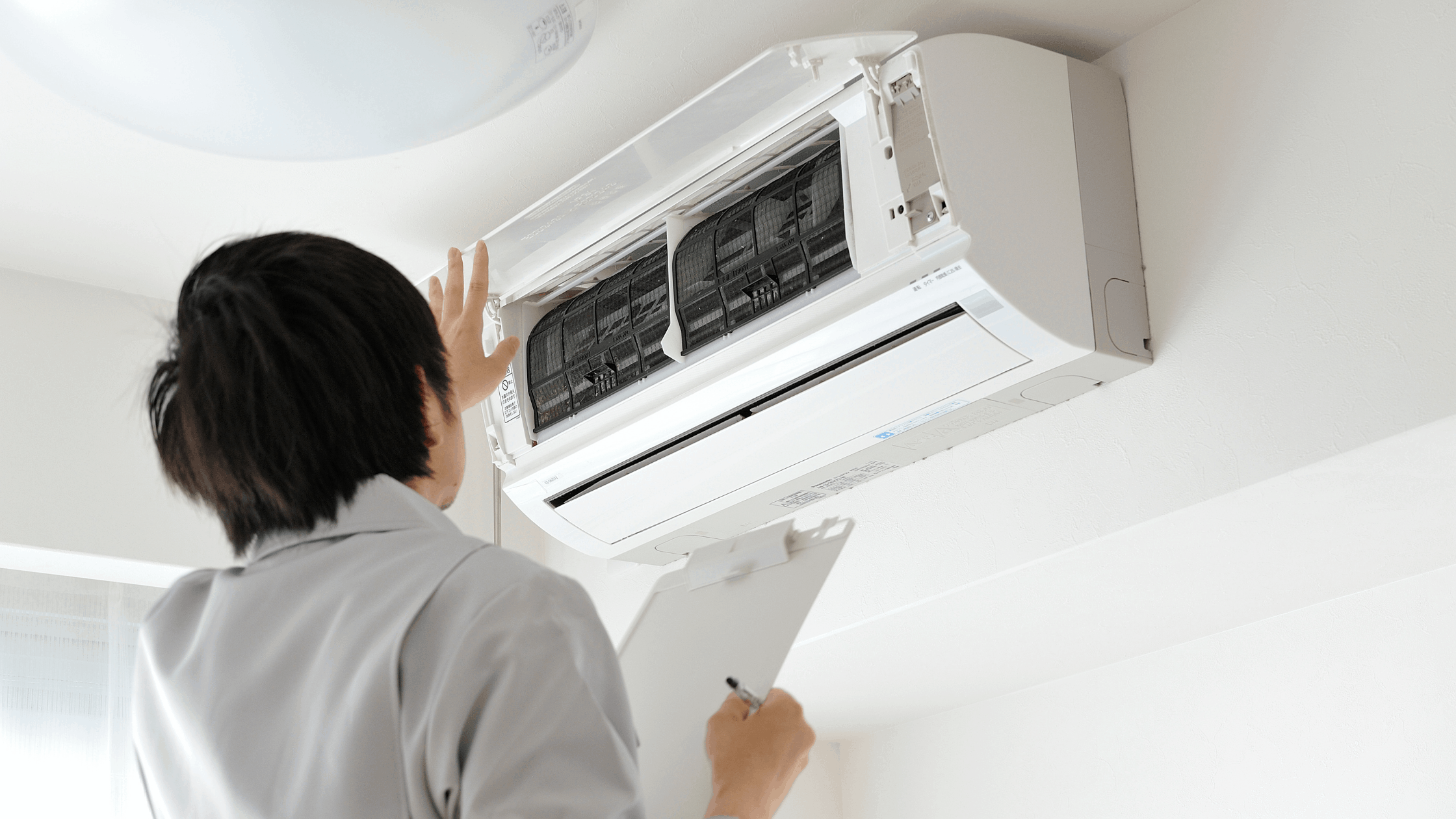
  • Get your A/C checked and serviced. By doing this, you can extend the life of your A/C unit and reduce the need for costly repairs.
  • If you have a window A/C unit, make sure to clean off the filters before using them.
  • If you are running your A/C a lot during the summer months, you’ll want to clean the filters once a month.

Clean Your Dryer Vent!!

  • This is soooooo important! Be sure to clean clogged lint and dust in your dryer vents to avoid house fires (approximately 2,900 home laundry dryer fires are reported each year!).
  • Check out this video for the proper way to clean your dryer vent.

This list may seem a little daunting, but even tackling a few items on this home maintenance checklist will help prevent breakdowns, save you some money and keep your home looking brand spanking new!

Posted in: Buying A Home, Home Improvement News, Home Maintenance, Portland, Real Estate Tagged: Checklist, Home Maintenance, Home Maintenance Checklist, Home Tips, Portland, Real Estate, Sean Besso, Summer, Summer Ready

Quick Search

About Sean Besso

Whether you are an experienced investor or a first time buyer, I can help you in finding the property of your dreams. Feel free to browse through my profile and please don't hesitate to reach out for any of your real estate needs! Meet Sean...

Client Reviews

Impressed with his social, professional and articulate manners. Very responsive to requests. Easily explains situations and information in a format that can be quickly understood and processed by individuals outside of the real estate profession. Enjoyed the experience and learned so much.
- Dan Shoop


More Testimonials

Get in Touch

Sean Besso Broker
Licensed in the State of Oregon
2207 NE Broadway Ste. 100
Portland, OR 97232
Call Us: (503) 444-9008
© 2026 · Sean Besso Broker

Privacy

Privacy Policy | Sitemap | DMCA

Agent Reputation | Real Estate Website Design

Marketing | Order Order
Log in