seanbessorealty@gmail.com
    (503) 353-6673

Sean Besso RealtySean Besso Realty

Oregon Real Estate Lives Here

  • About
    • Sean Besso
    • Online Reviews
    • Leave Feedback
  • Buyers
  • Sellers
  • Communities
    • Beaverton
    • Downtown & the Pearl District
    • Happy Valley & Clackamas
    • NE Portland
    • North Portland
    • NW Portland
    • Oregon City
    • SE Portland
    • SW Portland
    • West Linn
  • Blog

5 Homebuying Tips

It’s best to be prepared before purchasing a home, especially in today’s market! These five helpful tips will help get you started on your homeownership journey.

1. Look at Your Credit

    • One of the first things you should do when beginning the home buying process is to review your credit score. The minimum credit score for most mortgages is around 620.

2. Manage Your Debt

    • After you’ve looked at your credit, see what outstanding debt you have and chip away at it as soon as possible. You can also reach out to a credit counselor to help assist you in managing your debt. They help create a budget and repay your debt.

3. Contact a Mortgage Lender

    • Don’t know any mortgage lenders? Lucky for you, I have multiple resources to help you find a lender that fits your needs. Once you’ve established a mortgage lender, they assist you during the pre-approval process and figure out which loan product works best for you.
4. Put Together a Budget

    • Review your income and expenses. This will help determine how much room you have in your budget for set aside for a downpayment and it’ll help determine what you can comfortably afford when it comes to your monthly mortgage payments. Be sure to consider closing costs and private mortgage insurance (if your downpayment is less than 20%).

5. Consider Low-Downpayment Options

    • There are a ton of various loan products that don’t require 20% or more for a downpayment. Contact your lender (or I can help you find a mortgage lender) and see what options are available for your specific situation.

Bonus Tip: Find a knowledgeable, professional and experienced real estate agent – Like me!

Can’t believe October is right around the corner. I hope you all enjoyed your Summer and have a great Autumn!


Posted in: Buying A Home, Home Improvement News, Home Maintenance, Portland, Real Estate Tagged: Home Tips, Portland, Real Estate, Sean Besso, Sean Besso Realty

September Home Maintenance Checklist

It’s time to start prepping your home for cooler weather! Even though we still have plenty of Summer left, you can get your home ready for Fall with these tasks to do in an hour, over the weekend, or throughout the month. 

1. Maintain the Washer and Dryer

    • Cleaning out the dryer vents can be a job you do yourself, but if you don’t feel comfortable doing so (or if you’ve been putting it off), you may want to hire a pro to do washer and dryer maintenance for you. Washing-machine hoses need to be replaced from time to time, and a cracked hose can cause a leak — which can mean costly damage to your home. Clean dryer vents and hoses will help your machine work more efficiently and reduce the risk of fire.

2. Check Safety Devices

    • Test smoke detectors and carbon monoxide detectors; replace batteries as needed. Check the expiration date on your fire extinguisher and replace if needed.

3. Inspect the Roof and Gutters

    • It’s generally fine to wait until most of the leaves have fallen in autumn to clean out the gutters and downspouts, but giving these areas a quick visual inspection now is a good idea. Pull out any sticks or other debris blocking the gutters, and make note of any worn-out seals around vent pipes and chimneys. If you do not feel comfortable on a ladder, or have a home of two or more stories, hire someone to do a quick inspection for you. Schedule any needed repairs now so that your home will be buttoned up for winter.

4. Schedule Chimney and Furnace Maintenance

    • Make sure your fireplace and heating system are clean, safe and ready to go by having a pro look at them now. Having your chimney cleaned will also ensure that you don’t try to start a fire when an animal family (or an old nest) is inside. And if you don’t have a chimney cap yet, speak with your chimney sweep about adding a one. The metal cap with screened sides can prevent critters from getting in and helps protect your roof from burning embers.

5. Cozy Up with Warm Layers

    • Have you felt that first nip in the air yet? When you do, think about swapping out lighter-weight bedding for flannel sheets and fluffy duvets. Bring added warmth to the other rooms in your house with throws and pillows in rich fabrics like wool, velvet or faux fur. Thicker area rugs and curtains not only feel cozier, but they also can actually help your home feel warmer — and cut down on your energy bills.

6. Order Firewood

    • Whether you use a wood-burning stove or fireplace for actual warmth or just for coziness, now is a good time to order a delivery of firewood. If you can help it, don’t store large quantities of wood directly against the house, which can encourage pests, but do keep it protected from rain and snow beneath a shelter.

7. Clean Leather Furniture

    • It’s important to know whether your leather furniture has a finish before treating it with any products, so check labels or look up the item on the retailer’s or manufacturer’s website before you begin.
      • For unprotected leather (also called aniline), less is more when it comes to cleaning: Wipe with a clean, dry cloth orone slightly dampened with distilled water.
      • For protected leather (also called semianiline or pigmented), you can make your own cleaning solution by adding a few drops of mild nondetergent soap to distilled water, or use a commercial leather cleaning product. Apply with a microfiber cloth.

8. Add Weatherstripping

    • Newer double-pane windows may not need weatherstripping, but it will help most older windows retain heat and stop drafts. Check areas with previously applied weatherstripping and remove or replace as needed.

9. Remove Window A/C Units

    • If you use window air-conditioning units, later this month will be the time to either remove them or cover them outside with protective insulation. Removing the units is the better option because this will allow you to close the windows, minimizing winter heat loss. If you choose to leave them in over the winter, be sure to pick up insulating covers made for this purpose and securely attach them outside.

10. Freshen Up Your Fall Wardrobe

    • If you’ve bought new clothes recently, take this opportunity to sort through the rest of your wardrobe and remove pieces you no longer wear. Collect clothes that need repair and move summer clothes to an out-of-the-way spot so that your fall wardrobe can be front and center. Polish shoes, remove pilling from coats and sweaters, and clean out handbags and totes.

I hope you find this checklist helpful as we get closer to the colder months. Happy Labor Day!

Resources: Houzz.com

Posted in: Buying A Home, Home Improvement News, Home Maintenance, Portland, Real Estate Tagged: Checklist, Fall, Fall Home Maintenance Checklist, Home Maintenance, Home Maintenance Checklist, Home Tips, Portland, Real Estate, Sean Besso, September, September Home Maintenance Checklist

Garden Survival 101: How to Deal with a Heat Wave

As most gardeners know, hot temperatures can cause major stress and sunburn to our outdoor plants. Below are some five tips to keep your plants thriving in the summer heat and hopefully, these methods will decrease any heat wave damage done to your garden. 

Definitions of what constitutes a heat wave vary, with most stating that it’s a period of abnormally high temperatures for that particular region. Some specify that a heat wave lasts at least two days, while others begin at five days. One definition I found stated that a heat wave is when temperatures are 9 degrees Fahrenheit above the average high.

​Plants in containers are most susceptible to extreme heat, as the air temperatures can “cook” the roots as well as the tops. Shallow-rooted plants such as annuals are particularly sensitive to the effects of a heat wave, while most succulents are fairly tolerant.

Now, let’s start with the most important tip –

TIP #1: Water, Water, and More Water

    • High temperatures increase the rate that water is lost to the atmosphere from a plant’s leaves, resulting in wilting and sunburn damage. You’ll need to increase the amount of supplemental irrigation that they receive. It’s best to do this the day before the heat wave arrives. When you water your plants is also important. Irrigating them in the middle of a hot day isn’t effective, as your shrubs and perennials are devoting all their energy to dealing with surviving the heat, not to taking up water. The best time to water plants is early in the morning, when temperatures are lower, which will help carry them through the day. Avoid overwatering, which is also harmful to plants. If the soil is soggy, skip the extra watering session, as it will do more harm than good.

TIP #2: Shade is Your Garden’s New BFF

    • On a hot summer’s day, we all look for a shady spot where temperatures are a few degrees lower. Unfortunately, plants can’t move toward the shade, but we can bring it to them. Nurseries and big-box stores carry landscape burlap and shade cloth, which can be placed on top of plants to screen them from the sun. Other temporary shade methods include using a portable shade canopy to shield an area of the garden from the sun. Even a single patio chair can protect a low-growing plant. If you have container plants, place them on rollers so that you can move them as needed to a shady area.

TIP #3: Avoid Pruning

    • It’s tempting to prune away sunburned growth, as it isn’t attractive, but put away those pruners. Although the outer foliage may be damaged, it’s protecting the interior of the plant by providing shade. Wait to prune away sun-damaged growth until temperatures return to normal. For extra safety, wait until summer is almost over before pruning away in case of the arrival of another heat wave.

TIP #4: Add a Layer of Mulch

    • Hot temperatures don’t affect just the parts of the plant that are above the ground; they also impact the roots. Adding a layer of mulch around trees, shrubs and ground covers will help keep the soil several degrees cooler while preventing it from drying out. Apply mulch about 3 inches thick around your plants, spreading it to the drip line (where the branches extend out to) and taking care to keep it 6 inches away from the trunks of trees.

TIP #5: Skip the Fertilizer 

    • As we talked about earlier, plants devote all their resources to surviving a heat wave. Because of this, they can’t spare the energy to take up fertilizer, which remains in the soil and can “burn” the plant. After the scorching weather has abated, go ahead and resume your regular fertilizing schedule.

Stay cool this upcoming week! Until next month!

Resources: Houzz.com

Posted in: Buying A Home, Home Improvement News, Home Maintenance, Portland, Real Estate Tagged: Home Tips, Portland, Real Estate, Sean Besso, Sean Besso Realty, Summer

Ways to Cool Down Your Home Without Central Air

Whether your home has central air conditioning or not, these helpful tips will keep you cool these summer months and save on energy bills. 

1. Air Circulation

    • A great way to get air circulating is by forcing air flow with a fan/box fan in your window. Night cooling also helps to naturally decrease the temperature in your house and exchange hot interior air for cooler outdoor air. Ceiling fans and standing fans placed near windows at night can help force the air movement when there is no breeze and a small temperature difference. During the day the added air movement from fans can help the perception of heat, which is tied to humidity.

2. Block the Sun from Reaching Your Windows

    • The more shading you can include on the outside, the better. Consider a simple overhang made with brackets and wood slats to block your windows from the intense summer sun. Solar-control window films can offer UV protection and reduce the amount of heat gained from solar radiation. Compared with some elaborate shading systems, these could be a less expensive alternative. Even simple bamboo blinds can block a good portion of sunlight without completely sacrificing daylight.

3. Add Interior Drapes, Blinds or Shades

    • Once the heat from the sun’s rays passes through the glass of a window, that heat is in the house and will need to be ventilated to escape. To keep your floors and walls from soaking up that heat from direct rays and emitting it throughout the day, it can help to add another layer of protection between the window and the main thermal mass of your home. Sheer window treatments are a nice way to mitigate direct sun rays to the floor but maintain soft, natural daylight. Plus, white reflects sunlight better than colors.

4. Transition Your Bed Into Summer Mode

    • I don’t know about you, but I feel summer heat the most when I’m trying to sleep. Reduce the amount of bedding you have and stick to natural fabrics like linen or 100 percent cotton. Synthetic blends don’t breathe enough to release all the heat we generate during the night. Have a porch or balcony? Consider transitioning it into a sleeping porch. Depending on your home or apartment and security concerns, you may have a little exterior screened-in space that can be used like a sleeping porch. You could have a little daybed with light linens for nights when it’s comfortable enough to sleep in open air.

5. Turn Off Major Appliances During the Day

    • To help maintain those cooler temperatures during the day, reduce anything that generates heat in your house or apartment. For example, don’t use the dryer or oven and try not to open the fridge too often. The more you open it, the more the motor has to work to cool it down again, and the heat generated from that work will be released back into your apartment.

6. Stay Hydrated

    • What may seem like the most simple solution is usually the solution looked over the most often. Stay hydrated! Drinking water also helps regulate body temperatures.

I hope you all have a wonderful rest of your June! Until next month!

Resources: Houzz.com

Posted in: Buying A Home, Home Improvement News, Home Maintenance, Portland, Real Estate Tagged: Home Tips, Portland, Real Estate, Sean Besso, Sean Besso Realty, Summer

May Home Maintenance Checklist

April shower bring May flowers! Here is a home maintenance checklist that will help get your spaces ready for the nicer weather we have ahead of us. Tick these 10 items off your to-do list so you can get to the good stuff like hanging out around the grill, kicking back on the porch and savoring the season.

1. Get Ready for Grilling Season

    • Giving your grill a deep cleaning before the start of the season will help it work more efficiently and prevent flare-ups. Clean the grates and interior with a grill brush and wash the exterior with warm, soapy water. Clean and organize your grilling tools (tongs, spatula, skewers) and pick up charcoal or propane if needed. If you have a gas grill, be sure to check the fuel line for cracks and clean out any clogged burner holes.

2. Check Outdoor Lighting

    •  Make sure all outdoor lights are in working order, including porch lights, landscape lighting and motion-sensing security lights. Replace bulbs or schedule repairs as needed.

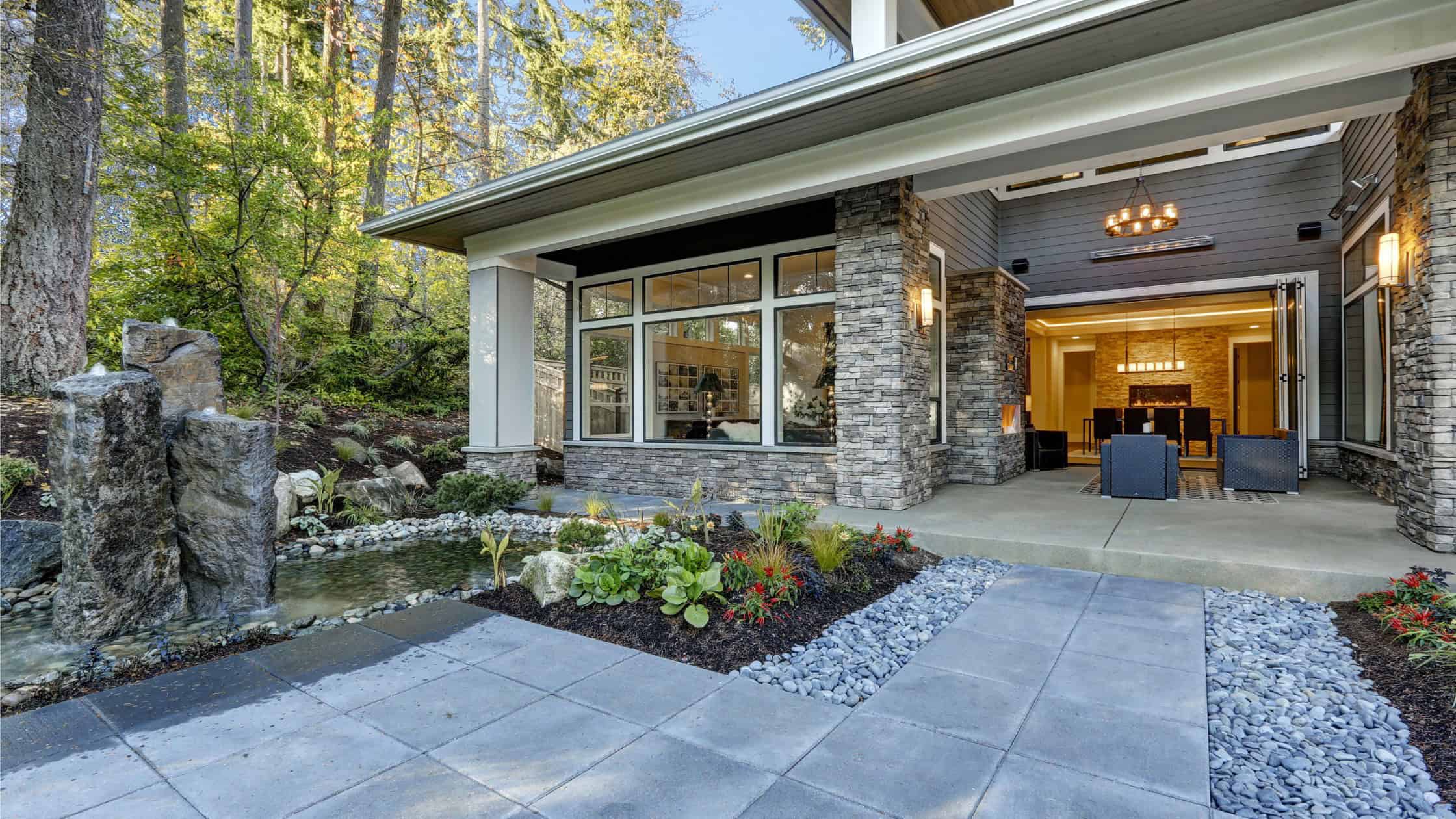
3. Maintain/Repair Garden Paths

    • Create neat edges, pull weeds, fill in gravel paths with fresh gravel and replace or reposition broken steppingstones.

4. Tend to Your Potted Plants

    • If you have potted plants that stay indoors over winter, bring them out once the danger of frost has passed. To help your plants acclimatize, find a protected spot out of direct sun for the first several weeks outdoors.

5. Inspect Kitchen & Bathroom Fixtures

    • Keeping an eye on these areas can help prevent costly water damage and repairs later on. Make a plan to re-grout or re-caulk around counters and tile as needed. If you come across any slow leaks, have these repaired as well.

6. Clean Walls & Touch Up Paint

    • Use a dusting attachment on your vacuum or an electrostatic duster to remove dust from walls, paying special attention to corners and baseboards. For a deeper clean, wipe down walls with warm, soapy water after dusting. Rinse with clean water, using a lint-free cloth. Touch up paint as needed on interior walls and trim.

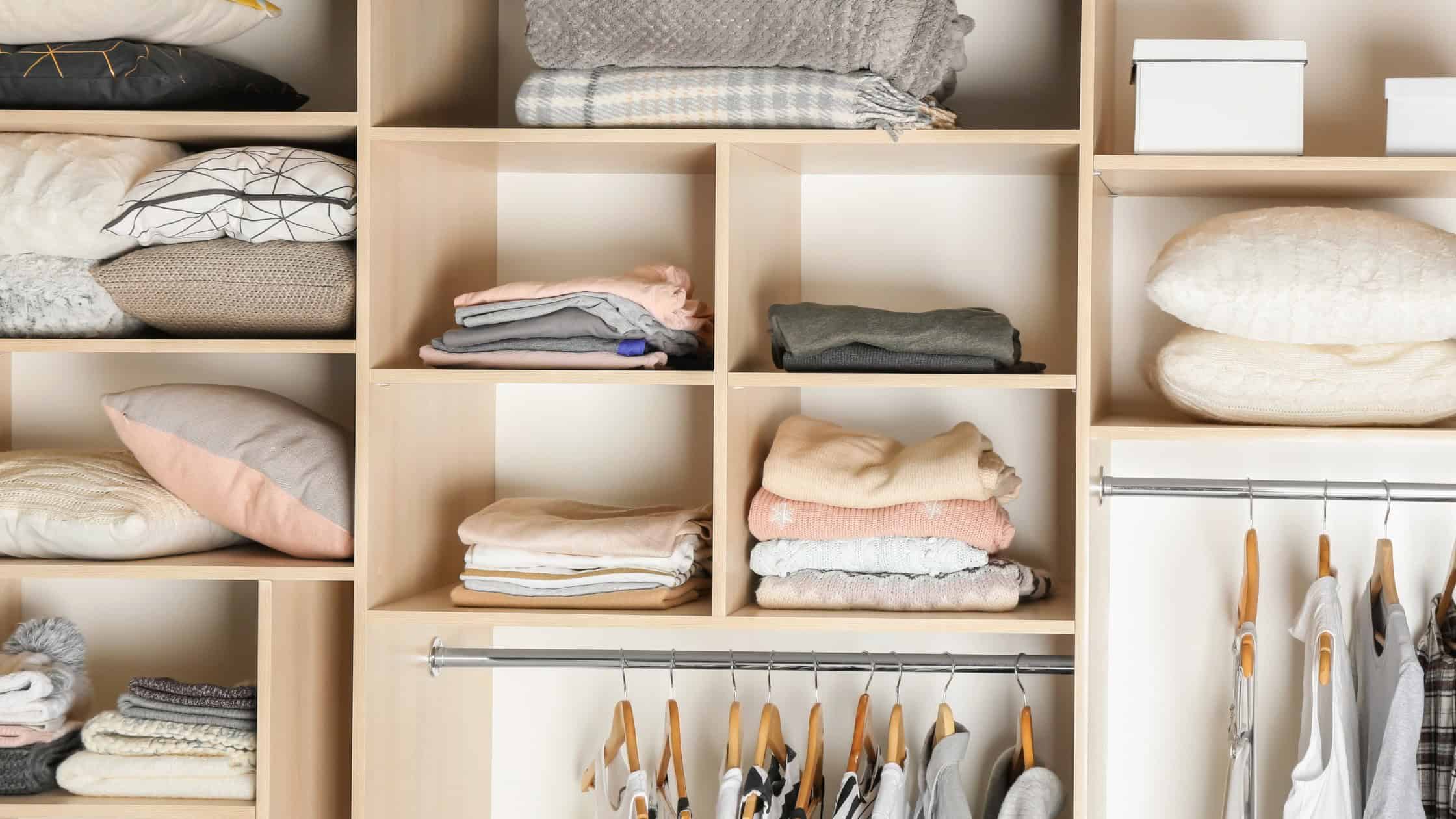
7. Clean Items on Open Shelves

    • Infrequently used items stored on open shelves can get pretty grimy over time. For items with a thin layer of dust, swipe with an electrostatic duster. If there is a thicker layer of dust, of if the items are in the kitchen (where cooking grease can be an issue), wash each piece in a tub of warm, soapy water. Rinse and allow everything to dry before replacing.

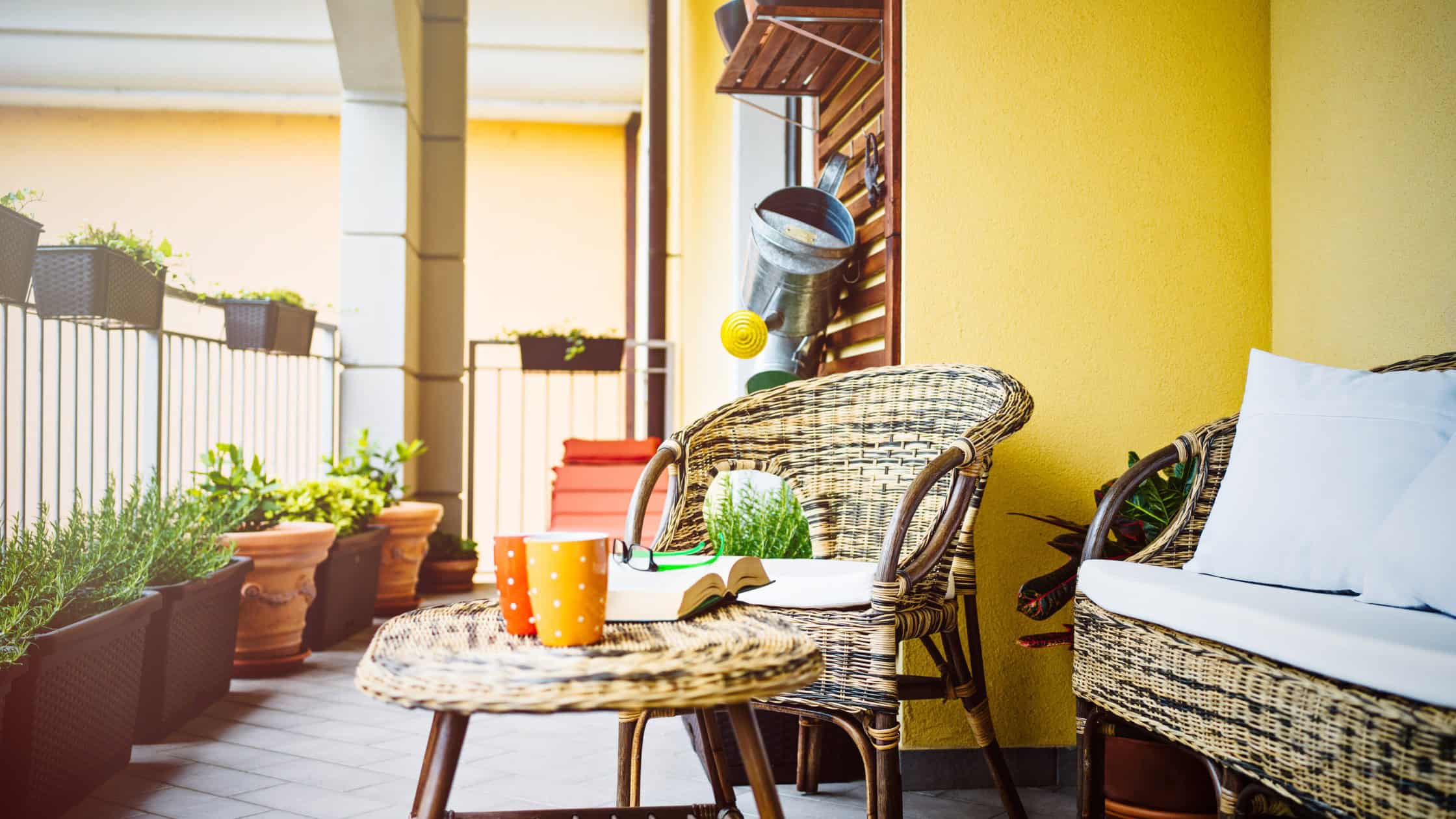
8. Add a Relaxing Porch or Backyard Feature

    • Make your home’s porch or backyard more inviting with a cohesive piece of furniture. Furniture pieces to consider include a porch swing, rocking chairs, outdoor umbrellas or curtains, etc.

9. Clean Your Laundry Room/Area

    • Run your washer with a speciality washing machine cleaner or white vinegar on a hot water cycle. Thoroughly wipe the rubber rim inside the washer and dryer doors and remove lint from the dryer vent with a vent brush or vacuum attachment. Clean countertops, mop floors and restock supplies.

10. And As Always – Check Your Smoke and Carbon Monoxide Detectors

    • Smoke alarms should be tested at least once a month and replaced every 10 years — even if they still appear to be in working order, according to the U.S. Fire Administration. Test smoke detectors and carbon monoxide detectors; replace batteries as needed. Check the expiration date on your fire extinguisher and replace it if necessary.

Whether you want to get your backyard ready for Memorial Day weekend or want to wrap up some spring cleaning, I hope this checklist helps you tackle some house chores! Until next month! 🙂

Resources: Houzz.com

Posted in: Buying A Home, Home Improvement News, Home Maintenance, Portland, Real Estate Tagged: Checklist, Home Maintenance, Home Maintenance Checklist, Home Tips, January, January Home Maintenance Checklist, Portland, Real Estate, Sean Besso, Winter, Winter Home Maintenance Checklist

Quick Tips for Beginner Gardeners

Spring has sprung and now it’s time to bust out your gardening tools and enjoy the fresh air. So many rewards come with gardening, but starting your very first garden can feel very overwhelming. Luckily, gardens can be surprisingly forgiving and the best way to learn is by diving in. Here are 10 tips to help get a new garden off on the right foot.

1. Jot Down Your Goals, Style & Design Ideas

    • Start searching the web and social media platforms (like Pinterest, Instagram, TikTok, etc.) and write down any ideas that inspire or speak to you. See if you can find a common theme that incorporates your favorite design ideas. Some themes could include an Asian-inspired Zen garden, simple yet cozy Cottage garden, or an Modern Industrial garden. Once you’ve locked down a theme/style, take a moment to jot down the activities and features you imagine enjoying in your landscape. If you have children, you may need a lot of open space for running around. Or perhaps you dream of relaxing in the middle of a big wildflower meadow — whatever it is, write it down.

2. Explore & Get to Know Your Gardening Site

    • Consider some of the following ideas that will help you get familiar with your property before starting your garden: Take a leisurely stroll around your property with a notebook and make a rough sketch of the existing planting areas. Create a garden “map” and note which areas get the most sun and which are shaded. Buy a simple soil test from your local garden center and it will tell you whether your soil is well-balanced in nutrients and pH. If you plan on growing fruits, veggies, herbs, etc. be sure to test your soil for any lead. You can send your soil samples to the Lead Safe America Foundation for a free lead test. Make note of your existing plants, fences, and paths and decide what is staying and what is going.

3. Make a Plan

    • No matter how big or small you want your garden, having a plan is key. If you’re not sure which plants to buy, visit a local nursery and take photos of the plants you like and might want to put in your garden. Look at the tags and note when they bloom, sun requirements, and water requirements. Pulling this information together into a sketched-out plan takes a little extra time, but will make for a more successful garden in the end. Choose plants that bloom in different seasons for year-round color, and be sure to pick plants with similar sun and water requirements to plant together.

4. Start Small

    • The bigger the garden, the more time and energy it will require to maintain. Examine what you want (say, a vegetable garden) and then scale it down (for example, plant one raised bed rather than six). You can always expand next year! This is also true for purchasing plants. It’s easy to get seduced by the bountiful plants at the nursery and come home with far too many. Remember, planting takes time, so buy only what you can comfortably get into the ground within the next day or two.

5. Acquire Basic Gardening Tools

    • Having the proper tools makes garden chores more pleasant — but don’t think you need to buy out the store on day one. Just a few tools and supplies should keep your garden running smoothly. The basics include: gardening gloves, shovel, trowel and weeding tool, long garden hose and spray nozzle, hand pruner, metal rake, and a leaf rake.

6. Mix Up Perennials & Annuals

    • A common beginning gardener mistake is to grab too many plants from the “annuals” section at the nursery, making for a garden that dies back within a single year. For longevity and color, go for a mix of perennials (plants that come back year after year) and annuals (plants that bloom and die within a single season).

7. Repeat Plants for a Cohesive Garden

    • One great way to give your garden a professionally designed look is to repeat the same plants and hardscaping materials in different places throughout the landscape. Avoid picking one plant of each type, as this tends to appear jumbled — even in a wild English cottage-style garden, plants look best when repeated or planted in clusters. The same goes for other materials: Choose just a few hardscaping materials for paths, pots, planters and outdoor furniture, and repeat, repeat, repeat.

8. Seeds + Starts = Affordable Mix!

    • Starting an entire garden from seed can save money, but it can also be incredibly frustrating. Purchasing only started plants is not only expensive, but it also may limit your choice of what to grow. The best option is usually a combination of the two: Pick up some started seedlings at your local nursery and start some of your own from seed. Good plants to start from seed yourself include lettuce, beans, radishes, marigolds, cosmos, sunflowers, and zinnias.

9. Grow What You Like

    • I know this may sound simple, but it’s something that even the most experienced gardeners tend to look over and forget. Just because it’s squash season, if you don’t like it, don’t grow it! Try devoting extra garden space to family favorites like snap peas, radishes, Tuscan kale and mini pumpkins for Halloween.

10. Further Your Garden Education

    • Seek out local workshops to learn more about gardening and connect with other gardeners in your community! Check plant nurseries, community gardens and botanical gardens in your area for free or low-cost workshops on a wide range of topics like using native plants, attracting pollinators, composting, container gardening, and creating a water-wise garden. Gardening is a lifelong learning experience, and even the most seasoned gardeners are learning all the time — so don’t beat yourself up if it seems that there’s too much to know. Just begin somewhere and take it one season at a time. The wonderful thing about gardening is that there’s usually room for do-overs.

I hope you all have a wonderful rest of your March! Until next month!

Resources: Houzz.com

Posted in: Buying A Home, Home Improvement News, Home Maintenance, Portland, Real Estate Tagged: Backyard, Home Tips, Portland, Real Estate, Sean Besso, Sean Besso Realty, Summer

Common Decorating Mistakes to Avoid

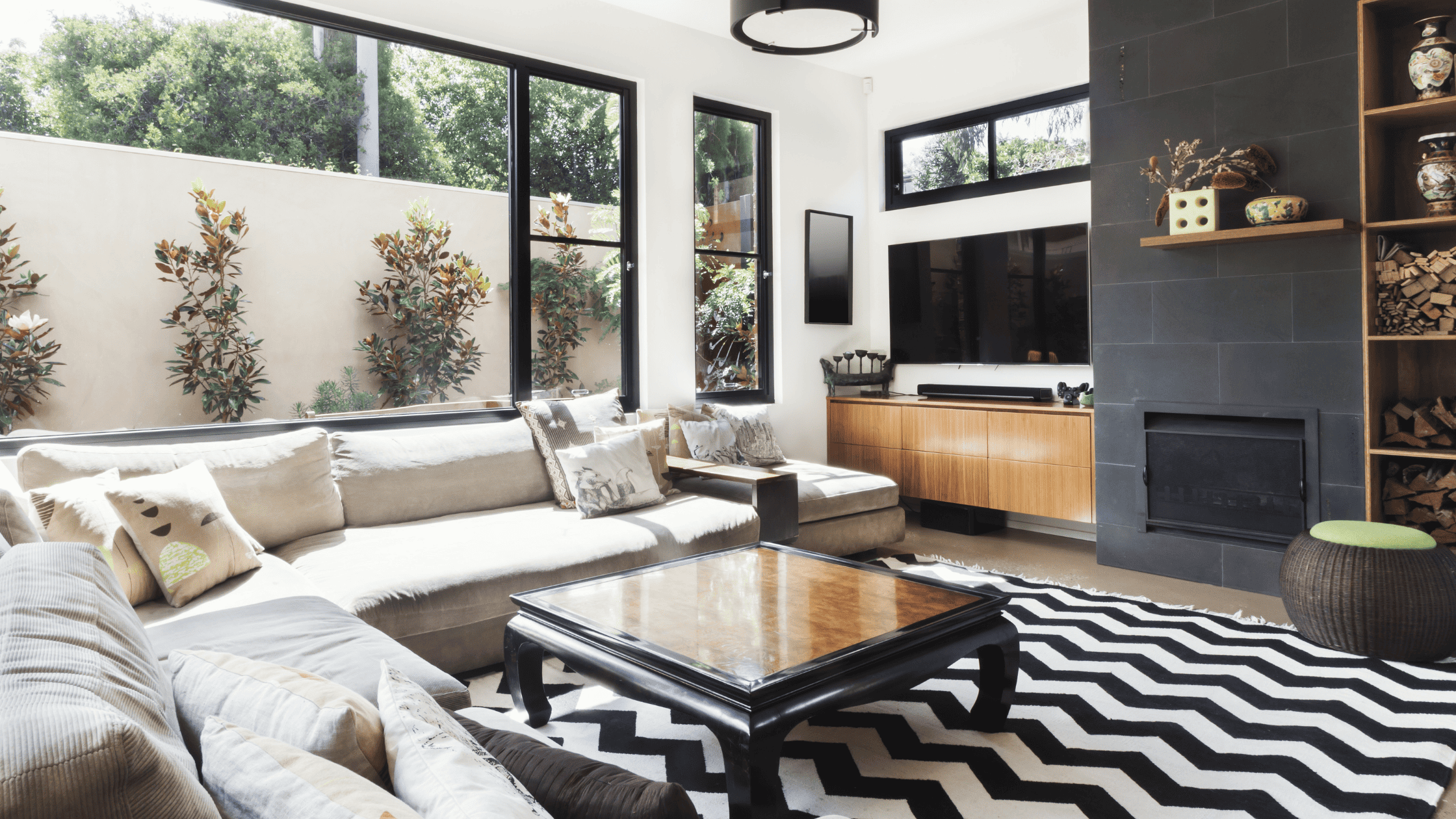
Decorating a living room can be a tough job! Choosing color schemes, furniture, making sure everything is proportionate and balanced is a lot to keep in mind so here is a list of the most common styling errors that people make and how to steer well clear of them. 

1. Sofa is Too Large or Too Small

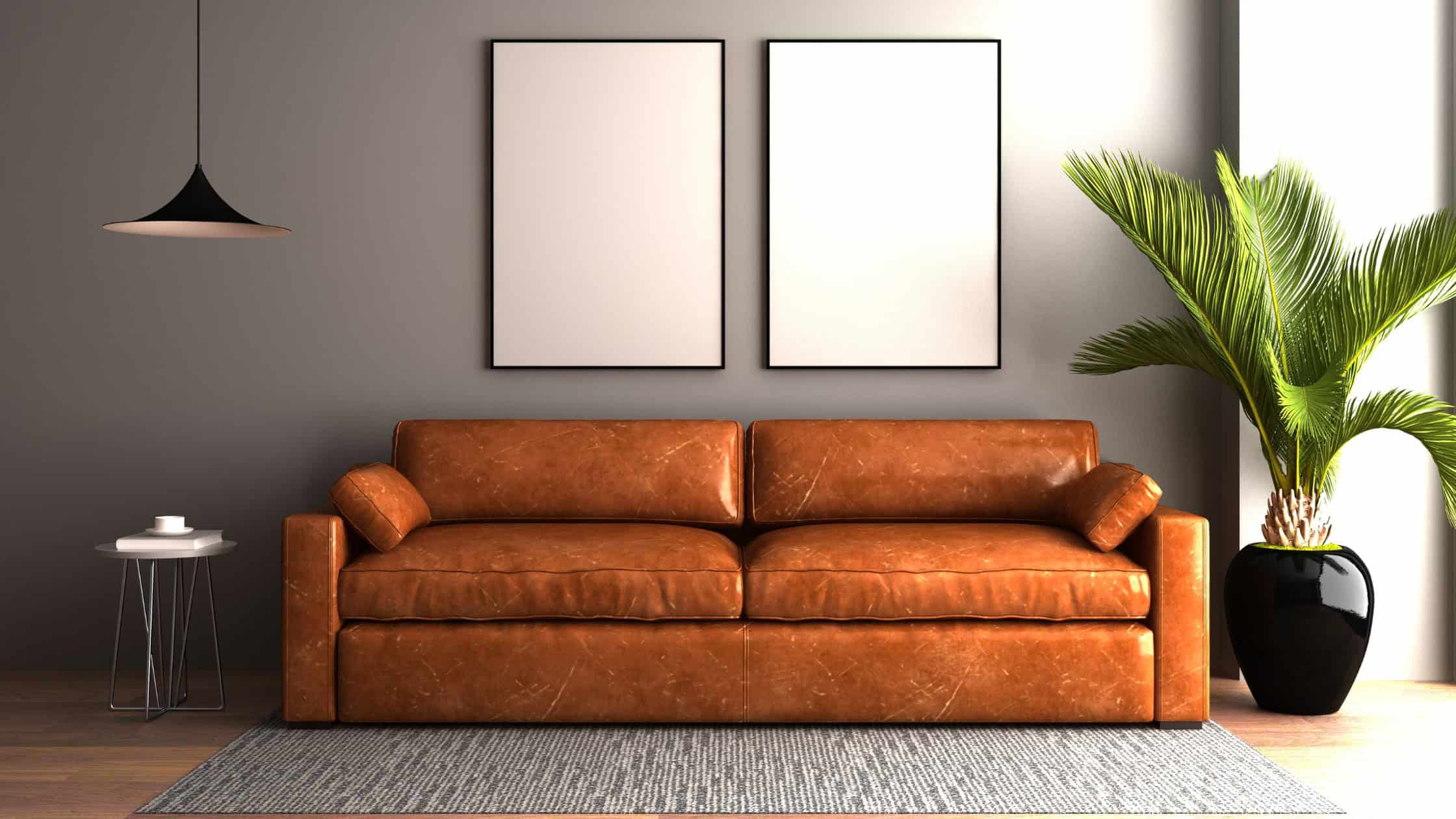
    • Selecting a sofa that’s the wrong scale for your living room is the biggest mistake people make. Keep in mind that a sofa can look entirely different once it leaves the showroom and enters your living room. Color also plays a big part in how big/small the sofa appears. For example, a dark sofa with a floor length skirt can look extremely heavy in a small living room space. You can avoid this mistake by measuring up your living room, the other furniture in the room, and the sofa you have your eye on before you buy. Consider the style of sofa. In a compact living room, consider a sofa on legs and with narrow arms to give the illusion of more space. If you have a large room, you might consider a more substantial sofa, such as one with wide arms that sits close to the ground.

2. Hanging Artwork Too High

    • Artwork is often hung too high to be properly seen or appreciated. Gallery style is the only hanging style that allows for artwork to be hung higher than eye height as it combines artworks of different sizes to create a wall of art. Make sure your artwork is hung at eye height, with the middle of the piece approximately 63 inches from the floor.

3. Making Your TV the Focus of the Room

    • Many homeowners will choose an oversize television that is too big for the room and then center all the furniture around it, forgetting that the living room is for entertaining and conversation too. The television can be an integral part of your living room without being the focus of it. The key is to conceal it as much as possible and create a space that performs dual functions as a watching zone and relaxing/social space. A built-in wall of cabinetry or a ready-made cabinet with shelves are two smart ways to detract attention from a television or conceal it altogether. Use the open sections of the cabinetry to house books, photos, ornaments and other interesting things that will draw the eye from the television and add personality to the room.

4. Rugs That Are Too Small

    • A great rug can be the making of your living room. It grounds your furniture and, in an open-plan space, defines the living area, but the most common mistake people make is purchasing a rug that is too small for the space or the furniture in it. A too-small rug sits separately from the furniture in the room, making the space look disjointed and feel uninviting. You can avoid this by measuring your living room and the main pieces of furniture before shopping. Ideally, the rug you choose should be big enough to allow the key pieces of furniture to sit on top of it. If your living room is not big enough to allow everything to sit fully on your rug, choose a style that is slightly wider than your sofa and allows for the front legs of your sofa and any smaller furniture pieces (such as side tables and stools) to sit on it.

5. Coffee Tables That Are Too Small

    • Just like rugs, it’s a common mistake to purchase a coffee table for your living room that is too small or doesn’t fit with the rest of your furniture. A too-tiny coffee table can also prove a practical challenge. If the coffee table is too small for the sofa or chairs, it will often get positioned far away from them in an effort to create a sense of balance, which makes it hard to reach. Remember this rules of thumb: your coffee table should be between half to one-third of the length of your sofa. Look to position it about 16 to 20 inches from the sofa and armchairs so you can reach it comfortably.

6. Putting All Your Furniture Against One Wall 

    • Pushing all your living room furniture up against the walls is another common styling mistake people make. When the sofa is against one wall, with a pair of armchairs against another, and the coffee table stranded in the middle of the room where nobody can reach it, the result is a dull room that feels a little like the waiting room in a doctor’s surgery. A good solution is to move the furniture deeper in the room and set up conversation zones that will instantly make the room feel cozier and more welcoming. The arrangement that works best will depend on the shape and size of the room. You may decide to put the sofa against a wall, with a pair of armchairs opposite it and a coffee table in between them. Or, if your living room is spacious, you may choose to place the furniture near the middle of the room, with space around it to move about.

7. Bad Lighting

    • With lighting, the problem comes down to either too much or too little light, and not enough options to allow you to use the space for different functions. Look to create a smart, layered lighting scheme in your living room consisting of different light sources, such as a ceiling pendant, table and floor lamps and up or down lights. Setting them on dimmers allows you to alter the lighting levels and mood to suit the occasion. A layered lighting scheme also allows two people to use the space at the same time for different tasks without disturbing each other. For example, one person might be watching television with the lights dimmed, while another person is reading in the corner of the room with a floor light on, There are three types of lighting you’ll want to include: ambient lighting — a gentle wash of light that allows you to move around safely; accent lighting — to highlight special features in the room, such as art; and task lighting — for reading and other tasks where you need to see clearly.

Have you ever made a decorating mistake that you regret? Let me know in the comments!

Until next month!

Resources: Houzz.com

Posted in: Buying A Home, Home Improvement News, Home Maintenance, Portland, Real Estate Tagged: Decor, Decorating, Home Decorating, Home Remodel, Home Tips, Portland, Real Estate, Remodel, Sean Besso, Sean Besso Realty, Summer

Interior Design Trends for 2024

Whether you’re planning a gut renovation or simply looking to complete a budget-friendly home refresh, this list of 2024’s biggest home trends is sure to help!

Peach & Apricot Colors

    • Described as “radiant with warmth and modern elegance”, Pantone’s color of the 2024 “Peach Fuzz” will be popping up in all sorts of different home spaces. Peach and apricot colors can easily be paired with neutrals and naturals, but also looks excellent with greens, purples and blues for a vibrant contrast. Start small with throw blankets, pillows, rugs, etc. or bump it up a notch and paint an accent wall in peach or apricot.

Wallpaper in Unexpected Places

    • Wallpaper has definitely made a comeback! Bring a little fun and surprise to your space by placing wallpaper in unexpected places like coat closets, linen closets, small bars, and half baths. Give your small spaces a little glow up because every space in a home should feel special, even if you don’t see them everyday.

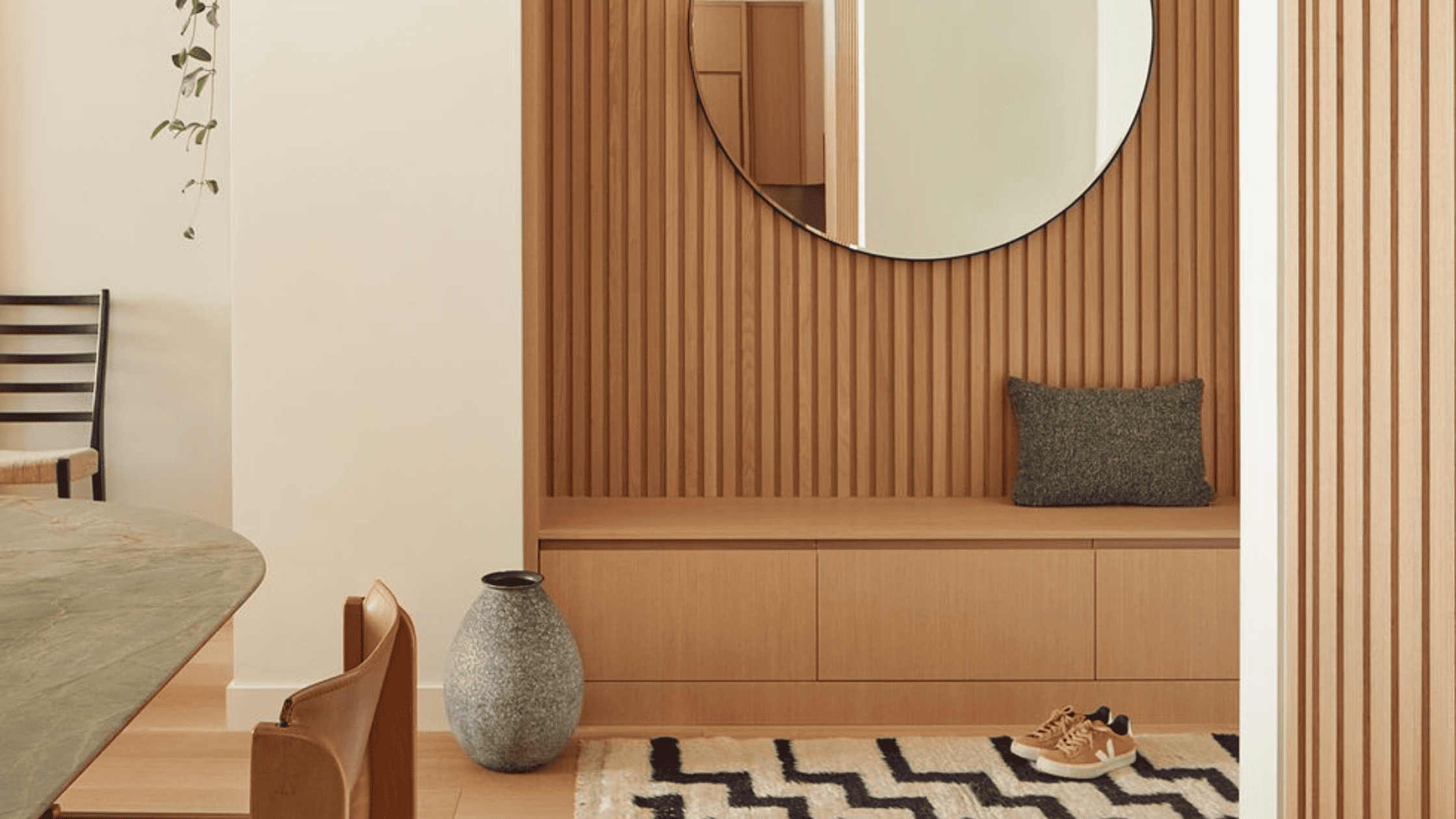
Fluted Details

    • Fluted elements like below bring a distinctive texture and visual interest to your surfaces and finishes. It’s extremely versatile across different design types and adds a certain sophistication that makes the space feel considered.

Metal Finishes

    • Metals can amplify whatever vibe a room is already giving. Bright aluminums and silver are going to make a splash this year after years of gold and black dominating metal hardware and accessories. Adding metals to your home doesn’t always have to be in hardware or accessories though. Try using them in your furniture pieces or light fixtures.

Woodgrain Millwork

    • This year, we’ll see more and more people wanting to expose their original wood millwork. Opt for rich woods like walnut, maple, and mahogany over paint-grade millwork.

Romanticism

    • Unspool your ribbons! Romanticism isn’t just for the 19th century (or the 1980s!). It’s a carefree style that exudes confidence, pinks, reds, florals, lace, and ribbons which can make a space feel sensual and provocative. Try this trend out with floral pillows, botanical textiles, and jewel tones.

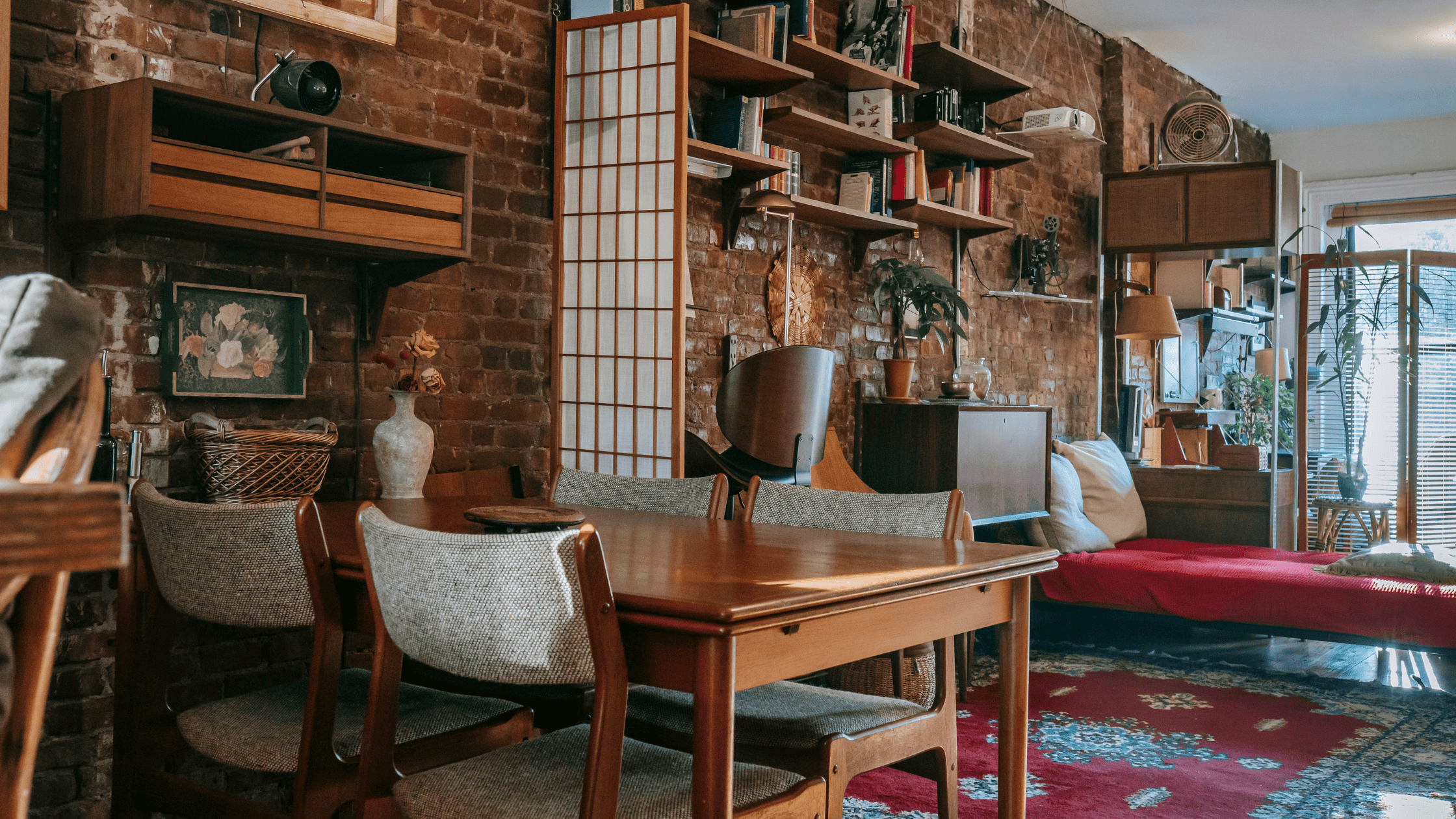
Vintage Furniture

    • I don’t think vintage furniture will ever go out of style. Although investment pieces like vintage furniture may take a toll on the wallet, the quality and longevity you’ll get out of them will far surpass big box store “fast” furniture.

Intimate Dining Areas

    • “In the past decade, there has been a noticeable shift in preferences—many now favor separating the kitchen from the dining room, moving away from the once-popular open concept. This change reflects a growing inclination, reminiscent of today’s popular period dramas, to create more intimate dining experiences for gatherings with family and friends. This often involves blocking direct access to the busy kitchen, immersing guests in beautifully designed dining rooms.” — Rayman Boozer, Apartment 48

Quiet Luxury

    • The idea of quiet luxury is to use innovation and timeless elegance to transfer a space that inspires and elevates everyday living. Sustainable materials, discreetly integrated smart technology and a revival of classic design elements evokes nostalgia while embracing the modern era.

Statement Tiles

    • We’ll see a lot more statement tiles this year, especially in showers. By using a statement or accent tile, you’ll break up any monotony in these mostly plain spaces.

That’s all for now – I hope you all had a wonderful month!

Resources: Good Housekeeping

Posted in: Buying A Home, Home Improvement News, Home Maintenance, Portland, Real Estate Tagged: Home Tips, Home Trends, Interior Design, Portland, Real Estate, Sean Besso

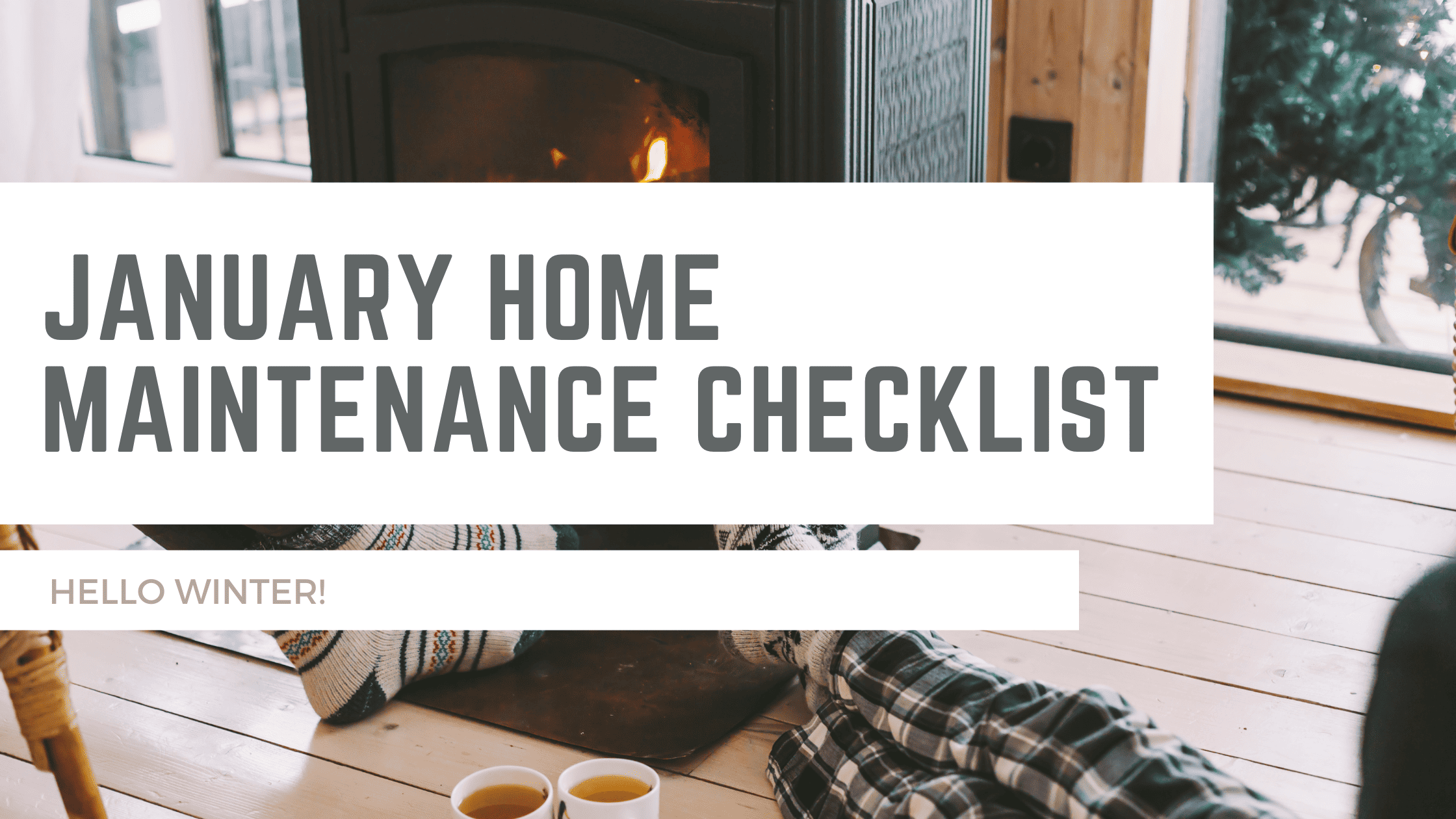
January Home Maintenance Checklist

Make a fresh start in the new year with a healthy pantry makeover, organized files and a decluttered home. Of course, once the energy of those new year’s resolutions begins to fizzle, you may be in need of a midwinter boost — when that time comes, try cozy accents and a few light-enhancing tips to keep the winter blues at bay.

1. Refresh Your Kitchen and Pantry for the New Year

    • Have you made a new year’s resolution to eat healthier foods or eat out less and prepare more meals at home? Kick things off by thoroughly cleaning your kitchen and pantry. Put your blender or juicer in a prominent spot on the counter to make it easier to whip up healthy juices and smoothies, and place fresh produce front and center.

2. Take Down and Store Holiday Decorations

    • Pack fragile ornaments with care, and wind tree lights around a piece of cardboard to avoid tangling. If there were any ornaments or decorations you didn’t end up using this year, consider giving them away, and save the space for things you really love.

3. Organize Your Papers and Digital Documents

    • It’s like going to the dentist: not exactly a pleasant task, but you know you’ll feel good when it’s done. So brew yourself a cup of strong coffee, put on some energetic music and start sorting, shredding and filing. And don’t forget the computer — back up everything (put an automatic backup system in place if you don’t already have one), and begin sorting your digital documents and records using a simple filing system.

4. Bump Up Coziness

    • Avoid the post-holiday slump by adding a few super soft and cozy accents around the house: think velvet cushions, fluffy faux-fur throws, knitted poufs, candles, fresh flowers or a new teapot. And while you may be taking down most of your holiday decorations in the early part of January, consider leaving up a few strands of white twinkle lights and swags of fresh greenery a bit longer — we could all use the extra cheer at this time of year!

5. Boost Light

    • Getting enough light can make a huge difference in how we feel in winter. Do what you can to boost light by pulling open window coverings during the day, adding lamps and candles, and lighting a fire in the fireplace or wood stove if you have one. Or consider decorating with white for a light, bright look — in the Scandinavian countries, white interiors are common, thanks to their ability to amplify light and cheer up homes during those long, cold northern winters.

6. Keep Your Heating System Running Smoothly

    • If you notice any strange new noises coming from your heaters, or if one area of the house suddenly seems colder, have the system looked at right away, as these can be signs something is wrong. Make sure to change the air filters in your furnace regularly. If you heat with oil, have your furnace or boiler cleaned every year. If you heat with gas, you can have it done every three years or so. For high-efficiency heating systems, make sure that PVC vent pipes are cleared of snow and debris.

7. Clear Home and Wardrobe Clutter

    • Post-holidays is a good time for decluttering, since there’s a good chance you accumulated some new things over the previous few weeks. Grab a cardboard box and fill it with clothes, books and other items you no longer love or use. When it’s full, take it to a charitable donation center.

8. Plan Decorating and Remodeling Projects for the Year Ahead

    • Thinking of remodeling the kitchen, adding a deck, putting fresh tile in the bath or painting your bedroom? Use your favorite resources to save inspiring ideas and begin contacting pros to see your project through in the new year.

9. Check Your Emergency Supplies

    • With winter storms comes more potential for power outages — be prepared with fresh bottled water, shelf-stable foods, flashlights, batteries, first-aid supplies and a hand-crank radio and smartphone charger.

10. Check the Exterior and Landscape After Winter Storms

    • Keep an eye out for ice dams on the roof, downed tree limbs and storm damage. Keep entrances and paths cleared of snow and ice, and be sure to arrange for snow removal around your home if you plan to be away this month.

I hope you all had a wonderful holiday season! Cheers to 2024! What’s on your home to-do list this January?

Resources: Houzz.com

Posted in: Buying A Home, Home Improvement News, Home Maintenance, Portland, Real Estate Tagged: Checklist, Home Maintenance, Home Maintenance Checklist, Home Tips, January, January Home Maintenance Checklist, Portland, Real Estate, Sean Besso, Winter, Winter Home Maintenance Checklist

Your Post-Thanksgiving Game Plan

Thanksgiving is over and I hope you all had a wonderful day surrounded by your loved ones. Once you’ve recovered from the big day, these following steps will make your next holiday event a little bit easier.

1. Give the Kitchen a Thorough Scrubbing

    • This is the toughest part. In addition to doing the dishes and scouring the pots and pans, you’ll want to give the surfaces of your kitchen and the inside of your appliances a good cleaning to get rid of the spattered grease, spilled flour and stuck-on food. Once you’re done, reward yourself with another rest.

2. Organize and Inventory Your Serveware

    • Keep a notepad and donation bin handy. As you’re putting away your platters, bowls, pitchers, vases and other pieces, take stock: Was anything missing? Make a note to get it. While putting things away, pay special attention to everything. Are there pieces lurking on the bottom of the cabinet that you never use? If you didn’t use those items at your big Thanksgiving dinner, chances are you never will, so consider donating them.

3. Clean the Linens

    • Launder your tablecloths, napkins and other linens. During this busy time of the year, you deserve to drop them off at the dry cleaner if you wish — no guilt involved.

4. Restock

    • At the same time, take inventory with future holiday meals in mind. Use this chance to get your herbs, spices and staples organized for the rest of your holiday cooking, and make a list of things you need to replenish.

5. Stash Rarely Used Items Smarter

    • If you have Thanksgiving-specific equipment and decorations you use only at this time of year, find somewhere besides the kitchen to keep them together and organized. Valuable kitchen real estate is better put to use for everyday items.

6. Prep For Your Next Overnight Guests

    • Clean up the guest room, wash the bedding and towels, and think about ways to make welcoming another round of overnight visitors easier.

7. Clean Out the Pantry, Cupboards, and Refrigerator

    • Once the guests and leftovers are gone, take this opportunity to clean out the refrigerator and pantry. If you find canned or boxed food that hasn’t expired and you know you won’t use, place it in the donation bin — it’s a great time of year to give.

8. Refill Salt and Pepper Shakers

    • It seems like a small thing, but if you have to do it when all your burners are fired up for your next feast, it’s going to be one more detail stressing you out.

9. PUT UP YOUR FEET!

    • Congratulations! It wasn’t easy, but you’ve cut down the prep time for your next hosting gig. Your hard work means you’ll be organized and ready.

I hope you all have a wonderful rest of your November! Until next month!

Resources: Houzz.com

Posted in: Buying A Home, Home Improvement News, Home Maintenance, Portland, Real Estate Tagged: Holidays, Home Tips, Portland, Real Estate, Sean Besso, Sean Besso Realty

Posts navigation

  • « Previous Page
  • 1
  • 2
  • 3
  • 4
  • 5
  • Next Page »

Quick Search

About Sean Besso

Whether you are an experienced investor or a first time buyer, I can help you in finding the property of your dreams. Feel free to browse through my profile and please don't hesitate to reach out for any of your real estate needs! Meet Sean...

Client Reviews

Impressed with his social, professional and articulate manners. Very responsive to requests. Easily explains situations and information in a format that can be quickly understood and processed by individuals outside of the real estate profession. Enjoyed the experience and learned so much.
- Dan Shoop


More Testimonials

Get in Touch

Sean Besso Broker
Licensed in the State of Oregon
2207 NE Broadway Ste. 100
Portland, OR 97232
Call Us: (503) 444-9008
© 2026 · Sean Besso Broker

Privacy

Privacy Policy | Sitemap | DMCA

Agent Reputation | Real Estate Website Design

Marketing | Order Order
Log in