Add an Appliance Garage
-
- Small appliances like toasters, coffee makers and blenders can quickly take over your countertops. Tucking them away in a cabinet helps with clutter, but it’s not very convenient. Enter the appliance garage! A cabinetmaker can modify your existing cabinets to create a dedicated spot with pocket, tambour or flip-up doors — or add a shallow cabinet right on the countertop that blends in with your current finish. Add an outlet inside, and you’ve got a neat, out-of-sight home for your appliances that keeps your kitchen looking streamlined while everything stays within easy reach.
Upgrade Your Appliances
-
- Whether you go bold with standout appliances or keep things sleek with panel-ready models, swapping out dated refrigerators, ranges, hoods and dishwashers gives your kitchen an instant refresh. Today’s appliances are also more energy-efficient and packed with smart features, saving money and making everyday cooking easier. Sticking with the same sizes is usually simplest, but a skilled cabinetmaker can often adjust surrounding cabinetry to fit slight differences.
Change the Countertop
-
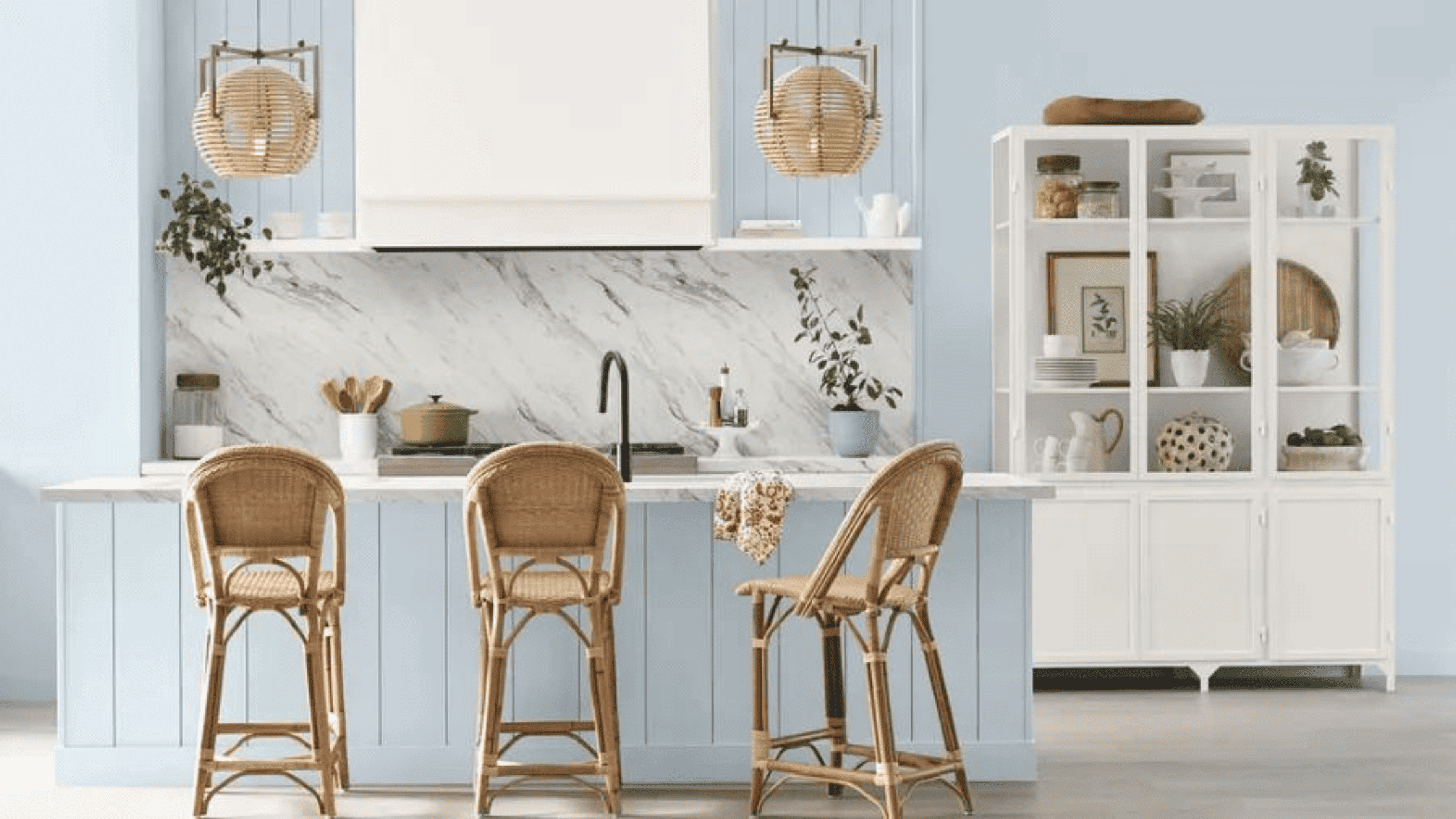
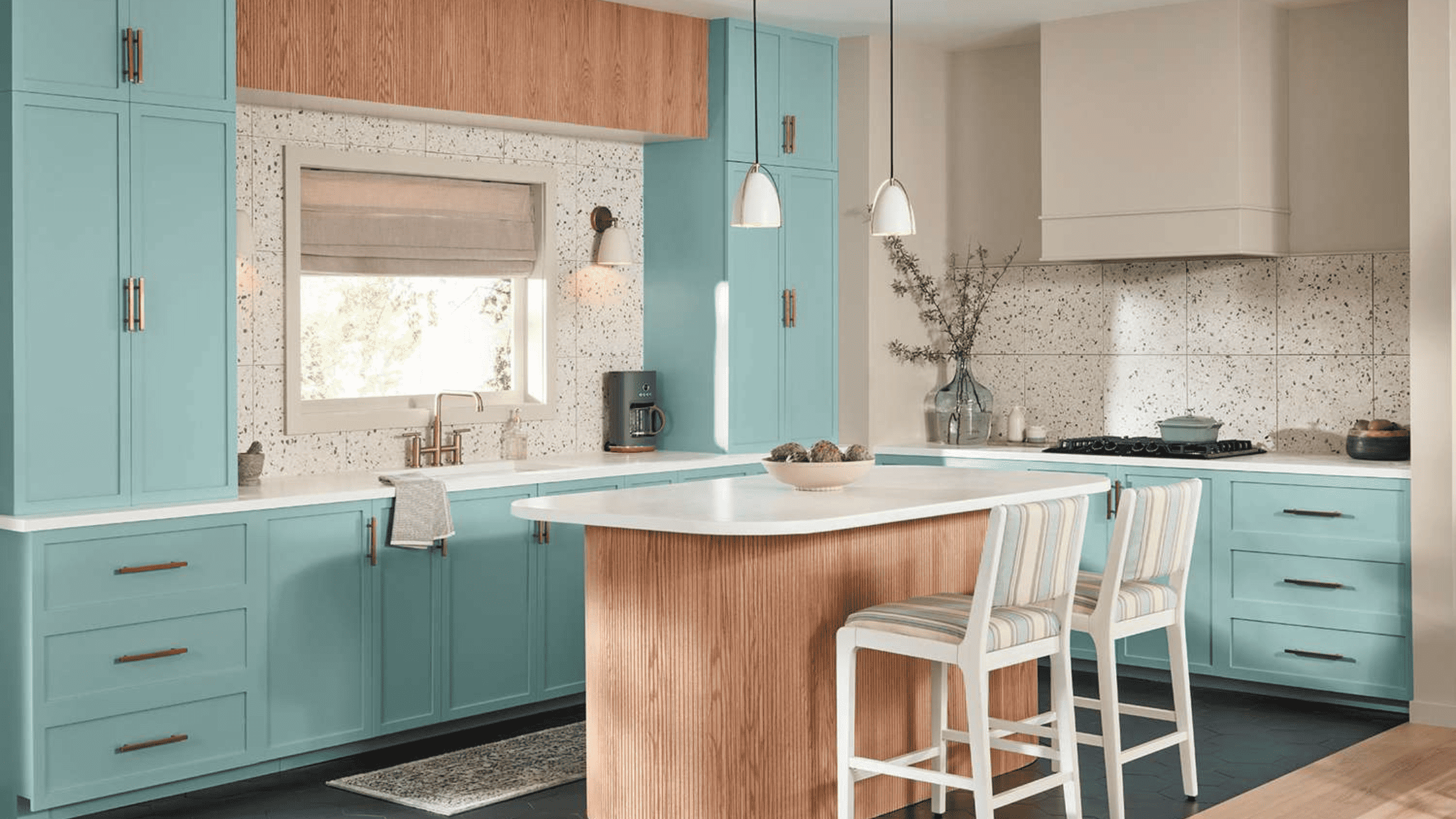
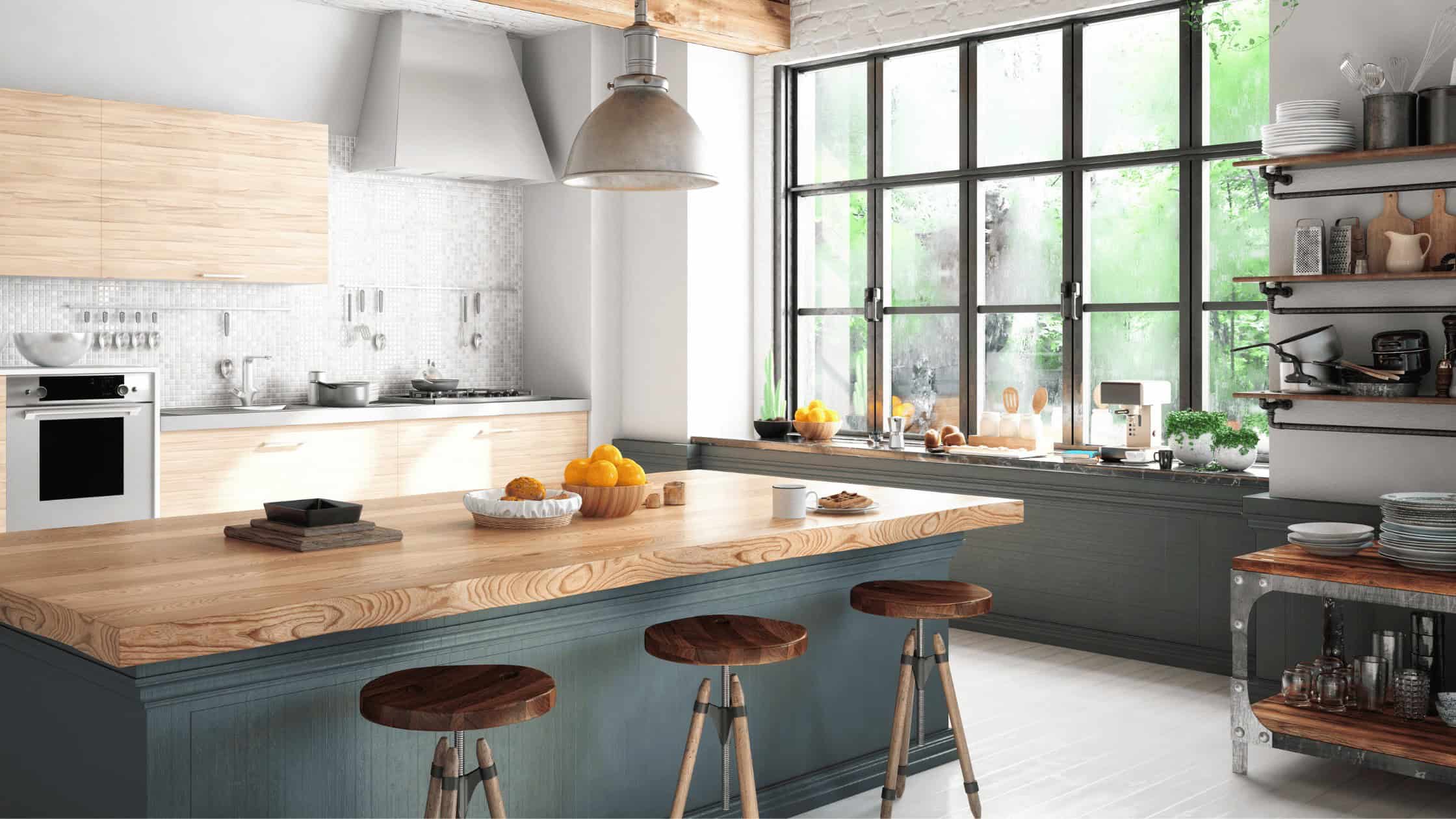
- Because countertops take up so much visual space — especially on a big island — they often set the tone for the whole kitchen. Swapping out an outdated or worn surface can instantly refresh the room and make a huge impact. Upgrading from laminate or tile to a more durable, easy-care material can boost function too. While it’s an investment (and may affect your backsplash), even changing just the island top to a contrasting, complementary material can give your kitchen a stylish new look.
Replace the Backsplash
-
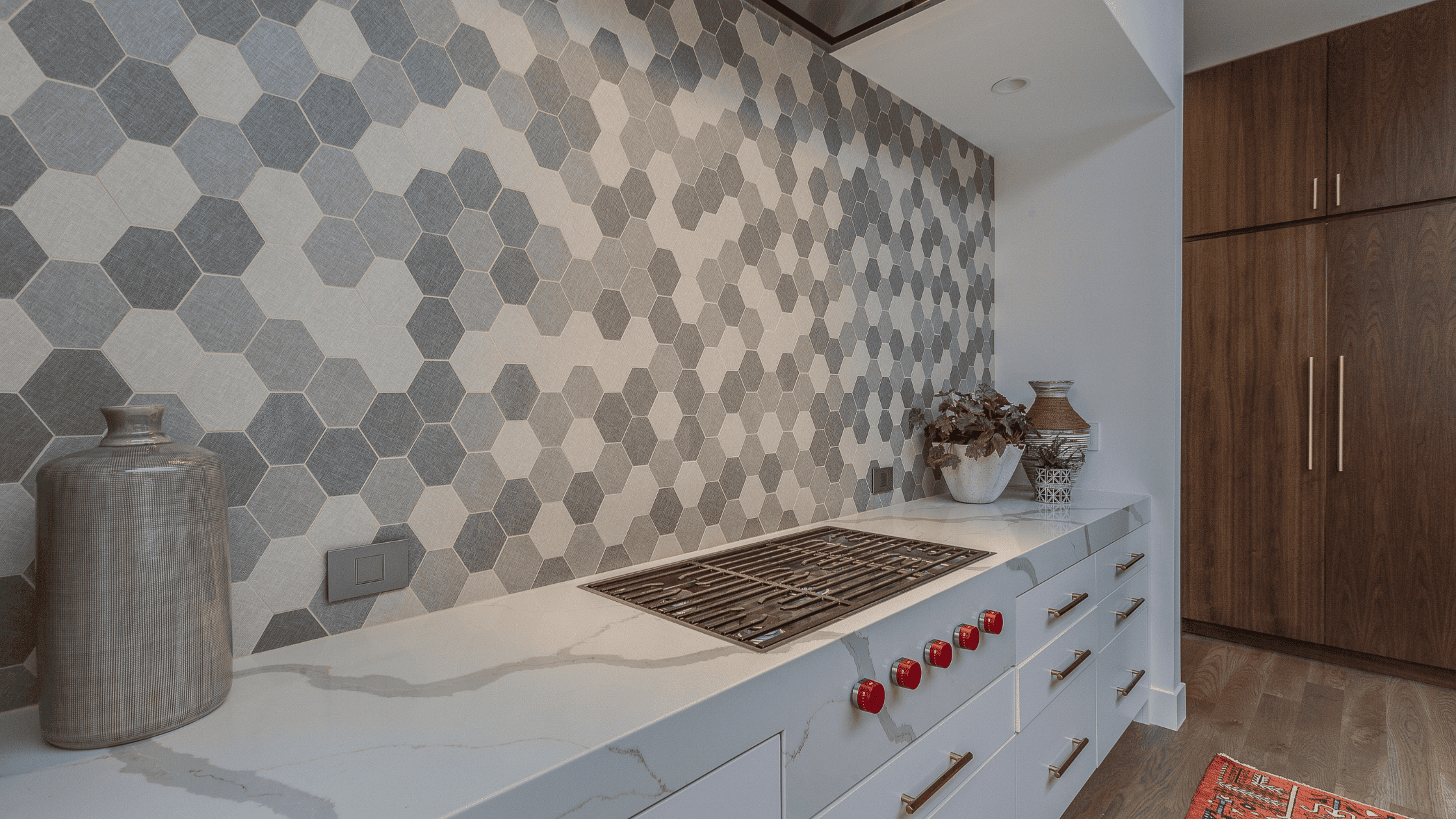
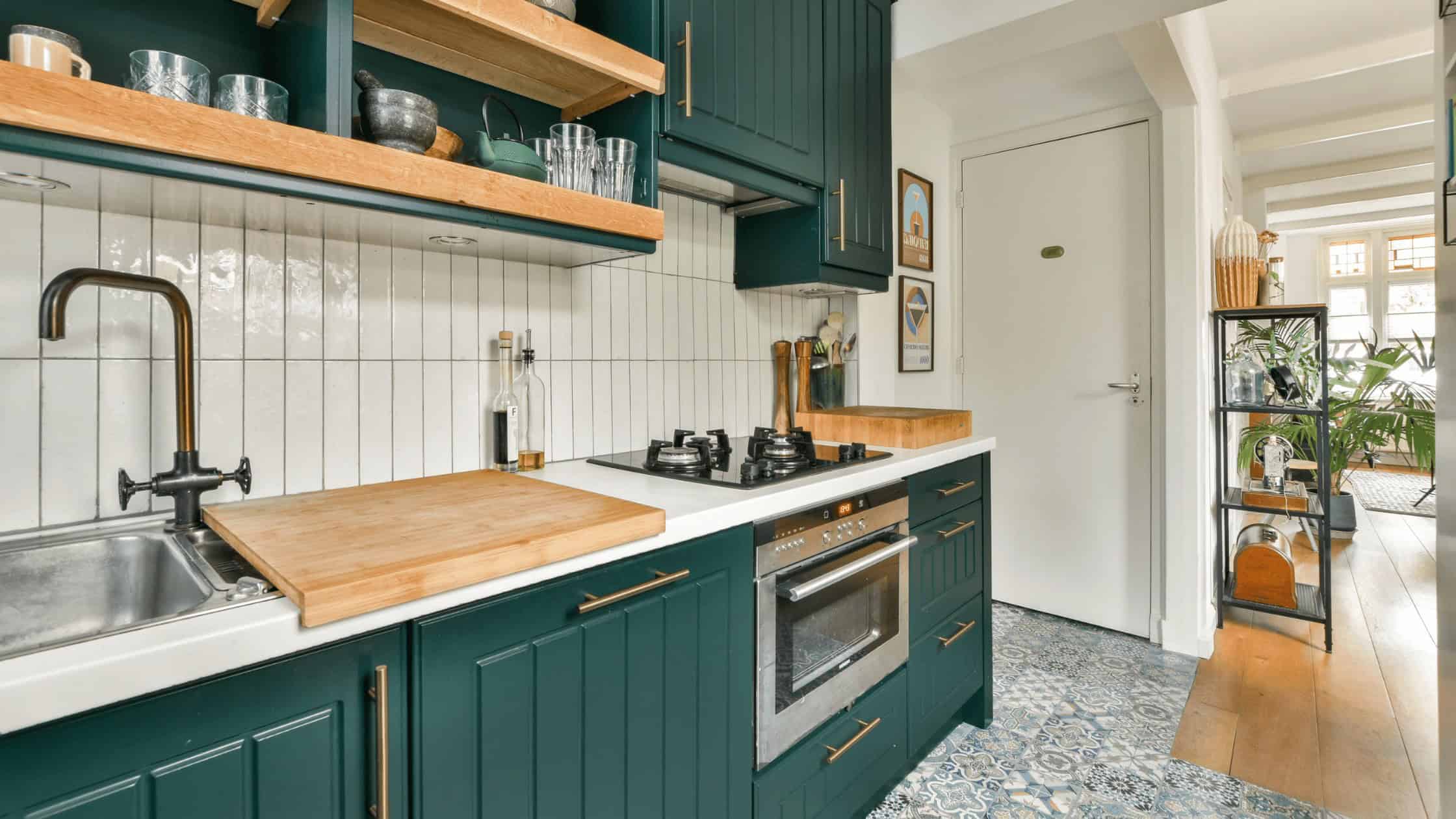
- Swapping out — or adding — a backsplash is a simple upgrade that can totally transform your kitchen without touching the cabinets or countertops. It’s a great chance to play with bold color, fun shapes or eye-catching patterns to give a neutral space some personality. Prefer a calmer vibe? A more subtle tile can let other features shine. If a full redo feels like too much, highlight just one spot — like behind the range — for a standout focal point. Or, if you’re updating your counters too, carry the same material up the wall for a sleek, seamless look.
Give Your Existing Cabinetry a Make-Over
-
-
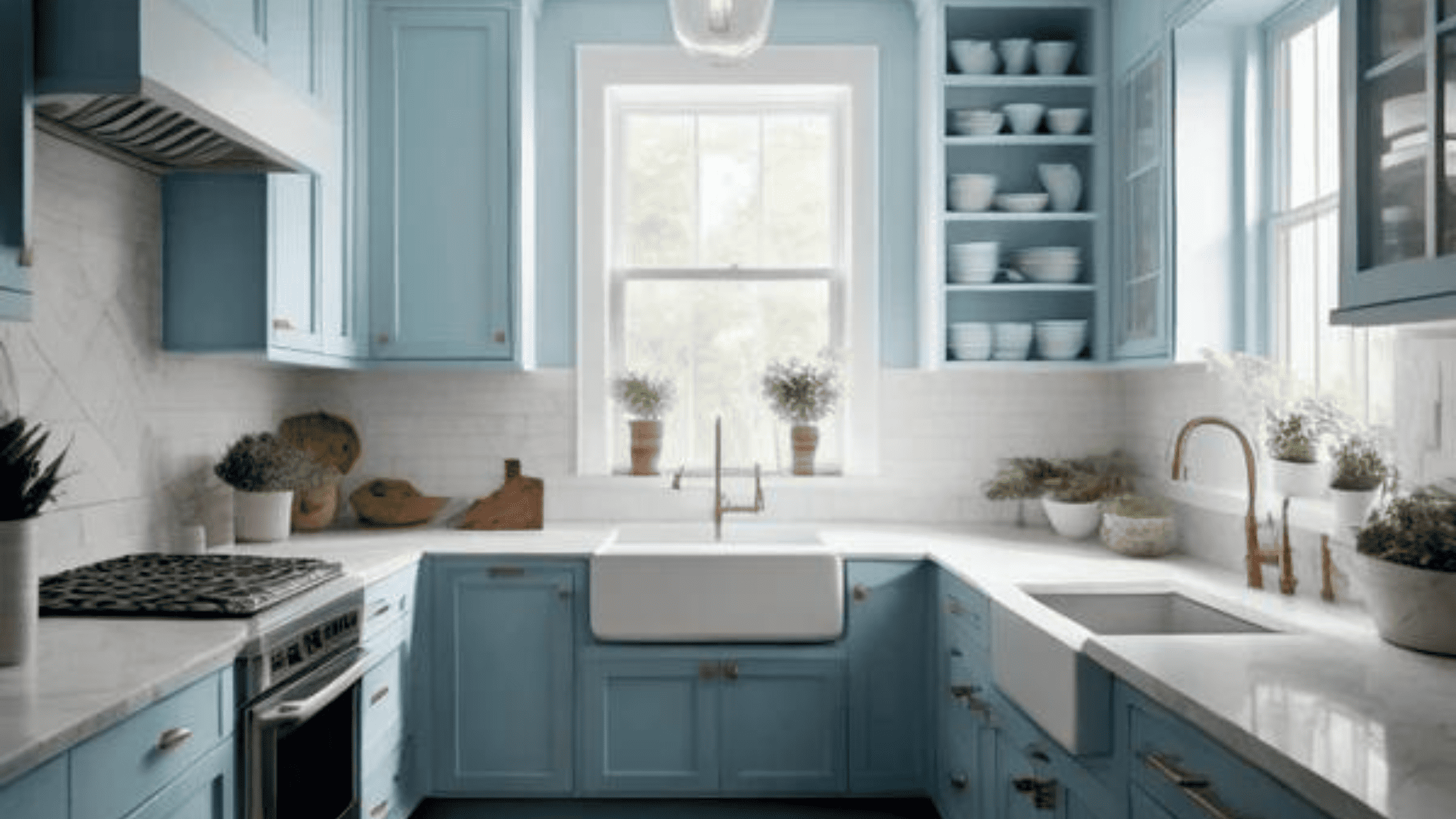
If your kitchen layout works and your cabinets are in good shape, a professional paint or stain job can completely refresh the space. Not loving the door style? Refacing is a budget-friendly way to get a whole new look without a full replacement. Pros swap out doors and drawer fronts, veneer the cabinet boxes, and can update hinges and hardware at the same time. It’s also a great moment to boost storage or style — add cabinets to reach the ceiling, or switch a few solid doors to glass or metal mesh for a lighter, display-ready feel. Big impact, far less hassle.
-
Replace Your Flooring
-
-
Kitchen floors take a beating, and over time they can look worn, uneven or just outdated. Replacing them is a great way to freshen up the whole space, boost safety and better connect your kitchen to the rest of your home. If your subfloor is in good shape, floating or click-lock options — like laminate or engineered wood — can often go right over the existing floor for an easier install. Want a seamless look with tile or solid wood, especially in an open-plan space? Removing the old flooring may be worth it for that clean, cohesive finish.
-
Find Prep and Dining Space
-
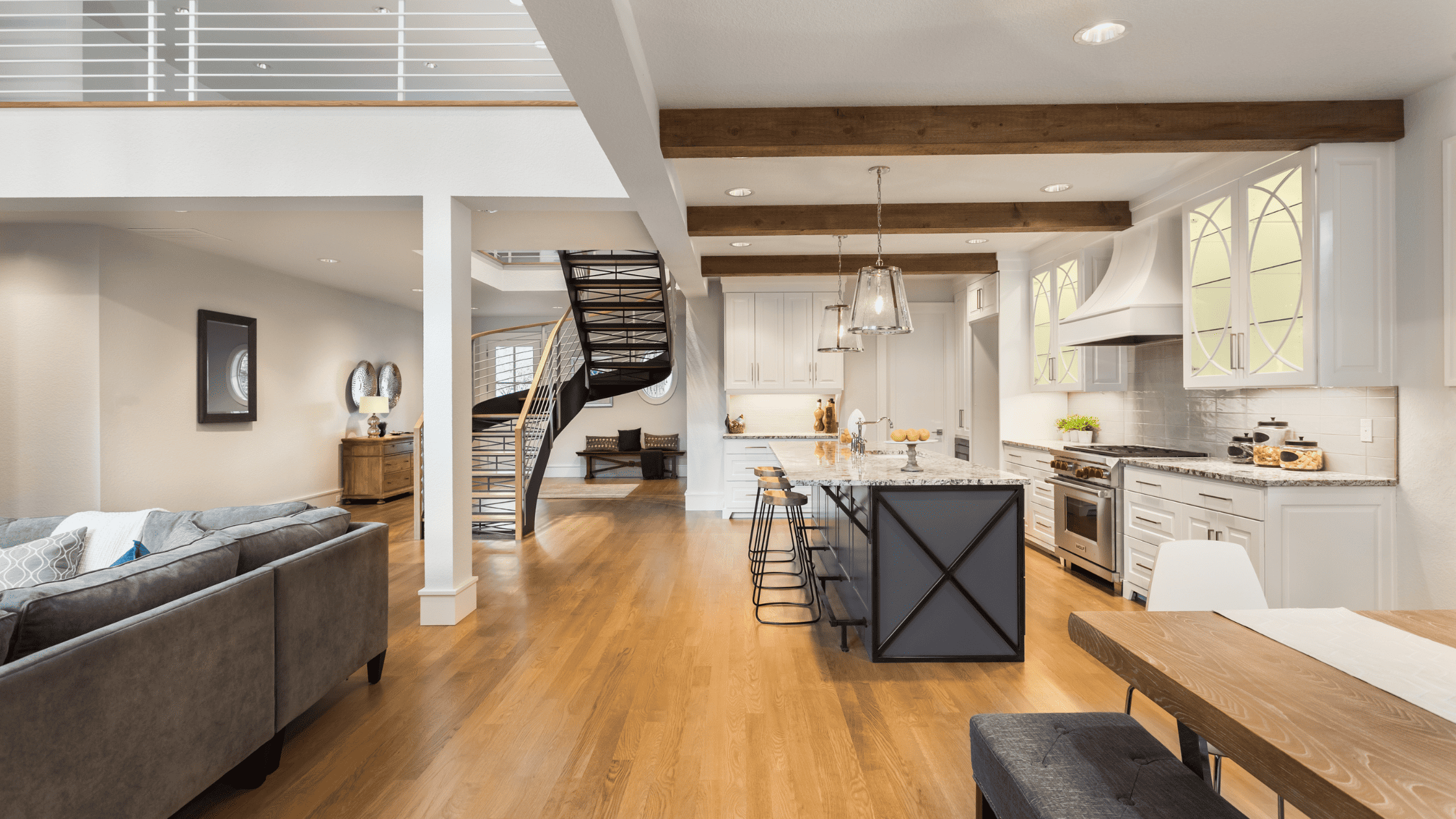
- Adding an island or eat-in spot is a top priority for many homeowners. Even in smaller kitchens, a designer can often squeeze in a narrow prep island with a stool or two, keeping plenty of clearance and avoiding traffic jams — all without changing the room’s footprint.
Build a Beverage Station
-
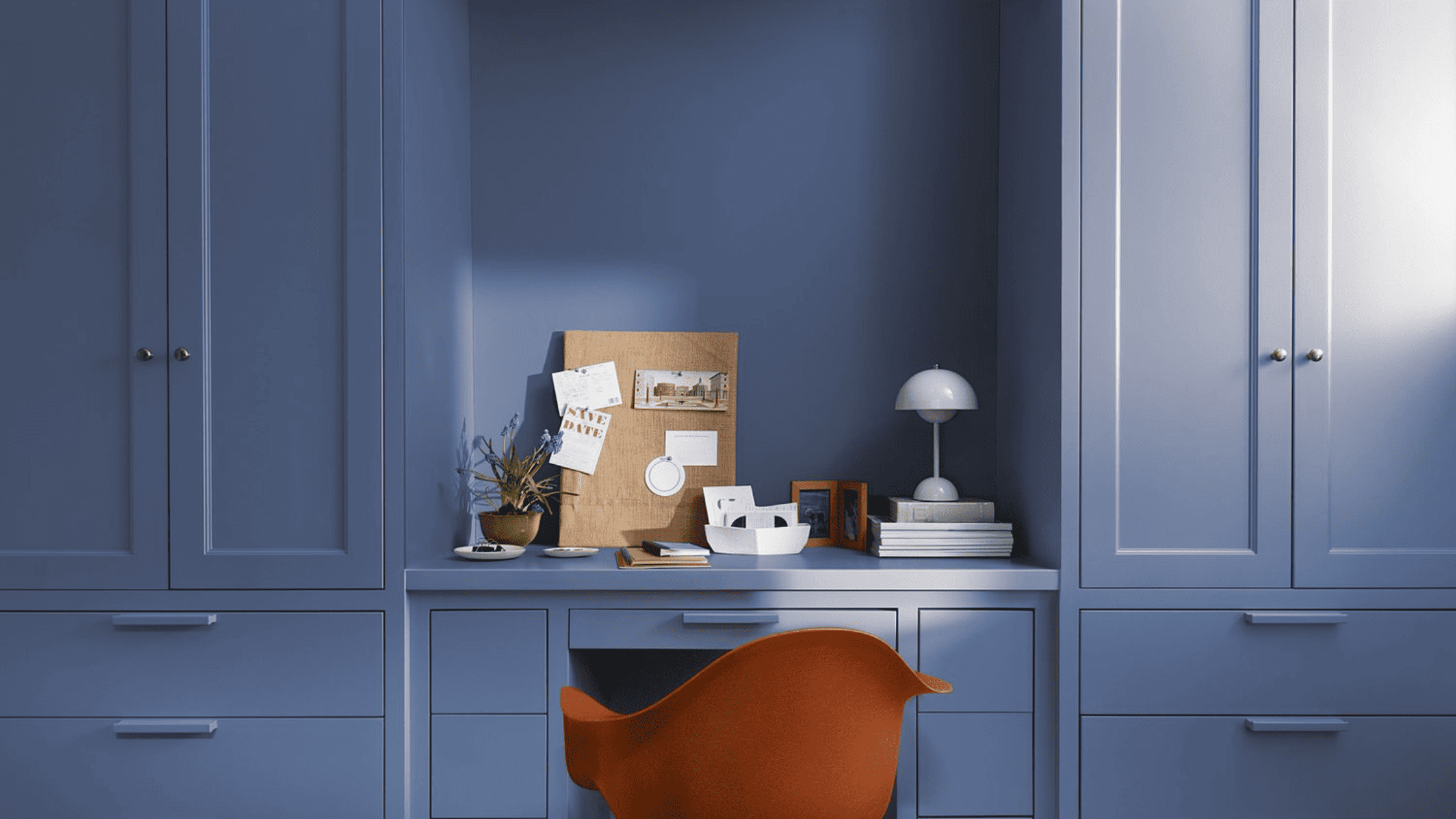
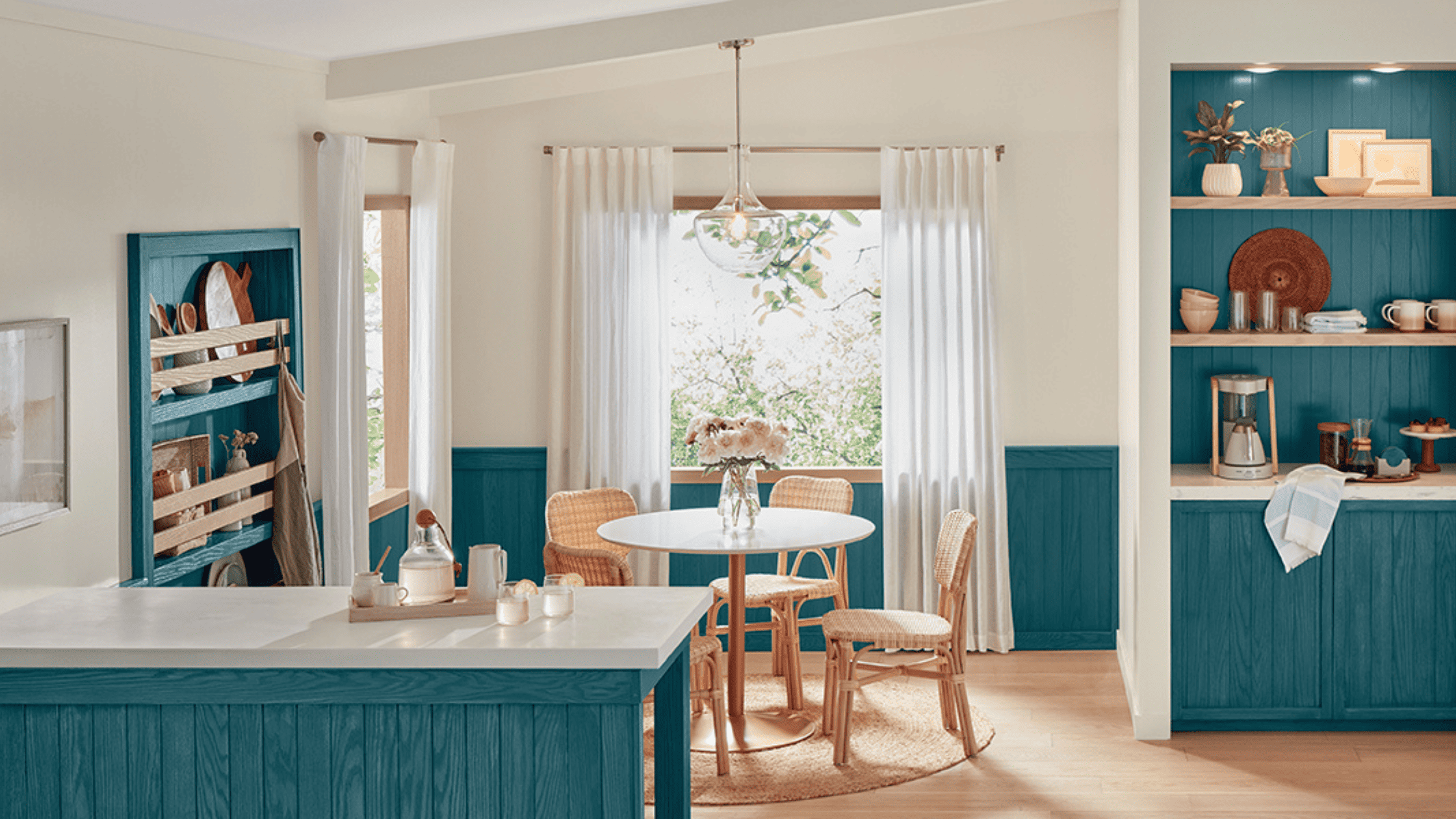
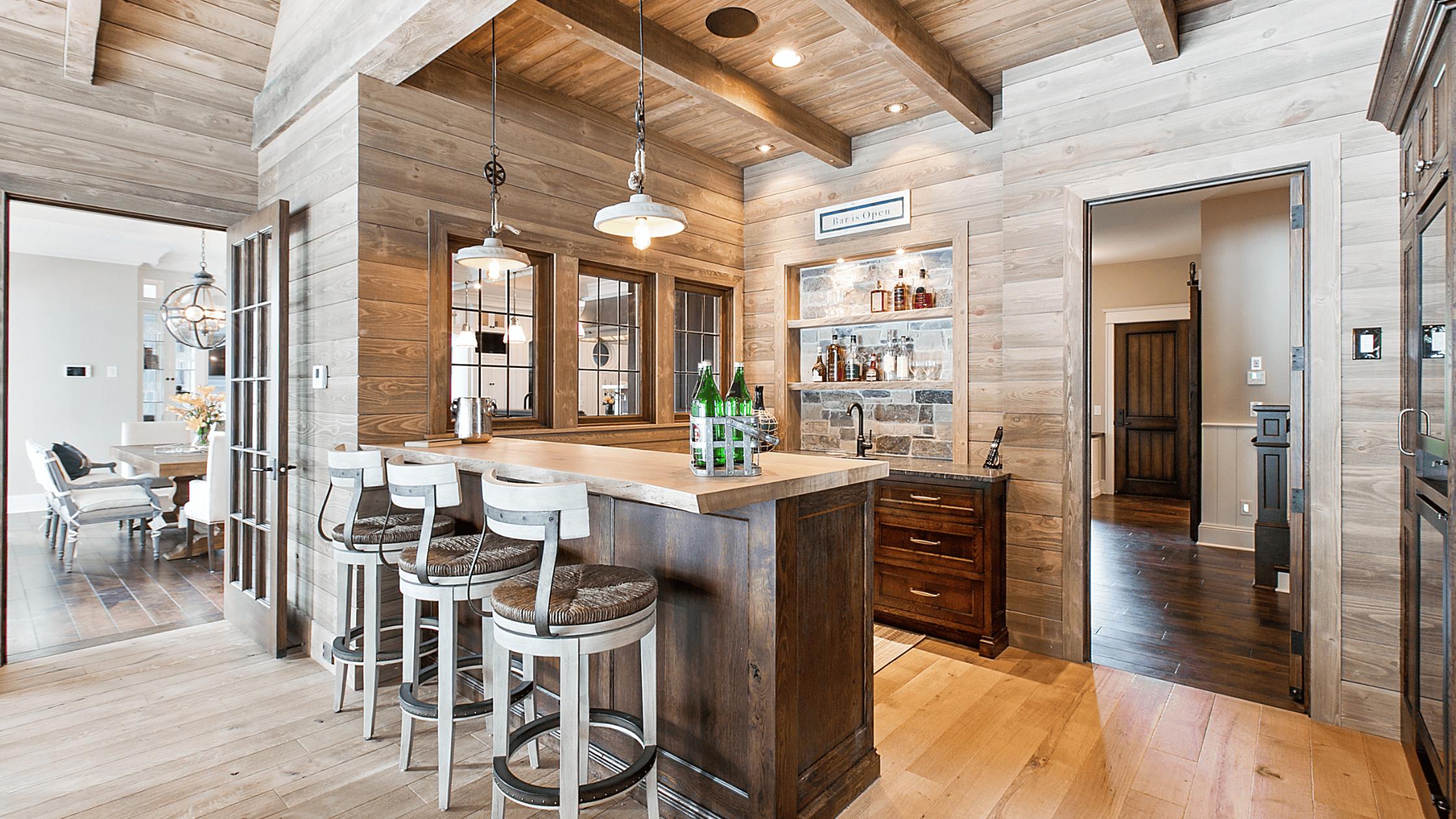
- Dreaming of a stylish bar or coffee station? Even if your older kitchen didn’t come with one, you can often create it from unused space — like that old built-in desk that’s been collecting clutter for years. A remodeling pro can help you turn it into a beverage hub with an outlet, durable countertop and smart storage for glasses and supplies. Want to level it up? Add a sink, mini-fridge, wine chiller or even a built-in espresso machine. Just be sure to check local building codes and work with licensed pros before you start.
Maximize Your Interior Storage
-
- If storage is your main frustration, you might not need more cabinets — just smarter organization. Simple add-ons like drawer dividers and pullouts can help, but a customized system designed around your space and cooking style can make a world of difference. From taming deep drawers to conquering that tricky corner cabinet, the right setup keeps everything easy to find and perfectly suited to your needs.
Don’t Forget Your Pet!
-
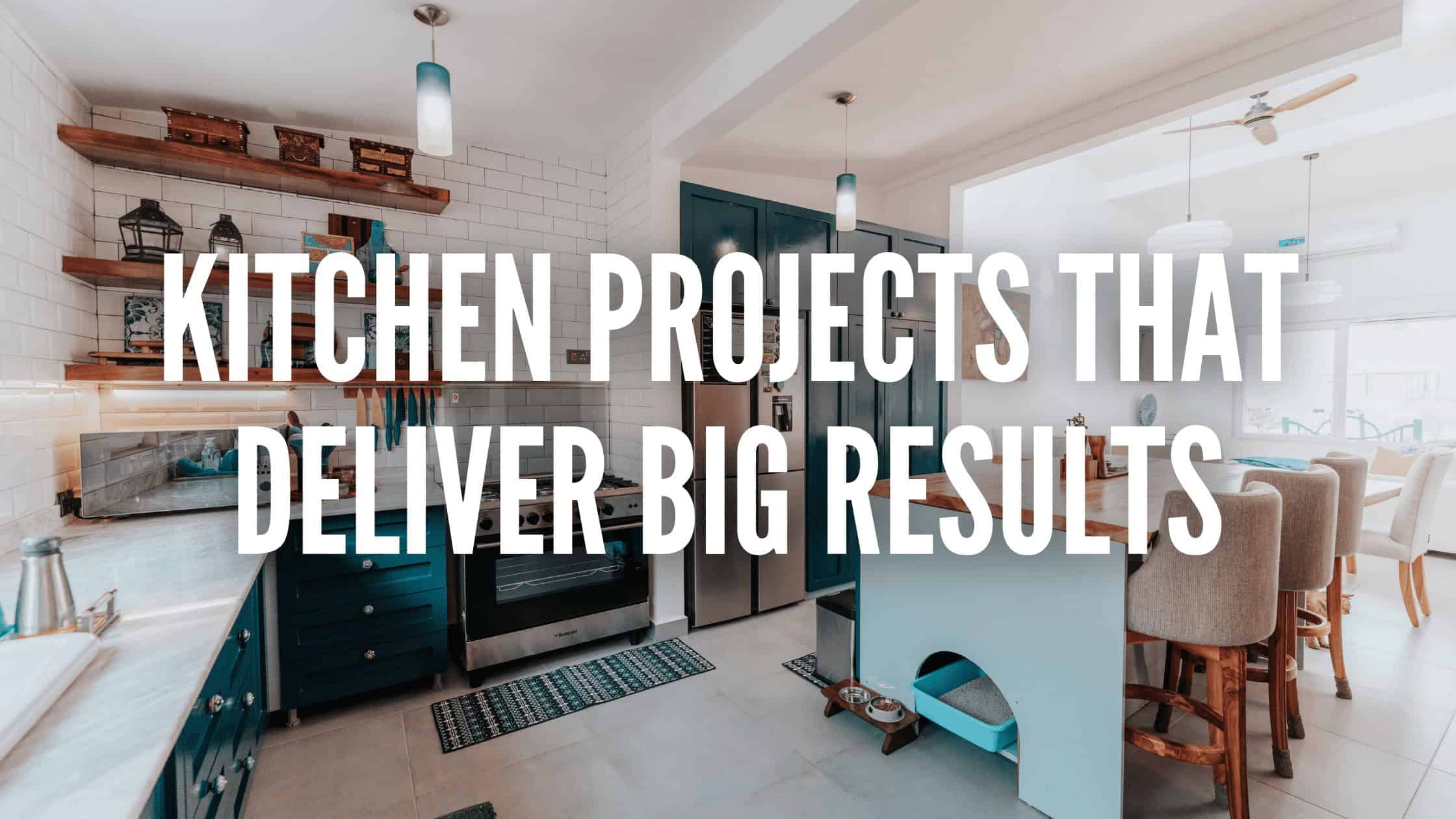
- In a recent survey, more than 1 in 5 renovating pet owners added pet-friendly features to their remodel — and it’s easy to see why! If you’ve got a furry family member, consider a built-in feeding station at the end of an island or cabinet run, even with a handy pot filler if you’d like. Add a pullout or tilt-out bin nearby for food storage, and you’ve got a smart, stylish upgrade that keeps both you and your pet happy.
I hope you all had a wonderful February. Until next month!
Source: houzz.com